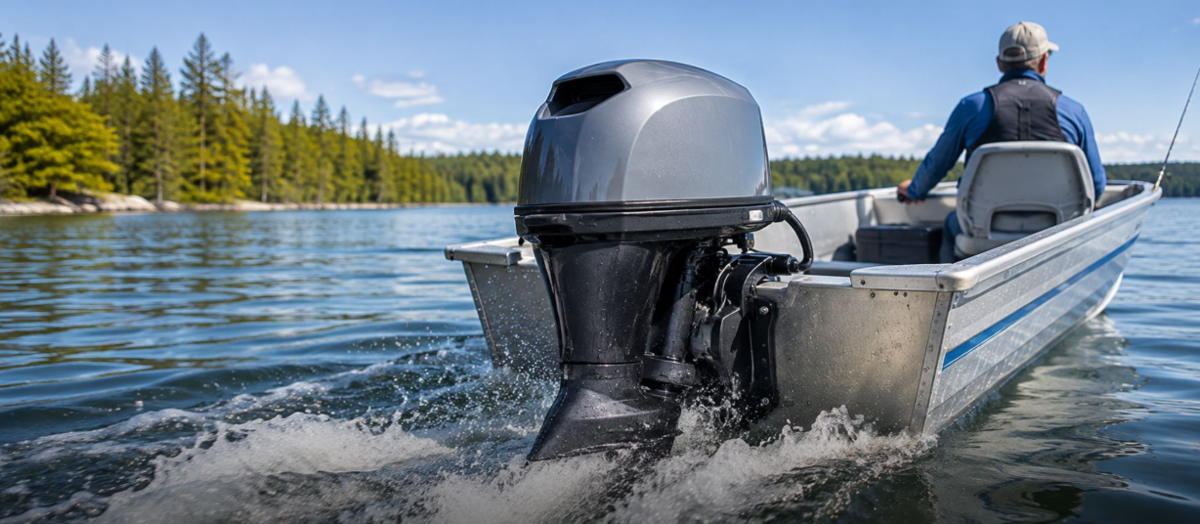

Buying a boat is exciting. Buying the wrong boat is expensive. At Boatzon, we help buyers across Florida, Texas, the Carolinas, and beyond shop, finance, and protect their boats in one place. One step we always encourage is a proper sea trial.
This sea trial checklist walks you through what to inspect at the dock, what to test on the water, and what to check once you're back at the slip.
Think of a sea trial as a test drive with higher stakes. A car that stalls leaves you on the shoulder. A boat that fails can leave you drifting miles offshore. A structured checklist turns a fun ride into real evidence about the boat you're about to own.
Key Takeaways
- Make your sea trial a condition of your purchase offer, not a joyride before negotiations.
- Plan for 1–3 hours on the water for most boats under 40 feet.
- Inspect the boat cold, before the engines are warmed up.
- Pair your sea trial with a haul-out and a professional marine survey.
- A seller who refuses any sea trial or mechanic inspection is a serious red flag.
- Bring a printed sea trial checklist template so you test everything consistently.
Why a Sea Trial Matters: What the Data Shows
Listings tell you what the seller wants you to know. A sea trial shows you what the boat does under load. Government data backs up why that matters.
Mechanical problems aren’t rare footnotes. According to the U.S. Coast Guard’s 2024 Recreational Boating Statistics, machinery failure ranked among the top five primary contributing factors in boating incidents, alongside operator inattention, improper lookout, operator inexperience, and navigation rules violations. A thorough trial is your first line of defense against inheriting a machinery problem.
| Statistic | Figure | Source |
| U.S. boating incidents (2024) | 3,887 incidents, 556 deaths, 2,170 injuries, about $88 million in property damage | U.S. Coast Guard |
| U.S. registered recreational vessels (2024) | 11,674,073, up 1.1% from the prior year | National Safe Boating Council |
| Florida registered vessels (2024) | 1,030,053, with close to 1 million more nonregistered active-use vessels estimated | Florida FWC |
| Florida reportable accidents | 694 in 2025, up from 685 in 2024 and 659 in 2023 | Florida FWC via WUWF |
| Florida boating fatalities (2024) | 81, which was 22 more than the previous year | Florida FWC via WPTV |
Experience matters too. Where instruction status was known, 69% of U.S. boating deaths happened on boats whose operator never received boating safety instruction. A sea trial is also your chance to learn how a boat behaves before you’re alone at the helm.
Real buyers learn this the hard way. On Reddit’s r/boating, one buyer skipped the trial on a $6,000 boat. After purchase, he found an uncapped drain from a removed bait tank. The boat nearly sank at the dock.
Make the Sea Trial Part of Your Offer
Timing is something many first-time buyers miss. A sea trial usually happens after you agree on price. Your written offer should be conditional on a satisfactory sea trial and survey.
If undisclosed problems appear, you can renegotiate or walk away. If everything checks out, you close with confidence. Many buyers line up boat financing and a boat insurance quote before the trial. That way, a clean result lets you move fast in competitive markets like Miami, Tampa, or Houston.
Before You Leave the Dock: The Pre-Trial Inspection
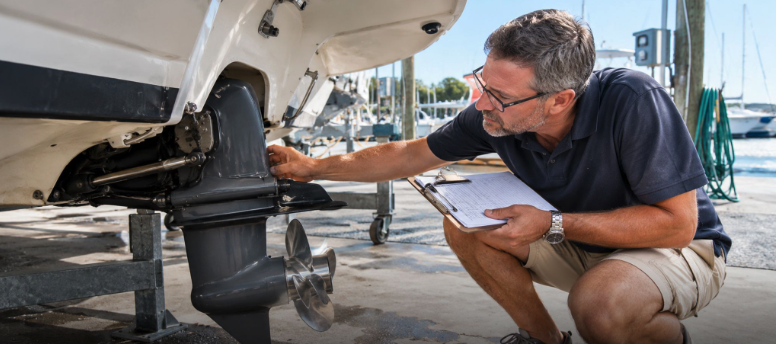
Your boat sea trial checklist starts before anyone turns a key. Ask the seller not to run the engines before you arrive. A cold start reveals far more than a warmed-up one.
Walk the boat slowly. Look for cracks, blisters, or stress fractures, especially around the transom and through-hull fittings. Step firmly on the deck. Soft spots can signal water intrusion or rotted coring.
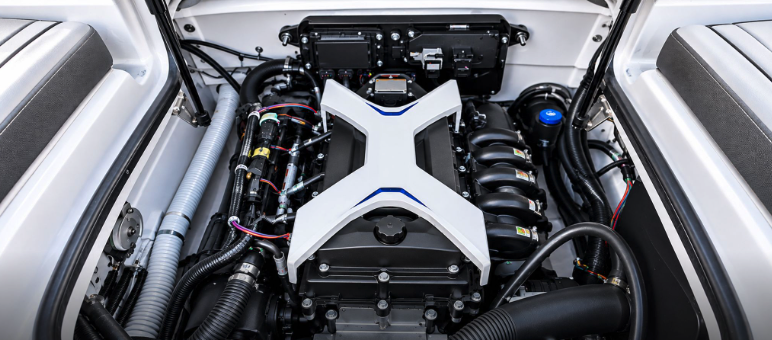
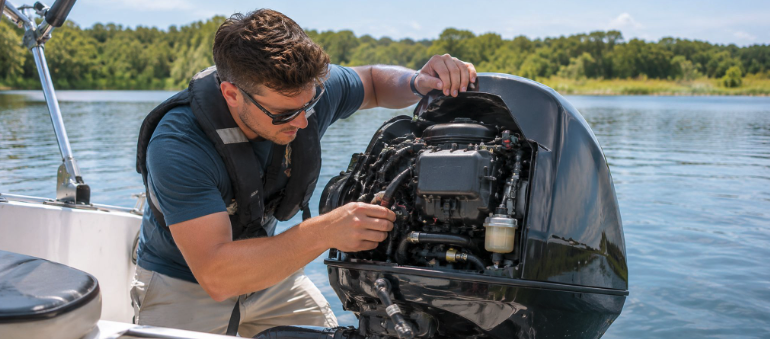
Open hatches and check the bilge. A little water is normal. Oil sheen, fuel smell, or a pump that cycles constantly is not. Then inspect the engine compartment for corrosion, cracked hoses, loose belts, and leaks. Ask for maintenance records and engine hours. Many modern outboards store hours electronically, so a mechanic can verify them.
Finally, confirm the safety gear is aboard. Life jackets matter more than most buyers realize. In 2024, 87% of recreational boating drowning victims were not wearing a life jacket, where cause of death was known. In Florida, the FWC enforces equipment rules on every vessel underway.
On the Water: The Core Sea Trial Checklist
Once you’re underway, the sea trial checklist earns its value. Work through each test calmly. Don’t let the seller rush you or steer the conversation away from issues.
Engine performance and gauges: Start at idle and watch temperature, oil pressure, and voltage. They should stabilize in normal ranges. Accelerate gradually through the RPM band. The boat should plane smoothly without bogging. Run at wide-open throttle briefly and compare max RPM to the manufacturer’s rated range. Falling short can signal prop, fuel, or compression problems. On twin-engine boats, both should sync and run at similar temperatures.
Handling, steering, and trim: Make tight turns both ways at cruising speed. Steering should feel responsive with no play or binding. Run trim tabs and engine trim through their full range. Hold a straight line with light hands. A boat that constantly pulls may have hull, trim, or drive issues. Shift into reverse and confirm it engages cleanly.
Systems and electronics: Run the GPS, chartplotter, VHF, and depth sounder. Test bilge pumps, windlass, freshwater, and the head. On larger boats, check the generator, air conditioning, and stabilizers. Turn everything on at once briefly to stress the electrical system.
Vibration and noise: Feel the deck through your feet. Excess vibration at certain speeds often points to a bent prop, shaft misalignment, or worn mounts. Knocking or grinding deserves a professional opinion before you sign.
Your Sea Trial Checklist Template
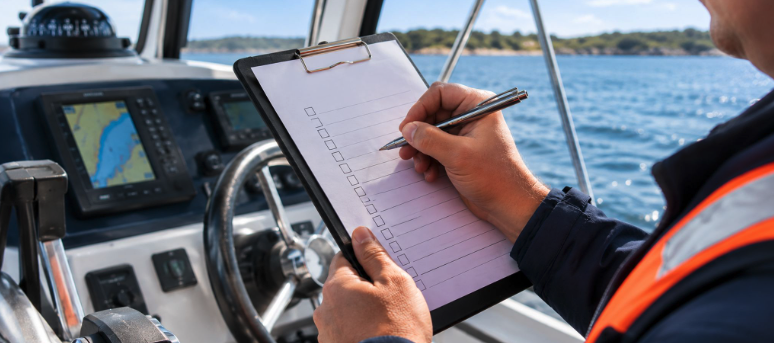
Many buyers search for a free sea trial checklist PDF to bring aboard. Use this table as your printable sea trial checklist template:
| Stage | What to Check | Warning Signs |
| Pre-trial (dock) | Cold start, bilge, hull, deck, safety gear, records | Hard start, heavy smoke, soft deck, oily bilge |
| Underway | Gauges, acceleration, WOT RPM, steering, trim, reverse | Overheating, low RPM, bogging, steering play |
| Systems | Electronics, pumps, generator, A/C, windlass | Dead circuits, voltage drops, weak pumps |
| Post-trial | New leaks, bilge water, smells, oil samples | Fresh water in bilge, burning smell, hot spots |
Take notes and photos as you go. Record RPM and speed at several throttle positions. That data helps your surveyor and strengthens any renegotiation.
Sailboat and Ship Sea Trial Checklist Differences
A sailboat sea trial checklist covers everything above, plus the rig and sails. Don’t skip the auxiliary engine test. You’ll rely on it in tight harbors and calm days.
Raise every sail and look for UV damage, torn stitching, and stretched shapes. Check that winches turn freely and lines run smoothly. Inspect standing rigging for corrosion at swage fittings and chainplates. Sail close-hauled and on other points of sail. Notice balance, weather helm, and how the boat tacks. A breezy day exposes problems that calm water hides.
A ship sea trial checklist is a different scale entirely. New builds and commercial vessels follow formal procedures set by classification societies and regulators. These trials can last days or weeks, with endurance runs, crash stops, and full commissioning.
Equipment technicians often ride along to verify their installations. The principle still applies to private buyers: test everything under real conditions before acceptance.
After the Trial: The Post-Run Inspection
Your sea trial checklist isn’t finished at the dock. Many problems only show up once the boat has run hard.
Open the engine compartment immediately. Look for new leaks, smoke, or burning smells. Check the bilge again. Water that wasn’t there before may mean a leaking shaft seal, hose, or through-hull. If you’re working with a surveyor, they may pull oil samples now. Lab results usually arrive within a few days and can reveal hidden internal wear.
Sea Trial vs. Marine Survey: Do You Need Both?
Yes, for most purchases. They answer different questions.
| Sea Trial | Marine Survey | |
| Main purpose | Tests real performance underway | Documents overall condition and value |
| Where it happens | On the water | On land (haul-out) and on the water |
| Typical time | 1–3 hours for boats under 40 ft | Half day to full day, plus report time |
| Who performs it | Buyer, seller, often a mechanic or captain | Accredited marine surveyor |
| What it catches | Engine, handling, systems, vibration | Hull, running gear, structure, compliance |
A surveyor usually wants the boat hauled out to see the hull, props, and running gear below the waterline. For larger boats, scheduling a captain and boatyard slot takes time. In busy markets like Fort Lauderdale and Miami, haul-out slots can book a week or two out in peak season. Engage your surveyor early. Lenders and insurers often require a survey for older or larger boats anyway.
Red Flags That Should Make You Walk Away
Some warning signs are bigger than any mechanical issue. Be cautious if the seller refuses a sea trial, a mechanic inspection, or even a dockside engine run with muffs attached. A seller with a healthy boat has little reason to say no.
Vague answers about engine hours, missing records, and generic copied listings are also warnings. If the engine won’t reach rated RPM, overheats, or smokes heavily, pause the deal. If the motor itself is the problem, you can compare replacement costs on boat engines for sale before negotiating.
Sea Trial Checklist in Florida and Other Boatzon Markets
A sea trial checklist in Florida should account for local conditions. Heat stresses cooling systems, so watch temperatures closely on summer afternoons. Saltwater speeds corrosion, so inspect fittings, anodes, and wiring carefully. Shallow flats around the Keys and Gulf Coast make prop and lower-unit checks especially important.
Conditions vary elsewhere. Freshwater lake boats in Texas or Indiana face less corrosion but may hide winterization damage. Coastal boats in the Carolinas often see heavy offshore use. If you’re browsing center consoles in Texas or Grady-White boats in North Carolina, adjust your checklist to where the boat has lived. Don’t forget the trailer, either. Check bearings, brakes, lights, and tires, or compare options on boat trailers for sale.
Conclusion: Make Your Sea Trial Checklist Work for You
A sea trial is your best chance to see the truth about a boat before money changes hands. Inspect it cold, test it hard, and check it again after the run. Pair the trial with a professional survey, and never let a seller rush you.
Use this sea trial checklist on your next purchase and you’ll buy with clarity instead of guesswork. When you’re ready, browse boats for sale on Boatzon, get pre-qualified for a boat loan, and find your next boat with confidence. Learn more about Boatzon.
FAQs
What should be on a sea trial checklist?
A good sea trial checklist covers cold starts, bilge condition, gauges, wide-open throttle RPM, steering, trim, electronics, and post-run leaks.
How long does a boat sea trial take?
Most boat sea trials take one to three hours. Add time for a haul-out, survey, fuel stop, and post-run inspection.
Should I do a sea trial before or after making an offer?
Make your offer first, conditional on the sea trial checklist results. Problems found afterward let you renegotiate or walk away.
Is a sea trial necessary if the boat gets surveyed?
Yes. A survey checks conditions, while a sea trial checklist confirms real performance underway. Most surveyors recommend completing both together.
What if a seller refuses a sea trial?
Treat refusal as a red flag. At minimum, request a mechanic inspection and dockside engine run before skipping your sea trial checklist.