

Extended service contracts protect boat owners from unexpected repair costs after manufacturer warranties expire. These plans cover mechanical failures, electrical issues, and component breakdowns that can cost thousands to repair, providing financial protection and peace of mind for both new and pre-owned boat owners.
Understanding the difference between manufacturer warranties and extended service contracts matters enormously when evaluating coverage options. Manufacturer warranties come standard with new boats and typically last one to two years, covering defects in materials and workmanship. Extended service contracts, purchased separately, extend protection beyond that initial period or provide coverage for pre-owned boats that no longer carry manufacturer warranties.
The cost of marine repairs makes extended coverage worth serious consideration. Engine rebuilds run $8,000-15,000. Electrical system repairs cost $2,000-5,000. Outdrive replacements hit $3,000-6,000. A single major failure can exceed the total cost of several years of extended coverage, making the financial calculation straightforward for many boat owners who want to avoid surprise expenses.
What Extended Service Contracts Cover
Coverage varies significantly between providers, making careful comparison essential before purchasing. Comprehensive plans typically protect engines, outdrives, transmissions, electrical systems, steering components, and fuel systems. These represent the highest-cost repair categories where mechanical failures create the largest financial exposure for boat owners.
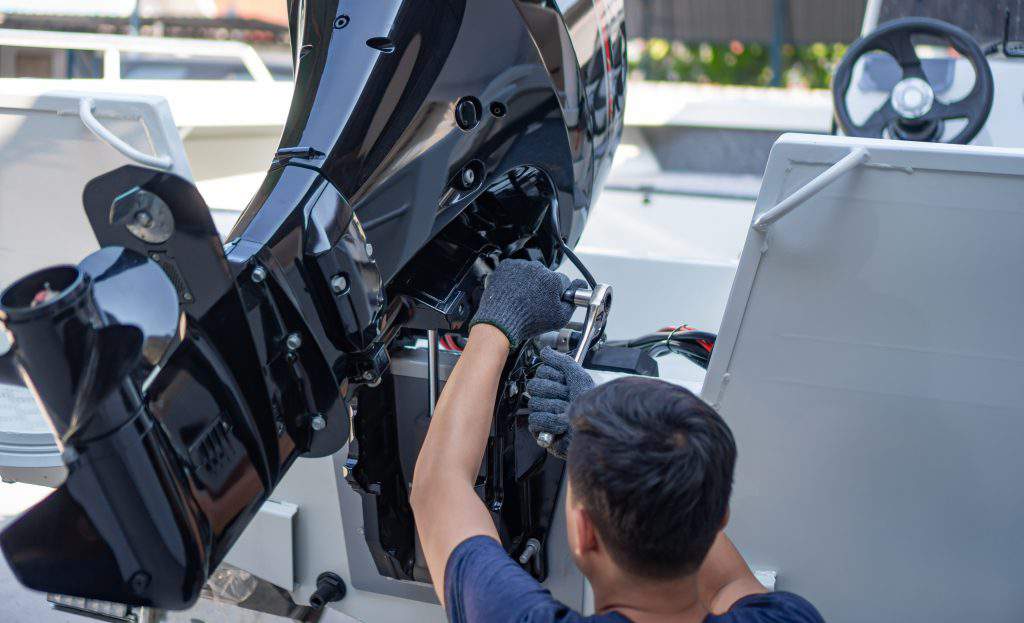
Engine protection forms the foundation of most comprehensive plans. Outboard engines, inboard engines, stern drives, and jet drives all face mechanical failures from normal use despite proper maintenance. Coverage typically includes internal engine components, cooling systems, fuel delivery systems, and electrical starting systems. When a powerhead fails at 500 hours, comprehensive coverage can save $10,000+ compared to paying out of pocket.
Electrical systems create expensive headaches when components fail. Marine electrical environments are harsh, with constant exposure to moisture, vibration, and temperature extremes that degrade wiring, switches, and electronic components faster than automotive applications. Extended contracts covering electrical systems protect against failures in ignition systems, charging systems, gauges and instruments, trim systems, and wiring harnesses.
Steering and control systems represent another major expense category where coverage provides value. Hydraulic steering failures, cable steering problems, shift and throttle control issues, and power steering component failures all require specialized marine technicians and expensive parts. Coverage eliminates the financial uncertainty when these systems need repair or replacement.
Propulsion components beyond the engine itself often qualify for coverage. Outdrives, transmissions, jet pump assemblies, and related components carry high replacement costs. A failed outdrive on a sterndrive boat can cost $4,000-6,000 to replace, making this coverage particularly valuable for owners of sterndrive-powered vessels.
Premium plans extend coverage beyond mechanical systems to include cabin components, electronics, and comfort systems. These comprehensive packages protect air conditioning, refrigeration, marine heads (toilets), freshwater systems, and entertainment electronics. The value proposition depends on your boat’s complexity; a basic fishing boat needs less comprehensive coverage than a cruiser with extensive onboard systems.
Understanding Coverage Limits and Exclusions
Every extended service contract includes coverage limits and exclusions that define exactly what’s protected and what isn’t. Reading these terms carefully before purchasing prevents disappointment when filing claims for items you assumed were covered.
Aggregate coverage limits cap the total amount payable over the contract term. A plan might offer $50,000 in aggregate coverage, meaning all claims combined cannot exceed that amount. Once you’ve claimed $50,000 in repairs, coverage ends regardless of time remaining on the contract. Understanding this limit helps you evaluate whether coverage is adequate for your boat’s value and complexity.
Per-occurrence limits restrict how much the provider pays for individual claims. A contract might include a $5,000 per-occurrence limit, requiring you to pay anything beyond that amount for a single repair. If your engine needs a $12,000 rebuild, you’d pay $7,000 out of pocket despite having coverage. These limits matter more than aggregate limits for expensive single failures.
Deductibles apply to most claims, requiring you to pay the first portion of each repair. Deductibles typically range from $100 to $500 per claim. Higher deductibles reduce premium costs but increase out-of-pocket expenses when you file claims. Consider your financial situation and risk tolerance when choosing deductible amounts.
Normal wear and tear gets excluded from all extended service contracts. Components expected to wear out through regular use don’t qualify for coverage. This includes items like impellers, anodes, batteries, belts, hoses, spark plugs, filters, and other consumable maintenance items. Coverage protects against unexpected mechanical failures, not predictable maintenance needs.
Damage from accidents, negligence, or improper use never qualifies for coverage under extended service contracts. These plans aren’t insurance; they don’t cover collision damage, storm damage, grounding incidents, or damage from operating the boat improperly. Standard boat insurance covers these scenarios, making extended service contracts and insurance complementary rather than overlapping.
Lack of maintenance voids coverage in most contracts. Providers require proof of regular maintenance performed according to manufacturer recommendations. Skipping oil changes, ignoring service intervals, or failing to winterize properly gives providers grounds to deny claims. Keep detailed maintenance records showing you’ve followed proper service schedules.
Cost of Extended Service Contracts
Pricing depends on boat value, engine size, coverage level, and contract length. Understanding typical costs helps you budget appropriately and evaluate whether specific quotes represent fair market rates.
Comprehensive coverage for moderate-value boats typically costs $1,000-2,000 annually. A $50,000 boat might cost $1,000 for complete coverage, while a $100,000 boat runs closer to $1,500-2,000. These rates reflect the higher potential claim costs on more expensive boats with more complex systems requiring coverage.
Engine-only coverage costs less than comprehensive plans, typically running $800-1,500 depending on total horsepower. A single 115hp outboard might cost $800 to cover, while twin 300hp engines could run $1,500-2,000. Horsepower correlates directly with repair costs; larger engines cost more to rebuild or replace, justifying higher premiums.
Contract length affects total cost but usually doesn’t change the annual rate dramatically. Multi-year contracts often include small discounts compared to annual renewals, but don’t expect savings exceeding 10-15%. The main advantage of longer terms is locking in current rates rather than facing potential increases at renewal time.
Payment options vary by provider. Some require full payment upfront, while others allow monthly installments with small financing charges. Monthly payments increase total cost by 5-10% compared to annual payment, but improve cash flow for owners who prefer spreading the expense throughout the year.
Boat age significantly impacts eligibility and pricing. Most providers won’t cover boats older than 20 years regardless of condition. Boats between 10-20 years old face higher premiums and more limited coverage options than newer vessels. The sweet spot for affordable coverage is typically boats under 10 years old with documented maintenance history. Checking current boat values helps determine whether extended coverage makes financial sense relative to your vessel’s worth.
How to Purchase Extended Coverage
Shopping for protection plans requires comparing multiple providers to find the best combination of coverage, cost, and service quality. Not all plans offer equal value, making research essential before committing.
Get quotes from at least three providers to understand market rates and coverage variations. Request detailed coverage documents showing exactly what’s included and excluded rather than relying on marketing materials that highlight benefits while minimizing limitations. Compare aggregate limits, per-occurrence limits, deductibles, and specific covered components across plans.
Verify the provider’s financial stability and claims-paying reputation. Extended service contracts are only valuable if the company remains solvent and actually pays claims when filed. Research customer reviews, check Better Business Bureau ratings, and ask for references from other boat owners who’ve filed claims. A slightly more expensive plan from a reputable provider beats a cheap plan from a company that disputes every claim.
Understand the claims process before purchasing. How do you file claims? Can you use any certified marine technician or only authorized dealers? How quickly does the company process claims and issue payment? Does the company pay the repair facility directly or reimburse you after you’ve paid? These operational details affect your experience when you actually need coverage.
Check for mandatory waiting periods before coverage begins. Some contracts don’t take effect for 30 days after purchase, leaving you exposed during that window. Others activate immediately if you’re purchasing coverage on a new boat within a specific timeframe. Clarify exactly when protection starts to avoid gaps in coverage.
Ask about transferability if you might sell the boat during the coverage period. Transferable contracts add resale value by offering the new owner continued protection. Non-transferable contracts become worthless when you sell, wasting any remaining coverage you’ve already paid for. Most quality providers offer transferable contracts, sometimes with small transfer fees.
Filing Claims and Getting Reimbursed
Understanding the claims process before you need it prevents delays and frustration when repairs become necessary. Each provider has specific requirements for documentation, approval, and payment that affect how smoothly claims get processed.
Document problems thoroughly before authorizing repairs. Take photos showing damage or failed components. Record serial numbers from defective parts. Note symptoms and how the failure occurred. Detailed documentation supports your claim and prevents disputes about whether the failure qualifies for coverage.
Get repair estimates from certified marine technicians before starting work. Most providers require pre-approval for claims exceeding certain amounts, typically $500-1,000. Starting repairs without approval can result in denied claims even for covered failures. Submit estimates through the provider’s claims portal or customer service department and wait for authorization before proceeding.
Choose repair facilities carefully. Some contracts require using authorized dealers or certified technicians to maintain coverage. Others allow you to use any qualified marine service provider. Using unauthorized facilities can void your claim entirely, so verify technician qualifications before authorizing work.
Save all receipts, invoices, and work orders related to the repair. Itemized documentation showing parts, labor, and diagnosis time is essential for reimbursement. Missing documentation gives providers excuses to dispute charges or reduce payment amounts.
Some providers offer nearly 100% online claim processes through dedicated portals like protect.boatzon.com, allowing you to upload estimates, photos, and bank information for direct payment or reimbursement.
Payment methods vary between providers. Some pay repair facilities directly after approving claims, while others reimburse you after you’ve paid the bill yourself. Direct payment to facilities reduces your out-of-pocket cash needs but often takes longer to process. Reimbursement requires you to float the cost but typically processes faster once you submit completed work documentation.
Typical claims processing takes 5-14 business days from submission to payment. Complex claims requiring additional documentation or inspection may take longer. Plan accordingly if you need your boat operational quickly; extended claims processing can leave you without your vessel for weeks.
Maintenance Requirements
Extended service contracts include mandatory maintenance requirements that must be followed to keep coverage valid. Neglecting regular maintenance gives providers justification to deny claims, making proper service scheduling essential for maintaining protection.
Follow manufacturer-recommended service intervals precisely. Oil changes, filter replacements, impeller changes, gear oil services, and other scheduled maintenance must occur at specified intervals or hour meters. Keep detailed records showing when services were performed, what was done, and who did the work.
Use quality parts and fluids meeting manufacturer specifications. Cheap oil, off-brand filters, or incorrect fluids void warranties and extended coverage. The modest savings from using inferior products aren’t worth risking thousands in denied claims when something fails.
Winterization and storage procedures matter enormously in seasonal climates. Proper winterization prevents freeze damage, fuel system problems, and corrosion that would otherwise void coverage. Follow manufacturer winterization procedures and document the process with receipts showing proper antifreeze, fuel stabilizer, and storage preparation.
Keep maintenance records organized and accessible. Providers will request proof of maintenance when you file claims. Having complete service history readily available speeds claims processing and prevents disputes. Use a dedicated folder or digital file to store all service receipts, work orders, and documentation.
Frequently Asked Questions
What’s the difference between a warranty and an extended service contract?
Manufacturer warranties come included with new boats and cover defects in materials and workmanship for limited periods, typically 1-2 years. Extended service contracts are purchased separately to continue protection after manufacturer coverage expires or to cover pre-owned boats. Both protect against mechanical failures, but extended contracts are optional purchases while manufacturer warranties are included with new boat sales.
Can I get extended coverage for a pre-owned boat?
Yes, protection plans are available for pre-owned boats meeting age and condition requirements. Most providers cover boats up to 15-20 years old if they have documented maintenance history and pass inspections. Older boats or those with poor maintenance records typically don’t qualify for coverage regardless of condition.
How long does extended coverage last?
Contract terms typically range from 1-5 years depending on boat age and provider. Newer boats qualify for longer terms, while older boats may only qualify for shorter contracts. Some providers offer renewable terms allowing you to extend coverage as long as the boat remains within age limits.
Do I need a marine survey to purchase coverage?
Requirements vary by provider and boat value. Higher-value boats or older vessels often require professional marine surveys confirming condition before coverage begins. Newer boats or lower-value vessels may only need photos and maintenance records. Expect survey requirements for boats over $75,000 or older than 10 years.
Can I cancel my extended service contract if I sell the boat?
Most contracts allow cancellation with prorated refunds for unused coverage if you sell the boat and the new owner doesn’t want the contract transferred. Refund calculations vary; some providers charge cancellation fees reducing your refund. Review cancellation terms before purchasing to understand your options.
Does extended coverage replace boat insurance?
No, extended service contracts and boat insurance serve different purposes. Insurance covers collision, theft, storm damage, liability, and other risks from accidents or external events. Extended contracts cover mechanical failures from normal use. Most boat owners need both types of protection for comprehensive coverage.
What happens if the coverage provider goes out of business?
This represents real risk with extended service contracts. Choose financially stable providers with established track records rather than new companies offering unusually cheap rates. Some states require providers to maintain reserve funds or insurance backing their contracts, providing some protection if the company fails.
Are extended service contracts tax deductible?
Extended service contracts generally aren’t tax deductible for personal boat use. If you use your boat for business purposes, portions of the contract cost may qualify as business expenses. Consult a tax professional about your specific situation rather than assuming deductibility.
Making the Right Decision
Extended service contracts make sense for boat owners who want predictable expenses and protection from major repair costs. The financial calculation favors coverage when your boat has expensive engines, complex systems, and you plan to keep it several years. Owners who can easily absorb $5,000-10,000 repair bills might skip extended coverage and self-insure instead.
Consider your mechanical aptitude and willingness to perform repairs yourself. Owners who do their own maintenance and repairs get less value from extended contracts since they save on labor costs anyway. Owners who pay marine technicians for all work benefit more from coverage that pays both parts and labor.
Evaluate your boat’s reliability track record. Models with known issues or poor reliability ratings justify coverage more than proven reliable boats with excellent service records. Research common problems for your specific make and model before deciding whether extended coverage is worth the cost.
Disclaimer: This article provides general information about boat extended service contracts for educational purposes. Coverage terms, costs, eligibility requirements, and claim procedures vary significantly between providers. Specific coverage details, exclusions, and limitations differ by contract and provider. Always read complete contract terms carefully before purchasing, compare multiple providers, and verify coverage details directly with the provider. Information about extended service contracts and coverage availability is subject to change based on provider policies and individual boat qualifications.