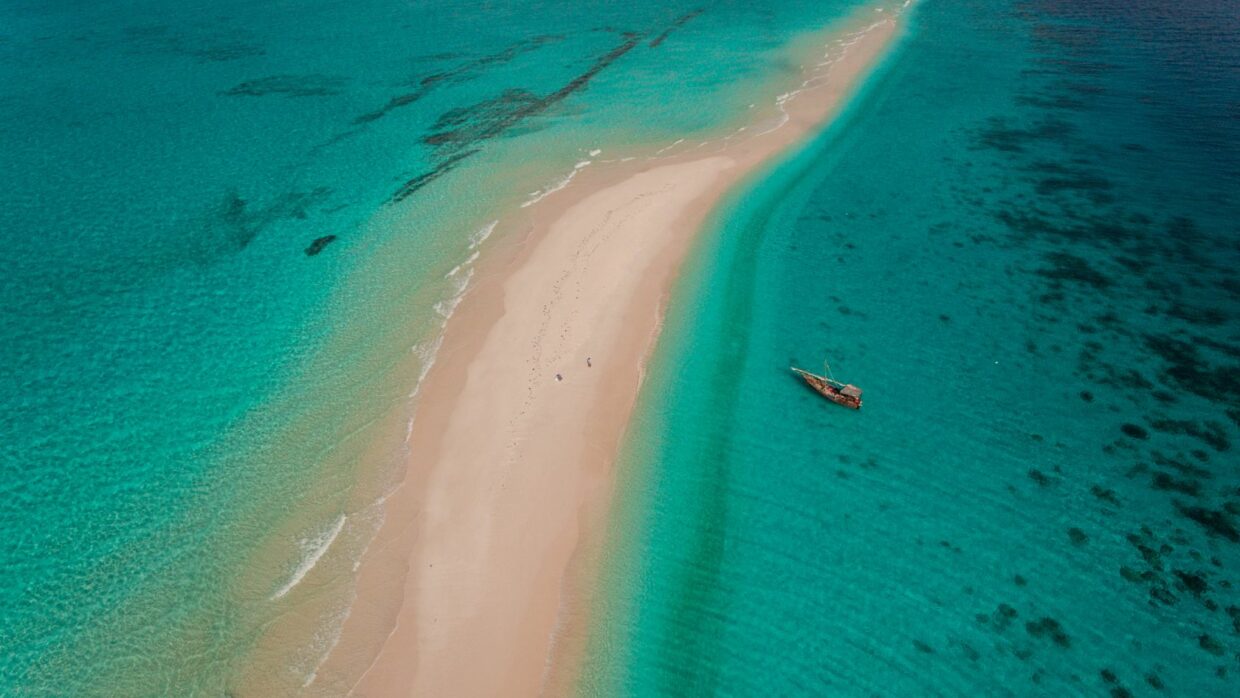
Sandbars represent the ultimate boating destination: shallow turquoise water, powdery white sand, and the kind of atmosphere where strangers become friends over cold drinks and good music. These natural formations draw hundreds of boats on summer weekends, transforming remote stretches of sand into floating parties that rival any beach club. From Michigan's crystal-clear inland lakes to Florida's famous Gulf Coast gatherings, America's best sandbars offer experiences you simply can't replicate from shore.
Understanding what makes each sandbar special helps you plan the perfect day on the water. Some sandbars sprawl across acres of shallow flats perfect for families with young children. Others pack thousands of revelers into tight anchorages where party boats blast music and vendors paddle kayaks selling food and drinks. The best sandbar for you depends on what kind of experience you're seeking, what type of boat you're running, and how far you're willing to travel.
What Creates Sandbars
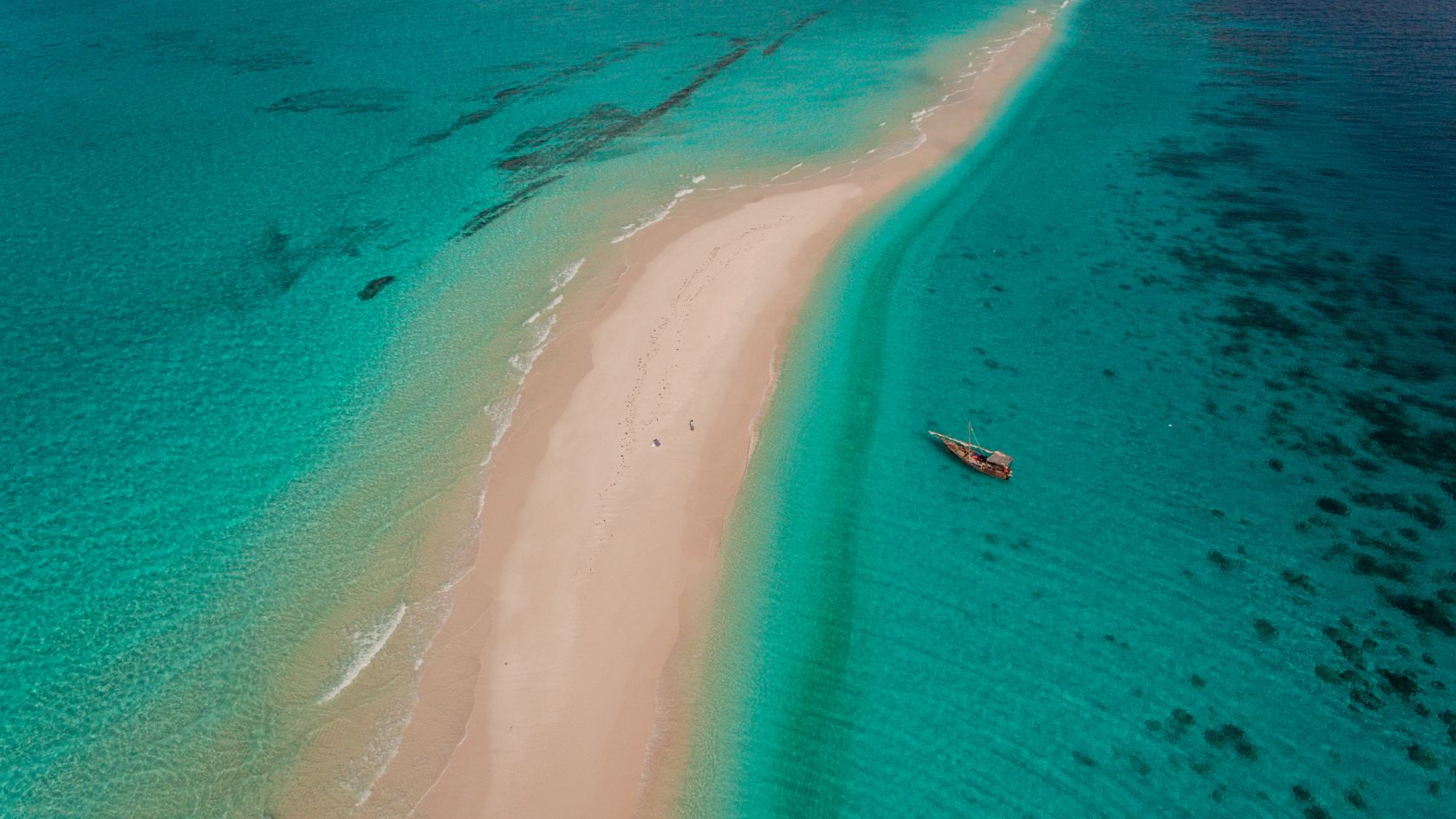
Sandbars form through the constant movement of sediment by waves, currents, and tides. Offshore sandbars develop when breaking waves create turbulence that carves valleys in sandy ocean floors. The sand excavated from these troughs gets deposited on the seaward edge, building underwater ridges parallel to the beach. Backwash and rip currents continue moving sand offshore, gradually building the bar higher until it breaks the surface at low tide.
River mouth sandbars form differently. Sediment carried downstream by rivers meets ocean currents at the river mouth, where the change in water velocity causes sand and silt to settle. Over time, these deposits build into barrier islands or sandbars that shift and reshape with each storm and seasonal current change.
Inland lake sandbars often form at river inflows or where wind-driven currents consistently deposit sand in shallow areas. Some of the most famous sandbars in Michigan and Wisconsin developed naturally over centuries as glacial sediment settled into underwater ridges. Others resulted from dredging projects where spoil material created new islands or extended existing shallow areas.
The Sandbar Experience
A day at a popular sandbar follows predictable rhythms. Boats start arriving mid-morning, dropping anchor in deeper water surrounding the shallow flats. Early arrivals claim premium spots closest to the sandbar itself, where they can step off their boats into knee-deep water. As more boats arrive, the fleet expands outward, with newcomers rafting up to boats already anchored or finding spots in slightly deeper water.
The shallow water surrounding sandbars allows boaters to set up camp directly in the water. Beach chairs, coolers, floating mats, and inflatable lounges create impromptu living rooms where groups gather to socialize. Some boaters bring grills, floating bars, or elaborate sound systems that turn their boats into entertainment centers for the fleet.
The social aspect defines the sandbar experience. Unlike anchoring in a quiet cove, sandbar days revolve around meeting new people, trading stories with neighboring boats, and joining the collective party atmosphere. Whether you’re looking for a family-friendly afternoon in calm shallow water or an adult party scene with hundreds of boats, America’s sandbars deliver both extremes and everything in between.
Torch Lake Sandbar, Torch Lake, Michigan
Torch Lake’s Caribbean-blue water creates one of the most stunning sandbar settings in the country. The lake stretches 19 miles through northwest Michigan, reaching depths of 310 feet in some areas while maintaining the shallow sandbar that attracts hundreds of boats on summer weekends. The combination of deep, clear water and white sand creates color gradations from pale turquoise in the shallows to deep blue in the main lake that rival tropical destinations.
The sandbar sits several hundred yards offshore, accessible only by boat. Peak season weekends see 200-300 boats anchored around the sandbar, with boaters wading in shallow water or floating on rafts between vessels. The scene skews younger and more party-focused than family sandbars, with music from competing sound systems creating a festival atmosphere.
Water clarity in Torch Lake rivals ocean destinations. You can see the sandy bottom in 20 feet of water, and the lake’s depth creates temperature stratification that keeps surface water warm through summer months. The sandbar area stays shallow enough for young children while deeper water immediately adjacent allows for swimming and diving.
Parking challenges around Torch Lake have intensified in recent years as the sandbar’s popularity has grown. Public access points fill early on summer weekends, and local residents have restricted parking in residential areas. Plan to arrive by 9 AM on holiday weekends or consider renting a boat from one of the lake’s marinas that provide parking for customers.
Diamond Lake Sandbar, Cassopolis, Michigan
Diamond Lake’s sandbar attracts a more local crowd than Torch Lake’s tourist scene, creating a relaxed atmosphere where regulars know each other and newcomers receive friendly welcomes. The lake’s 1,000-acre size makes it feel intimate compared to larger Michigan destinations, and the water quality lives up to the lake’s name with exceptional clarity and cleanliness.
The sandbar’s central location makes it easily accessible from the public boat ramp via a short vehicle ferry crossing. This convenience draws families who want the sandbar experience without the hassle of long boat rides or competitive anchoring. The sandbar stays packed on Fourth of July and Labor Day weekends but maintains a manageable crowd on typical summer Saturdays.
Sailing conditions on Diamond Lake draw sailors from across the region when wind picks up. The combination of deep water and protected shoreline creates consistent breeze without the dangerous conditions that plague larger lakes during storms. Pontoon boats dominate the sandbar scene, providing stable platforms for families to set up camp for the day.
Blankenship Bend Sandbar, Lake Havasu City, Arizona
The Colorado River sandbar at Blankenship Bend offers desert boating at its finest. Located about 10 miles north of Lake Havasu City’s famous London Bridge, this sandbar island sits mid-river in calm water protected from the main channel’s current. The surrounding desert landscape creates a unique backdrop compared to traditional beach or lake sandbars.
Water temperatures in the Colorado River can exceed 80 degrees by late June, making the sandbar comfortable for extended water time without wetsuits. The river’s current deposits fine sand that creates a beach-like bottom, though the sandbar’s shape and size fluctuate with seasonal water releases from upstream dams.
Blankenship Bend attracts a mix of local boaters and tourists renting boats from Lake Havasu marinas. The scene stays more relaxed than Lake Havasu’s party cove atmosphere, drawing families and groups looking for calm water and shallow areas for children. Weekdays offer near-private sandbar experiences, while weekends bring 50-100 boats during peak season.
Access requires navigating 10 miles of river from Lake Havasu City marinas, so plan for fuel consumption and river conditions. The trip takes 30-45 minutes depending on boat speed and current. Consider weather forecasts carefully, as afternoon winds can create challenging conditions for the return trip.
Lake Butte des Morts Sandbar, Winnebago County, Wisconsin
This shallow lake’s sandbar benefits from the Fox River dam that created the lake in the 19th century. Maximum depths barely reach nine feet, making nearly the entire lake feel like an extended sandbar. The shallow water warms quickly in spring and maintains comfortable temperatures through fall, extending the boating season beyond deeper lakes.
The sandbar’s accessibility through multiple public boat ramps eliminates the crowding issues that plague lakes with limited access. Boaters can choose from several entry points depending on where they’re staying or which section of the sandbar they prefer. This distribution prevents the single-point congestion that creates traffic jams at other popular destinations.
Fishing quality on Lake Butte des Morts adds an activity option beyond pure sandbar lounging. Musky, walleye, and northern pike populations support serious fishing alongside recreational boating. Some boaters combine morning fishing sessions with afternoon sandbar socializing, making the most of their time on the water.
The lake’s proximity to Oshkosh and other Fox Valley communities makes it a convenient destination for day trips. Many Wisconsin residents can trailer their boats to Lake Butte des Morts in under an hour, arriving at the sandbar by mid-morning and returning home the same evening.
Kaneohe Bay Sandbar, Oahu, Hawaii
Ahu o Laka represents the most exotic sandbar on this list, sitting in turquoise Hawaiian water with views of the Koolau Mountains creating a backdrop unlike anywhere else in the country. The sandbar spans three acres when exposed at low tide, sitting about a mile offshore from Kaneohe and accessible only by boat or a challenging two-mile kayak paddle from Heeia Pier.
The sandbar’s location on the lagoon side of a barrier reef creates exceptionally calm conditions perfect for families with young children. Water depth varies from ankle-deep on the sandbar itself to waist-deep in surrounding areas, allowing everyone to participate regardless of swimming ability. Snorkeling around the sandbar’s edges reveals tropical fish and coral formations you won’t find at mainland destinations.
Weekend crowds can reach hundreds of boats, all anchored around the sandbar or beached directly on the sand. Tour operators run regular trips from Kaneohe bringing tourists who want the sandbar experience without renting boats. This commercial activity creates congestion that some locals avoid by visiting on weekdays or early mornings.
Weather patterns in Kaneohe Bay change throughout the day as trade winds pick up. Morning typically offers the calmest conditions, while afternoons can bring choppy water and challenging boat handling. Plan arrivals for early morning and departures before mid-afternoon when wind peaks.
Crab Island, Destin, Florida
Crab Island has transformed from quiet sandbar to full-blown floating entertainment complex over the past decade. What was once a peaceful spot now hosts thousands of people on peak summer weekends, with floating obstacle courses, live music stages, and food boats creating a water park atmosphere. The evolution reflects both the sandbar’s accessibility from Destin’s extensive boat rental industry and its perfect shallow water that stays waist-deep even at high tide.
The scene at Crab Island peaks between Memorial Day and Labor Day, when daily crowds can exceed 1,000 people on weekends. Music from competing sound systems, vendors paddling between boats selling everything from pizza to parasailing rides, and constant boat traffic create an energy level that either thrills or overwhelms depending on your preferences.
Water clarity at Crab Island varies with tide and recent weather. Spring tides and calm conditions produce the emerald-green water that appears in promotional photos. Stormy weather or large weekend crowds can reduce visibility, though the shallow depth means you can always see the sandy bottom beneath your feet.
Access requires crossing Destin Harbor and navigating the channel markers that lead to Crab Island. Water taxi services run continuously from Destin harbor for visitors without boats. The short distance makes Crab Island accessible to rental pontoons and smaller boats that might struggle with open-water crossings to more remote sandbars.
Whale Harbor Sandbar, Islamorada, Florida
Islamorada’s famous sandbar sits less than a mile offshore in the Atlantic, offering Keys boating culture in a compact, easily accessible location. The sandbar has supported massive floating parties for decades, with the scene peaking on holiday weekends when several hundred boats create a temporary city on the water. Locals and tourists mix freely, creating the relaxed atmosphere that defines Keys culture.
The shallow water allows boaters to anchor furniture directly on the sandbar. Beach chairs sit in six inches of water, grills get set up on fold-out tables, and umbrellas provide shade while guests wade between boats socializing. Some regulars bring elaborate setups including generators powering blenders and sound systems, transforming their boats into floating beach bars.
Whale Harbor’s proximity to Holiday Isle Marina and other Islamorada boat ramps makes it convenient for both tourists renting boats and locals running their own vessels. The short run from shore means smaller center console boats handle the trip easily, expanding access beyond large cruisers that dominate longer offshore runs.
Pet-friendly policies make Whale Harbor appealing for dog owners who want to include their pets in boating adventures. Many boats bring dogs who wade in the shallow water or lounge on floating mats alongside their owners, adding to the relaxed, anything-goes atmosphere.
Lake Boca Sandbar, Boca Raton, Florida
Lake Boca’s urban setting creates a sandbar experience unlike remote destinations. Hotels, restaurants, and private residences line the shore, and the sandbar sits close enough that you can order food delivery from nearby restaurants. This accessibility attracts locals who treat the sandbar like a floating neighborhood gathering spot rather than a distant destination.
The annual Boca Bash held each spring draws thousands of boats for what might be the largest single-day boating event in Florida. The event has become so popular that it requires careful planning and early arrival to secure anchoring spots. Even outside Boca Bash, summer weekends see 200-300 boats creating a substantial fleet around the sandbar.
Lake Boca’s protection from ocean swells and currents creates calm conditions even when weather kicks up. The lake’s connection to the Intracoastal Waterway means boaters can access it from either ocean or inland routes depending on conditions. This flexibility makes Lake Boca reliable when other coastal sandbars face rough water.
Three Rooker Island, Clearwater, Florida
Three Rooker Island offers an alternative to party-focused sandbars, attracting boaters seeking natural beauty and relative solitude. The island’s northern section serves as a protected bird sanctuary where boats cannot land, but the southern sandbar remains open for recreational use. This conservation focus keeps crowds smaller and behavior more respectful than mega-party destinations.
The island’s size fluctuates with tides and seasonal erosion, sometimes expanding to several acres at low tide and shrinking to narrow strips during high water. This variability creates different experiences depending on timing. Research tide schedules before visiting to ensure you arrive during the optimal window when maximum sand exposure creates the best beach area.
Water clarity at Three Rooker rivals anything in the Caribbean. The Gulf of Mexico’s sugary white sand and minimal runoff create visibility that can exceed 30 feet on calm days. The clear water makes Three Rooker popular with snorkelers who explore the transition zone where the sandbar drops into deeper water.
Access from Clearwater area boat ramps requires a run across open Gulf water that can turn rough quickly when weather deteriorates. Check marine forecasts carefully and maintain awareness of changing conditions throughout your visit. The exposed location means afternoon thunderstorms can develop rapidly, requiring quick exits back to protected water.
Baker’s Haulover Sandbar, Miami, Florida
North Miami’s Haulover Sandbar combines convenient location with consistent party atmosphere, drawing hundreds of boats on summer weekends. The sandbar sits in the bay west of Haulover Marina, protected from ocean swells while remaining close enough to the inlet that boaters can easily access it from both ocean and bay sides.
The sandbar’s visibility at low tide creates a true island experience. Boaters can step off their vessels onto exposed sand that feels like a private beach despite the surrounding fleet. As tide rises, the sand disappears beneath 1-2 feet of water, transforming the area into a shallow wading pool where guests move freely between boats.
Food boats operate at Haulover similar to Crab Island, with vendors paddling kayaks to deliver fresh ceviche, shrimp, and other snacks directly to anchored boats. This service eliminates the need to pack elaborate lunches or leave the sandbar for food, keeping the party going all day without interruption.
The short distance from Haulover Marina makes the sandbar accessible for quick half-day trips. Many Miami boaters run out for 3-4 hours on weekend afternoons, enjoying the sandbar scene without dedicating entire days. This convenience drives consistent crowds even on non-holiday weekends when more remote destinations might see lighter traffic.
Choosing Your Sandbar
The best sandbar for your group depends on several factors beyond just location. Consider crowd tolerance: destinations like Crab Island and Haulover can see thousands of people creating festival-like atmosphere, while Three Rooker and Blankenship Bend offer more intimate experiences. Water conditions matter for families with young children; protected lake sandbars in Michigan and Wisconsin provide calmer water than Gulf Coast destinations where wind and currents create chop.
Boat type influences sandbar selection. Shallow-draft boats designed for coastal waters handle sandbar environments better than deep-hulled vessels that risk grounding. Pontoons excel at sandbar duty thanks to shallow draft, stable platforms, and ample deck space for setting up camp. Center consoles work well for sandbars requiring longer runs across open water, while deck boats and bowriders handle calmer lake environments.
Trip planning affects enjoyment significantly. Research tide schedules for coastal sandbars to ensure you arrive when maximum sand exposure creates the best beach area. Check local regulations regarding alcohol consumption, overnight anchoring, and pet policies before making assumptions. Bring proper anchoring equipment including extra rode to account for tide changes that can dramatically increase water depth.
Frequently Asked Questions
What type of boat is best for visiting sandbars?
Pontoon boats excel at sandbar duty thanks to shallow draft, stable platforms for setting up camp, and ample deck space for groups. Center console boats work well for sandbars requiring longer runs across open water. Any boat with draft under 2 feet can safely navigate most sandbar environments, though deeper-hulled vessels should research specific depths before visiting.
Do I need a permit to visit sandbars?
Most sandbars are located in public waters requiring no special permits for day use. Some protected areas like Three Rooker Island have restrictions on landing in bird sanctuary zones. Check local regulations before visiting, particularly regarding overnight anchoring, alcohol consumption, and pet policies that vary by location and jurisdiction.
What should I bring for a day at the sandbar?
Essential items include anchor and extra rode for tide changes, plenty of drinking water and food, shade protection like umbrellas or Bimini tops, sunscreen, and secure storage for valuables since you’ll be in and out of the water frequently. Bring music if you want entertainment, but respect neighboring boats with volume levels. Many sandbars have floating vendors, but prices run higher than provisioning yourself.
When is the best time to visit sandbars?
Peak sandbar season runs Memorial Day through Labor Day, with July experiencing the heaviest crowds. Weekdays offer significantly less crowding than weekends at popular destinations. Arrive early (before 10 AM) on holiday weekends to secure good anchoring spots. Some locations like Florida sandbars remain accessible year-round, though winter months bring fewer crowds and cooler water temperatures.
Are sandbars safe for children?
Shallow water depth at most sandbars creates relatively safe environments for children compared to beaches with waves and currents. However, constant supervision remains essential since water depth can change quickly with tides, drop-offs can appear where sandbars transition to deeper water, and boat traffic creates hazards. Life jackets for non-swimmers are mandatory regardless of water depth.
Can I anchor overnight at sandbars?
Overnight anchoring regulations vary by location. Some sandbars prohibit overnight stays entirely, while others allow it with restrictions. Many popular party sandbars like Crab Island and Haulover see boats leave by evening, making overnight anchoring impractical due to wake from departing vessels. Research local regulations and consider weather forecasts before planning overnight stays.
How do I find sandbars near me?
Local boating forums and Facebook groups share information about regional sandbars and current conditions. Marine charts show underwater topography revealing potential sandbar locations based on depth contours. Many navigation apps now include user-generated waypoints marking popular anchorages including sandbars. Start by researching well-known destinations in your region before exploring lesser-known spots.
What are the biggest mistakes people make at sandbars?
Common mistakes include inadequate anchoring that lets boats drift into others as tide changes, bringing too little water and getting dehydrated, arriving late and finding no anchoring space available, underestimating sun exposure and getting severe burns, and failing to research local regulations leading to tickets or fines. Plan thoroughly, arrive early, and respect other boaters to ensure positive experiences.
Making the Most of Sandbar Season
America’s sandbars offer experiences you can’t replicate anywhere else: the combination of natural beauty, social atmosphere, and the freedom that comes from spending days on the water creates memories that draw boaters back season after season. Whether you’re exploring Torch Lake’s crystal-clear water, joining the massive fleet at Crab Island, or finding solitude at Three Rooker Island, these destinations represent the best of American boating culture.
The sandbar experience works because it combines multiple appeals: families enjoy shallow water perfect for children, social groups appreciate the party atmosphere and opportunities to meet other boaters, and everyone benefits from the natural beauty of white sand and clear water. Understanding what each sandbar offers helps you choose destinations matching your preferences, whether you want quiet relaxation or energetic crowds.
Disclaimer: This article provides general information about sandbar locations for recreational purposes. Conditions at sandbars change based on weather, tides, seasonal variations, and other factors. Water depths, sandbar exposure, and crowd levels vary significantly throughout the year. Always check current conditions, weather forecasts, and local regulations before visiting any sandbar. Navigational hazards including shallow water, changing depths, and boat traffic require constant attention and appropriate seamanship. Information about specific locations is subject to change based on natural erosion, storm impacts, and regulatory updates.