



- Boats

- Shop
- Finance
- Boatability
- Shopping Tools
- Dealer


Pontoon Boat Insurance Guide
Coverage and Costs

Pontoon Boat Insurance Guide
Pontoon boat insurance seems straightforward until you start comparing policies and discover how dramatically coverage and costs vary between providers. What one insurer considers comprehensive protection, another treats as bare minimum coverage. Understanding these differences prevents expensive gaps in protection while avoiding unnecessary premium costs.
The right insurance policy protects your investment while providing liability coverage that shields your assets from accident-related claims. Getting this balance right requires understanding pontoon-specific risks, coverage options, and how different factors affect your premium costs.
Quick Answer: Pontoon Insurance Essentials
Required Coverage:
- Liability insurance (usually required by marinas and lenders)
- Physical damage coverage for financed boats
Recommended Coverage:
- Comprehensive and collision protection
- Medical payments coverage
- Uninsured boater protection
Average Costs:
- $300-800 annually for typical pontoon policies
- Varies by boat value, usage, and coverage limits
Get pontoon insurance quotes →
Understanding Marine Insurance Basics
Marine insurance operates differently from auto coverage despite superficial similarities. Water-related risks create unique considerations that affect both coverage needs and policy structures. Boats face hazards from weather, submersion, wildlife, and navigational errors that don't apply to land vehicles.
Policy Structure typically separates into liability coverage protecting against claims from injuries or property damage you cause, and physical damage coverage protecting your pontoon from various perils. Most comprehensive policies combine both elements while allowing customization based on individual needs and risk tolerance.
Agreed Value vs Actual Cash Value represents a fundamental choice affecting claim settlements. Agreed value policies pay the amount specified in your policy regardless of depreciation, while actual cash value policies factor in depreciation when settling claims. This distinction becomes crucial for older pontoons where depreciation significantly affects replacement costs.
Named Perils vs All Risk coverage determines what damage triggers insurance payments. Named perils policies cover only specifically listed hazards like fire, theft, or storm damage, while all risk policies cover everything except specifically excluded perils. All risk coverage costs more but provides broader protection with fewer gaps.
Navigation Limits define where your pontoon has coverage, with policies typically specifying geographic boundaries and sometimes restricting coverage based on distance from shore. Understanding these limits prevents discovering coverage gaps when you venture into new waters.
Liability Coverage Explained
Bodily Injury Liability protects you when passengers or other boaters suffer injuries due to your actions or negligence. This coverage pays medical expenses, lost wages, and legal costs up to your policy limits. Given the potential for serious water-related injuries, adequate liability limits prove essential for protecting your assets.
Minimum recommended liability coverage typically starts at $300,000, though many insurance professionals suggest $500,000 or higher for boat owners with significant assets to protect. Legal judgments can easily exceed lower limits, leaving you personally responsible for the difference.
Property Damage Liability covers damage your pontoon causes to other boats, docks, or property. This includes situations like losing control and damaging another vessel or destroying marina property during docking mishaps. Property damage claims can be substantial, particularly when involving expensive yachts or marina infrastructure.
Legal Defense Costs often fall under liability coverage, with insurers providing attorneys and covering legal expenses when you face lawsuits related to boating accidents. These costs can mount quickly even when you're not ultimately found liable, making this coverage component valuable regardless of fault outcomes.
Umbrella Policy Considerations provide additional liability protection beyond your base pontoon policy limits. For boat owners with significant assets or high liability exposure, umbrella policies offer cost-effective additional protection that extends across multiple insurance policies including home, auto, and marine coverage.
Physical Damage Coverage Options
Comprehensive Coverage protects against non-collision damage including theft, vandalism, fire, storm damage, and hitting submerged objects. This coverage proves particularly valuable for pontoons stored outdoors or used in areas with unpredictable weather patterns.
Storm damage represents a significant risk for pontoon owners, with hurricanes, hail, and severe thunderstorms causing expensive damage that comprehensive coverage addresses. Without this protection, you bear the full cost of weather-related repairs or replacement.
Collision Coverage pays for damage resulting from impacts with other boats, docks, or fixed objects. This includes common scenarios like docking mishaps, navigation errors, or accidents with other watercraft. Collision coverage typically includes a deductible that you pay before insurance benefits begin.
Disappearing Deductible programs reward claim-free years by gradually reducing your deductible over time. These programs incentivize safe boating while reducing your out-of-pocket costs for future claims, though not all insurers offer this benefit.
Fuel Spill Liability coverage addresses environmental cleanup costs if your pontoon causes fuel contamination. These expenses can be substantial even for small spills, particularly in sensitive waterways where extensive remediation is required.
Specialized Coverage Considerations
Towing and Assistance coverage reimburses costs when your pontoon needs emergency towing to shore or repair facilities. On-water towing proves expensive, often costing several hundred dollars even for short distances. This coverage typically pays up to specified limits per incident.
Personal Effects Coverage protects belongings kept on your pontoon, including fishing equipment, water sports gear, and electronics. Standard policies often provide limited coverage for personal property, requiring additional coverage for expensive equipment collections.
Medical Payments Coverage pays medical expenses for injured passengers regardless of fault, providing quick access to medical care without determining liability first. This coverage benefits both you and your guests by ensuring immediate treatment availability.
Uninsured Boater Coverage protects you when accidents involve boats without adequate insurance. This coverage addresses medical expenses and property damage when at-fault boaters can't pay claims due to lack of insurance or insufficient coverage limits.
Trailer Coverage protects the trailer used to transport your pontoon, addressing both physical damage and theft. Many boat policies automatically include trailer coverage up to specified limits, though expensive trailers may require additional coverage.
Winter Storage Coverage addresses risks during off-season storage, including collapse damage from snow loads, fire, theft, and vandalism. Some policies reduce coverage during storage periods, making verification of winter protection important for seasonal boaters.
Factors Affecting Insurance Costs
Boat Value represents the primary driver of physical damage premiums, with more expensive pontoons costing more to insure. Insurers base premiums on replacement costs, making accurate valuation crucial for both adequate coverage and reasonable premium costs.
Usage Patterns affect risk assessment and premium calculations. Pontoons used primarily for fishing and leisure typically cost less to insure than those used for water sports or high-speed activities. Frequent use and extended cruising ranges may increase premiums due to increased exposure.
Operator Experience influences insurance costs, with experienced boaters often qualifying for lower premiums than novice operators. Boating safety course completion can reduce premiums while improving your knowledge and reducing accident risks.
Storage Location affects premiums based on theft risks, weather exposure, and security measures. Covered dry storage typically costs less to insure than wet slips, while outdoor storage may increase premiums due to weather exposure and theft risks.
Safety Equipment, including fire extinguishers, life jackets, and navigation lights may qualify for premium discounts. Some insurers offer reduced rates for boats with enhanced safety features like GPS tracking systems or monitored alarm systems.
Claims History significantly impacts future premiums, with frequent claims leading to higher rates or coverage refusal. Maintaining claim-free status for several years often qualifies you for good driver discounts that reduce premium costs.
Deductible Selection directly affects premium costs, with higher deductibles reducing premiums while increasing your out-of-pocket costs for claims. Balancing deductible levels against premium savings requires considering your financial resources and risk tolerance.
Regional Insurance Variations
Coastal vs Inland Coverage affects both availability and pricing, with coastal insurers dealing with hurricane risks that justify higher premiums or stricter coverage terms. Inland pontoon insurance typically costs less due to reduced weather-related risks and lower theft rates.
Hurricane-Prone Areas face special insurance challenges, including seasonal exclusions, higher deductibles, or complete coverage unavailability during active storm periods. Coastal pontoon owners should understand these limitations before purchasing in hurricane zones.
State Requirements vary regarding mandatory insurance coverage and minimum liability limits. Some states require proof of financial responsibility for boat registration, while others leave insurance decisions to individual owners. Understanding local requirements prevents legal complications.
Marina Requirements often mandate minimum liability coverage and may require additional insured endorsements naming the marina on your policy. Verifying these requirements before purchasing ensures your coverage satisfies contractual obligations.
Selecting the Right Coverage
Coverage Adequacy Assessment begins with evaluating your assets, risk exposure, and financial capacity to absorb losses. Boat owners with substantial assets need higher liability limits to protect against lawsuits, while those with limited resources might prioritize physical damage coverage.
Policy Comparison Strategies require obtaining quotes from multiple insurers while ensuring comparable coverage levels. Focusing solely on premium costs without comparing coverage details often leads to inadequate protection that fails when needed most.
Specialized Marine Insurers often provide better coverage and service for boats compared to adding marine coverage to home or auto policies. Companies focusing on marine insurance understand boating risks better and typically offer more comprehensive protection and knowledgeable claims handling.
Bundle Opportunities may provide premium discounts when combining boat insurance with home, auto, or other policies through the same insurer. However, bundling savings shouldn't override coverage quality considerations, as specialized marine insurers may still provide better value despite higher standalone premiums.
Claims Process Understanding
Immediate Steps After Accidents include ensuring everyone's safety, documenting damage through photos and written descriptions, collecting contact information from involved parties, and notifying your insurer promptly. Quick reporting helps expedite claims while memories and evidence remain fresh.
Documentation Requirements for claims typically include police or coast guard reports for accidents, repair estimates from authorized facilities, and detailed descriptions of circumstances leading to damage. Thorough documentation supports claim approval and appropriate settlement amounts.
Repair Authorization Process usually requires insurer approval before proceeding with significant repairs. Some policies allow emergency repairs up to specified amounts, while major work needs prior authorization to ensure coverage and appropriate repair standards.
Settlement Timelines vary based on claim complexity and insurer efficiency. Simple claims may settle within days, while complex situations involving investigations or liability disputes can extend weeks or months. Understanding typical timelines helps set appropriate expectations.
Dispute Resolution options include internal appeals, state insurance commissioner complaints, or legal action when settlement disputes arise. Many policies include arbitration clauses requiring this approach before litigation becomes available.
Cost-Saving Strategies
Safety Course Completion often qualifies for premium discounts ranging from 5-15% depending on insurer and course type. These courses also improve boating skills and safety knowledge, providing benefits beyond insurance savings.
Multi-Boat Discounts apply when insuring multiple boats through the same company, similar to multi-car discounts in auto insurance. Families with multiple boats can achieve significant savings through consolidated coverage.
Claim-Free Discounts reward accident-free boating with reduced premiums over time. Maintaining several years without claims can reduce premiums by 10-20% or mor, depending on insurer programs.
Increased Deductibles lower premiums substantially, though this strategy requires financial resources to cover higher out-of-pocket costs during claims. Comparing premium savings against potential claim costs helps determine optimal deductible levels.
Seasonal Coverage Adjustments allow reduced coverage during storage periods when certain risks decrease. While comprehensive coverage typically remains advisable year-round, some insurers offer premium reductions for laid-up periods.
Payment Plans offering annual payment discounts can reduce total costs compared to monthly payment options. While monthly payments improve cash flow management, annual payment savings often justify upfront expenditure when financially feasible.
Lender and Marina Requirements
Financed Boat Coverage mandates typically require comprehensive and collision coverage protecting the lender's interest until boat loans are satisfied. Lenders specify minimum coverage levels and often require naming them as loss payees on policies.
Marina Slip Requirements frequently mandate minimum liability coverage and may require additional insured endorsements including the marina on your policy. These requirements protect marinas from liability exposure related to boats docked in their facilities.
Verification Requirements from lenders and marinas include providing proof of insurance before boat delivery or slip assignment. Maintaining continuous coverage throughout financing and marina agreements prevents breaches that could trigger loan acceleration or slip termination.
Insurance for Different Pontoon Types
New vs Used Pontoons affect coverage availability and costs, with new boats typically easier to insure and qualify for agreed value policies. Older pontoons may face actual cash value restrictions or limited coverage availability, depending on age and condition.
Luxury Pontoons with high values and expensive features require specialized coverage ensuring adequate protection for custom installations and premium components. Standard policies may not fully cover expensive upgrades without specific endorsements.
Fishing Pontoons with specialized equipment benefit from enhanced personal property coverage protecting expensive fishing gear and electronics. Standard policy limits often prove inadequate for serious fishing equipment collections.
Performance Pontoons with powerful engines and higher speed capabilities may face higher premiums or coverage restrictions due to increased accident risks. Some insurers specialize in performance boat coverage while others avoid this market segment entirely.
Ready to Protect Your Pontoon Investment?
Understanding pontoon insurance options empowers you to make informed decisions balancing protection needs against premium costs. Whether you're insuring a basic family pontoon or a luxury tritoon with expensive features, adequate coverage protects both your investment and your financial security.
The right insurance policy provides peace of mind that lets you enjoy boating without constant worry about potential losses or liability exposure. By searching and inquiring for a Pontoon boat for sale on Boatzon, it simplifies this process by connecting you with multiple top marine insurance companies through a single five-minute application, providing real-time personalized quotes that you can compare side by side before choosing the coverage that fits your budget.
Smart pontoon owners use Boatzon's integrated platform to handle both financing and insurance simultaneously, viewing total ownership costs before committing to any purchase. This approach eliminates the hassle of coordinating between separate lenders and insurance providers while ensuring comprehensive protection from day one.
Boatzon's insurance activation happens immediately after you select your policy, with flexible payment options that include monthly plans and no payment required at activation. Your payment options arrive by mail, giving you time to review terms and choose between full payment or monthly installments that fit your budget.
When you're ready to find your perfect pontoon, Boatzon's platform provides everything you need in one place. Browse pontoons with complete pricing transparency, get pre-qualified for financing to understand your buying power, then add insurance quotes to see your total monthly ownership costs including loan payments and coverage premiums.
Insurance Coverage Checklist
Essential Coverage:
Liability insurance ($300,000+ recommended)
Comprehensive physical damage
Collision coverage
Medical payments
Uninsured boater protection
Additional Considerations:
Personal effects coverage
Towing and assistance
Fuel spill liability
Trailer coverage
Winter storage protection
Cost Management:
Safety course completion discount
Multi-boat discount eligibility
Optimal deductible selection
Payment plan evaluation
Annual policy review
About This GuideInsurance information reflects general industry practices and coverage options as of October 2025. Insurance requirements, coverage options, and costs vary by state, insurer, and individual circumstances. Always consult licensed insurance professionals and review policy documents before making coverage decisions.
Pontoon Boats For Sale

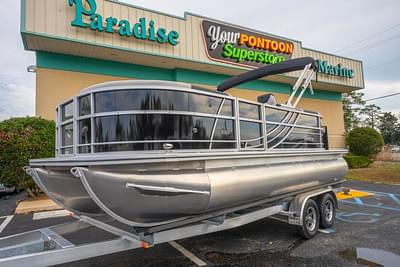
South Bay 220RS LE Rear Seating 275 2025
220RS LE Rear Seating 275 | N/A
May Qualify
 Gulf Shores, AL

Monterey 278SS 2025
N/A
$13,999 cash down
Lancaster, KY
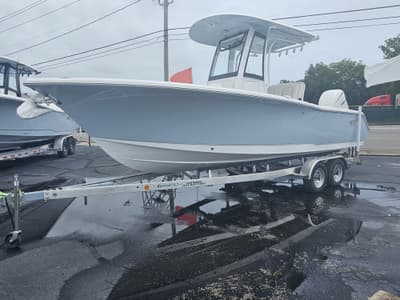
Sea Hunt 245 SE 2027
N/A
$14,537 cash down
Fort Walton Beach, FL

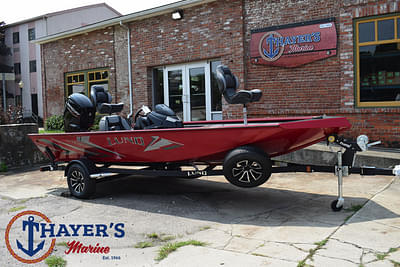
Lund 1775 Renegade SS 2025
1775 Renegade SS | N/A
$3,000 cash down
Norwich, CT


Copyright © 2026 Boatzon™. All Rights Reserved