



- Boats

- Shop
- Finance
- Boatability
- Shopping Tools
- Dealer


New vs Used Center Console Boats
The Complete Value Analysis for Smart Buyers

The Complete Value Analysis for Smart Buyer
Deciding between new and used center console boats represents one of the most significant financial choices in marine purchasing. While new center console boats offer warranties and the latest features, used models can deliver exceptional value when properly evaluated. Understanding depreciation curves, maintenance considerations, and long-term ownership costs helps buyers maximize their investment regardless of which path they choose.
The center console market presents unique considerations for the new versus used debate. These versatile fishing platforms hold value differently than recreational boats, with factors like engine hours, electronics packages, and saltwater exposure playing critical roles in determining whether a used model makes financial sense.
Understanding Center Console Depreciation Patterns
Center console boats experience their steepest depreciation during the first three years of ownership, typically losing 20-30% of their initial value. This depreciation curve creates opportunities for buyers willing to purchase boats that are 2-4 years old, capturing significant savings while still acquiring relatively modern vessels.
Premium brands like Grady-White, Boston Whaler, and Contender demonstrate stronger value retention than entry-level manufacturers. A three-year-old Grady-White might retain 75% of its original value, while comparable boats from value-oriented brands could drop to 60% or less. This brand-based depreciation variance affects both initial purchase decisions and long-term ownership costs.
Geographic factors significantly influence depreciation rates. Center consoles in Florida and coastal markets generally depreciate slower due to year-round usability and strong demand. Boats in seasonal markets experience steeper depreciation, creating potential bargains for buyers willing to transport vessels from northern states.
Financial Advantages of New Center Console Boats
New center console boats provide predictable ownership experiences with manufacturer warranties covering major components for 3-10 years depending on the brand. These warranties eliminate unexpected repair costs during the initial ownership period, providing budget certainty that many buyers value.
Financing advantages often favor new boat purchases. Lenders typically offer lower interest rates and longer terms for new vessels, sometimes extending up to 20 years for qualified buyers. A new $80,000 center console might qualify for 4.99% financing, while the same boat at three years old could carry 6.99% or higher rates.
Modern features and technology represent compelling reasons to buy new. The latest center consoles incorporate advanced electronics, improved hull designs, and more efficient engines that older models lack. Features like joystick docking, integrated sonar systems, and smartphone connectivity enhance both safety and enjoyment.
Customization options allow new boat buyers to specify exactly what they want. From choosing power options to selecting electronics packages and comfort features, buying new ensures the boat matches specific fishing styles and preferences without compromise.
Value Proposition of Used Center Console Boats
Used center console boats offer immediate savings that can fund additional equipment or cover several years of operating costs. A two-year-old model typically costs 20-25% less than new, translating to $20,000-30,000 savings on mid-range center consoles.
Depreciation absorption by the original owner means used boat buyers avoid the steepest part of the value decline curve. A well-maintained five-year-old center console might only lose 5-8% annually going forward, compared to 10-15% yearly depreciation on new models.
Proven reliability becomes apparent in used boats with documented service histories. Models that have operated successfully for several seasons demonstrate their durability, while any manufacturing defects or design issues have likely been resolved under warranty by previous owners.
Equipment upgrades installed by previous owners often transfer significant value to used boat buyers. Custom towers, upgraded electronics, or enhanced seating can add $20,000-50,000 in value that might only increase the used price by $10,000-25,000.
According to marine financing experts at Trident Funding, boats with mechanical and cosmetic upgrades command higher resale values, though buyers shouldn't expect to recoup the full cost of personal upgrades when selling - making well-equipped used boats particularly attractive purchases for savvy buyers.
Critical Inspection Points for Used Center Consoles
Engine condition determines much of a used center console's value and future reliability. Compression tests, lower unit inspections, and maintenance records provide essential insight into power plant health. Boats with 500-800 hours generally offer the best balance of break-in completion and remaining engine life.
Hull integrity requires careful examination, particularly around through-hull fittings, transom, and areas where hardware attaches. Soft spots in the deck, stress cracks around cleats, or signs of previous impact repairs indicate potential structural issues that could require expensive remediation.
Electronics functionality affects both usability and value. Older GPS units might lack current chart updates, while dated sonar systems could require complete replacement. Budget $5,000-15,000 for electronics updates when evaluating used boats with equipment over five years old.
Trailer condition for trailerable center consoles impacts total ownership costs significantly. Corroded frames, worn bearings, or inadequate capacity can add $3,000-8,000 to the purchase price. Ensure any trailer matches the boat's weight and includes proper support points for the hull design.
Warranty and Protection Considerations
New boat warranties typically cover hull structure for 10 years and engines for 3-6 years, providing comprehensive protection against defects. Extended warranty options can push coverage to 7-8 years on engines, though costs range from $3,000-8,000 depending on power choices.
Used boat warranty options remain limited, though some dealers offer 30-90 day limited warranties on pre-owned inventory. Third-party marine warranties can provide protection but often exclude pre-existing conditions and require thorough inspections before coverage begins.
Certified pre-owned programs from manufacturers like Grady-White and Boston Whaler bridge the warranty gap between new and used boats. These programs include multi-point inspections and limited warranties, though boats typically cost 5-10% more than non-certified alternatives.
Service history documentation proves more valuable than warranty coverage for many used boat purchases. Complete records demonstrating regular maintenance, proper winterization, and prompt repair of any issues indicate responsible ownership that promotes long-term reliability.
Financing Strategies for New vs Used Purchases
New boat financing through marine lenders or manufacturer programs often includes promotional rates during boat shows or end-of-season sales. These incentives can reduce the effective cost difference between new and lightly used models, particularly when combined with manufacturer rebates.
Used boat financing typically requires larger down payments, often 15-20% compared to 10% for new boats. Shorter loan terms mean higher monthly payments but less total interest paid. A $60,000 used boat financed over 10 years costs significantly less in interest than the same amount financed over 15-20 years.
Pre-qualification for boat loans helps buyers understand their purchasing power before shopping. This knowledge enables better negotiation whether buying new or used, as sellers recognize serious buyers with confirmed financing capacity.
Private party purchases of used boats can offer the best values but complicate financing. Many lenders require surveys and limit loan-to-value ratios on private sales, potentially requiring 25-30% down payments. The savings might justify these requirements for buyers with adequate capital.
Insurance Cost Differences
Insurance premiums for new center console boats typically run higher due to replacement values, though agreed-value policies ensure full reimbursement in total loss situations. Annual premiums might reach 1.5-2% of hull value for new boats in coastal areas with comprehensive coverage.
Used boat insurance costs less in absolute dollars but might represent a higher percentage of current market value. Older boats could face coverage restrictions, with some insurers refusing vessels over 20 years old or requiring surveys before binding coverage.
Navigation territory affects insurance costs regardless of boat age. Boats used primarily in protected waters cost less to insure than those venturing offshore regularly. Some insurers offer discounts for boats equipped with modern safety equipment like EPIRBs and radar.
Liability coverage costs remain similar between new and used boats of comparable size and power. This protection against injury claims or property damage represents essential coverage regardless of hull value, typically costing $300-500 annually for adequate limits.
Long-term Ownership Cost Analysis
Total ownership costs over five years often favor used boats despite potentially higher maintenance expenses. A new $100,000 center console might cost $140,000 including financing, insurance, and maintenance over five years while retaining $65,000 in value. The same model purchased at three years old for $75,000 might total $105,000 in costs while retaining $55,000 in value.
Maintenance costs escalate as boats age, particularly after 5-7 years when many components require service or replacement. Budget 10% of purchase price annually for maintenance on boats over five years old, compared to 5% for new boats under warranty.
Fuel efficiency improvements in newer outboard engines can offset some purchase price premiums. Modern four-stroke engines burn 30-40% less fuel than older two-strokes, potentially saving $2,000-5,000 annually for active boaters.
Opportunity cost calculations should include alternative uses for capital not spent on new boats. The $25,000 saved buying used could fund several years of fuel, tackle, and fishing trips, or remain invested earning returns that offset depreciation.
Best Practices for Making Your Decision
Evaluate your specific boating patterns before choosing between new and used. Buyers planning to keep boats long-term often benefit from buying new, while those who upgrade frequently might maximize value buying 2-3 year old models and selling before major maintenance requirements arise.
Consider your mechanical aptitude and willingness to handle maintenance. New boats require minimal owner involvement during warranty periods, while used boats reward hands-on owners who can perform routine maintenance and minor repairs.
Research specific models thoroughly, identifying years with known issues or significant design improvements. Some model years represent sweet spots where manufacturers resolved early problems but haven't yet introduced price increases for new features.
Factor in availability when making decisions. Popular used models in good condition sell quickly, potentially forcing rushed decisions. New boats might require 3-6 month wait times during peak season, affecting immediate boating plans.
Seasonal Timing Strategies
Fall and winter represent optimal times to purchase new boats from the previous model year as dealers clear inventory. Discounts of 10-15% off MSRP become common, narrowing the price gap with used alternatives.
Spring sees the largest selection of used boats as owners list vessels they no longer use. This increased inventory provides negotiating leverage, though prices typically peak as demand rises with warming weather.
Hurricane season in southeastern markets can create both opportunities and risks in used boat markets. Post-storm salvage titles should be avoided, but owners seeking quick sales before storm season might accept below-market offers.
Boat show seasons offer opportunities to compare new and used options simultaneously. Many shows feature both dealer inventory and brokerage boats, enabling direct comparison of value propositions across age ranges.
Frequently Asked Questions
How much value does a new center console boat lose in the first year?
-What age of used center console boat offers the best value?
+Should I avoid used boats with high engine hours?
+Can I get financing for older used center console boats?
+What warranty options exist for used center console boats?
+How do I determine fair market value for used center consoles?
+Making the Final Decision
The choice between new and used center console boats ultimately depends on individual financial situations, boating experience, and long-term plans. New boats suit buyers seeking warranty protection, latest features, and predictable ownership experiences. Used boats reward those comfortable with some uncertainty in exchange for significant savings and proven performance.
Smart buyers evaluate total ownership costs rather than focusing solely on purchase price. A slightly more expensive boat with documented maintenance history might prove cheaper long-term than a bargain requiring immediate repairs.
Ready to explore your options? Browse new center console boats for sale currently available to compare the latest models with pre-owned options that match your budget and requirements. Whether choosing new or pre-owned, the perfect center console for your fishing adventures awaits.
About This Guide
This value analysis reflects market conditions and pricing trends as of November 2025. Depreciation rates, financing terms, and insurance costs vary by region and market conditions. Always verify current rates and conduct thorough inspections before purchasing any used vessel.
Center Console Boats for Sale

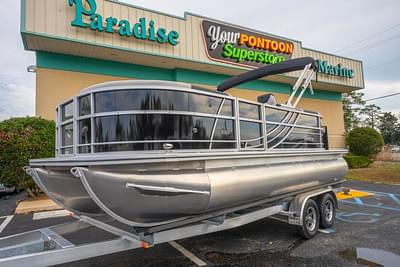
South Bay 220RS LE Rear Seating 275 2025
220RS LE Rear Seating 275 | N/A
May Qualify
 Gulf Shores, AL

Monterey 278SS 2025
N/A
$13,999 cash down
Lancaster, KY
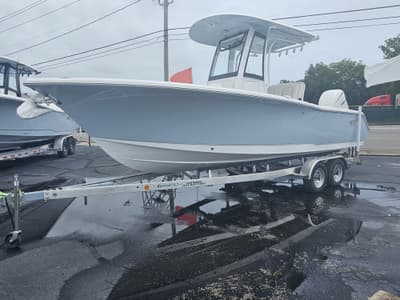
Sea Hunt 245 SE 2027
N/A
$14,537 cash down
Fort Walton Beach, FL

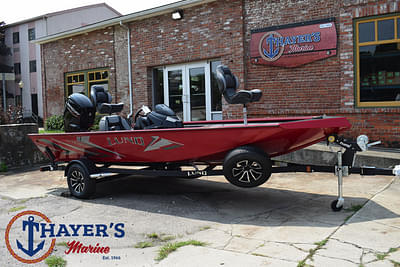
Lund 1775 Renegade SS 2025
1775 Renegade SS | N/A
$3,000 cash down
Norwich, CT


Copyright © 2026 Boatzon™. All Rights Reserved