




Electric Pontoon Boats
Leading Manufacturers Going Green

Electric Pontoon Boats
The marine industry stands at an electric crossroads, with pontoon manufacturers leading the charge toward sustainable boating. While electric propulsion once meant compromising performance for environmental consciousness, today's electric pontoons deliver impressive range, whisper-quiet operation, and zero-emission boating without sacrificing the pontoon experience.
This transformation reflects broader shifts in both technology and boater preferences. Younger buyers increasingly prioritize environmental responsibility, while established boaters discover the operational advantages of electric propulsion in quiet lakes and environmentally sensitive areas. The result is an emerging market segment that combines innovation with responsibility.
Quick Answer: Top Electric Pontoon Options
Market Leaders:
- Princecraft Brio Electric Series - Dedicated electric platform with Torqeedo systems
- X Shore Eelex Series - Premium Swedish electric pontoons
- Vision Marine ePontoon - North American electric specialist
- Aqua Watt - Custom electric conversions and purpose-built models
Hybrid Options:
- Several traditional manufacturers offering electric/gas hybrid configurations
Browse electric pontoon options →
The Electric Pontoon Revolution
Electric pontoon adoption accelerated dramatically over the past three years, driven by battery technology improvements and changing consumer preferences. What began as experimental conversions has evolved into purpose-built electric platforms that rival traditional pontoons in capability while surpassing them in operational refinement.
The pontoon platform proves ideal for electric propulsion due to its spacious design and stable hull configuration. Unlike performance boats where electric systems must fit into cramped engine compartments, pontoons offer generous space for battery banks and electric motor installations. This advantage allows electric pontoons to achieve better range and performance than comparable electric boats in other categories.
Battery Technology Advances now provide realistic range for typical pontoon usage patterns. Modern lithium systems deliver 6-10 hours of cruising range, covering most recreational boating needs while recharging overnight for next-day use. Fast-charging capabilities reduce downtime and increase flexibility for extended outings.
Motor Efficiency Improvements mean electric pontoons often outperform their gas counterparts in low-speed efficiency and torque delivery. Electric motors provide instant torque that makes docking and maneuvering easier, while variable speed control offers precise throttle response impossible with traditional engines.
Noise Reduction Benefits transform the boating experience, allowing conversation at normal volumes while underway and preserving the natural sounds of water and wildlife. This advantage particularly appeals to fishing enthusiasts and nature lovers who appreciate undisturbed experiences.
Maintenance Advantages eliminate many traditional boat ownership hassles. No oil changes, winterization requirements, or complex mechanical systems reduce both costs and time commitments while increasing reliability and convenience.
Leading Electric Pontoon Manufacturers
Princecraft leads North American electric pontoon development through their innovative Brio Electric Series. These purpose-built electric pontoons integrate Torqeedo propulsion systems with optimized hull designs and comprehensive battery management systems.
The Brio series offers three power levels ranging from 3.0 to 12.0 kW, equivalent to 6-25 horsepower in traditional terms. While these power levels seem modest compared to gas engines, the instant torque delivery and efficient power application provide surprisingly capable performance for typical pontoon activities.
Princecraft's approach emphasizes practical electric boating rather than attempting to match gas boat performance parameters. Their realistic range estimates, straightforward charging systems, and integrated solar panel options create electric pontoons that work well within their design parameters rather than promising unrealistic capabilities.
The manufacturer's Canadian heritage brings cold-weather expertise that benefits electric systems through advanced battery thermal management and charging system optimization. These considerations prove crucial for electric boat reliability across varied climate conditions.
X Shore represents the premium end of electric pontoon manufacturing with their Swedish-designed Eelex series. These boats combine Scandinavian design aesthetics with advanced electric propulsion technology and luxury appointments that justify premium pricing.
The Eelex pontoons feature integrated touchscreen controls, advanced battery monitoring, and sophisticated power management systems that optimize range and performance automatically. While expensive, these systems deliver electric boating experiences that feel genuinely advanced rather than simply converted from gas platforms.
X Shore's focus on sustainable luxury appeals to environmentally conscious buyers who won't compromise on comfort or performance. Their boats demonstrate that electric propulsion can enhance rather than limit the premium boating experience.
Vision Marine Technologies develops electric propulsion systems specifically for marine applications, including pontoon installations. Their E-Motion electric outboard systems provide powerful, efficient propulsion that can retrofit existing pontoons or integrate into new builds.
The company's modular approach allows customization for different pontoon sizes and usage requirements. Their systems range from 20 to 180 kW, covering everything from small recreational pontoons to commercial applications requiring substantial power.
Vision Marine's technology includes regenerative charging systems that recover energy during deceleration and advanced battery management that maximizes range and longevity. These innovations address key electric boat challenges while providing performance that increasingly rivals traditional propulsion.
Aqua Watt specializes in custom electric pontoon conversions and purpose-built electric models. Their approach allows existing pontoon owners to transition to electric propulsion while offering new buyers fully integrated electric platforms.
The conversion approach proves particularly attractive for pontoon owners who appreciate their current boats but want to eliminate gas engine maintenance and environmental impact. Aqua Watt's systems integrate seamlessly with existing pontoon electrical systems while providing comprehensive electric propulsion.
Their purpose-built models optimize pontoon design for electric propulsion, incorporating battery placement, weight distribution, and charging infrastructure from initial design rather than adapting gas boat layouts for electric systems.
Electric Propulsion Technology Overview
Battery Systems represent the heart of electric pontoon performance, with lithium technologies dominating current installations. Modern lithium batteries provide excellent energy density, rapid charging capabilities, and long service lives that justify their higher initial costs compared to traditional lead-acid alternatives.
Battery placement in pontoons typically utilizes space normally occupied by fuel tanks and associated systems. This centralized placement improves weight distribution while protecting batteries from environmental exposure that can reduce performance and longevity.
Charging Infrastructure varies from simple shore power connections to sophisticated solar panel arrays and regenerative systems. Basic shore charging handles most recreational needs, while solar panels extend range and provide charging independence for extended cruising or remote area use.
Fast-charging capabilities reduce downtime between outings, with some systems providing 80% charge in 2-3 hours. This convenience eliminates range anxiety for typical pontoon usage while providing flexibility for extended recreational periods.
Motor Technologies include both inboard and outboard configurations, each offering distinct advantages. Inboard systems provide quiet operation and weather protection, while outboard systems offer familiar controls and easier maintenance access.
Power delivery characteristics favor electric motors for pontoon applications. Instant torque provides excellent acceleration from standstill, while variable speed control offers precise maneuvering that enhances safety and convenience in crowded waterways.
Control Systems integrate propulsion, battery management, and navigation functions through sophisticated interfaces that provide real-time performance data and range estimation. These systems help optimize electric pontoon operation while preventing battery damage from overuse.
Range and Performance Reality
Real-World Range for electric pontoons typically spans 20-50 mile, depending on battery capacity, speed, and operating conditions. This range covers most recreational boating needs while requiring planning for extended outings or high-speed operation.
Range calculations must consider speed effects, as electric boats show dramatic range variations between cruising and high-speed operation. Efficient cruising speeds typically provide 2-3 times the range of maximum speed operation, encouraging more relaxed boating styles that many find preferable.
Performance Characteristics differ significantly from gas pontoons, with electric models excelling at low-speed efficiency and precise control while trailing in top speed and extended high-power operation. Understanding these trade-offs helps set appropriate expectations for electric pontoon ownership.
Charging Time Requirements vary based on battery capacity and charging system power. Overnight charging handles most recreational needs, while fast-charging systems can provide partial charges during lunch stops or brief shore visits.
Planning electric pontoon use requires considering charging availability and range requirements. However, most pontoon usage patterns fit comfortably within electric capabilities, making range limitations less restrictive than initially apparent.
Environmental Impact and Benefits
Zero Direct Emissions during operation provide immediate environmental benefits, particularly important in sensitive lake ecosystems and areas where gas engine emissions accumulate. This advantage proves especially valuable in enclosed waterways and heavily used recreational areas.
Noise Reduction Benefits extend beyond human comfort to reduce wildlife disturbance and preserve natural soundscapes. Electric pontoons allow closer wildlife observation and more peaceful recreational experiences that many find superior to traditional boating.
Energy Source Considerations affect the overall environmental impact of electric pontoons. Boats charged from renewable energy sources provide maximum environmental benefits, while those using grid power reduce but don't eliminate carbon footprints.
Lifecycle Analysis shows electric pontoons typically provide environmental advantages over gas alternatives when considering manufacturing, operation, and disposal impacts. Battery recycling programs further improve the environmental profile of electric boating.
Water Quality Protection results from eliminating fuel spills, oil leaks, and exhaust emissions that can harm aquatic ecosystems. This benefit particularly matters in drinking water reservoirs and environmentally sensitive areas where boat usage faces increasing restrictions.
Cost Analysis: Electric vs Traditional
Initial Purchase Costs for electric pontoons typically exceed comparable gas models by $15,000-40,000, depending on battery capacity and system sophistication. This premium reflects current battery costs and limited production volumes that increase manufacturing expenses.
Operating Cost Advantages help offset higher purchase prices through eliminated fuel costs, reduced maintenance requirements, and longer service intervals. Electric systems require minimal routine maintenance compared to gas engines that need regular oil changes, tune-ups, and seasonal preparation.
Electricity vs Fuel Costs vary by region but typically favor electric operation significantly. Where gas costs $3-5 per gallon, equivalent electric operation often costs $1-2 per equivalent distance, providing substantial ongoing savings for frequent users.
Maintenance Savings prove substantial over time, as electric systems eliminate most routine engine maintenance while providing more reliable operation. No winterization requirements, oil changes, or complex mechanical systems reduce both costs and time commitments.
Battery Replacement Considerations represent the major long-term cost for electric pontoons. Current lithium batteries typically last 8-12 years with proper care, and replacement costs are decreasing as technology improves and production scales increase.
Resale Value Predictions remain uncertain given the newness of electric pontoon technology. However, increasing environmental consciousness and improving technology suggest electric pontoons may retain value better than traditional models as regulations and preferences shift toward sustainable alternatives.
Charging Infrastructure and Practical Considerations
Home Charging Solutions provide the most convenient electric pontoon ownership experience. Standard shore power connections handle overnight charging needs, while higher-power systems can reduce charging times for frequent users or commercial applications.
Marina Infrastructure varies widely, with progressive marinas installing charging stations while others lack adequate electrical capacity for boat charging. Verifying charging availability becomes crucial for electric pontoon owners planning extended trips or unfamiliar destinations.
Solar Integration offers charging independence and range extension, particularly valuable for anchoring or extended time away from shore power. Modern solar panels provide meaningful charging capacity while integrating cleanly with pontoon deck designs.
Portable Charging Options include generators and mobile charging units that provide flexibility for remote area use or emergency situations. While these solutions compromise some environmental benefits, they offer practical backup options for extended electric pontoon use.
Weather Considerations affect both range and charging, as cold temperatures reduce battery capacity while high heat can limit charging rates. Understanding these factors helps optimize electric pontoon operation across different seasons and climates.
Regulatory and Market Trends
Emission Regulations increasingly favor electric propulsion as jurisdictions implement stricter controls on recreational boat emissions. These regulations often provide electric boats with access advantages or reduced restrictions compared to gas alternatives.
Incentive Programs in some areas provide tax credits, rebates, or reduced registration fees for electric boats. While less common than automotive incentives, marine electrification incentives are expanding as environmental priorities increase.
Marina Policies increasingly favor electric boats through preferential rates, charging infrastructure investment, and sometimes exclusive access areas. These advantages offset some of the practical challenges of electric boat ownership while encouraging adoption.
Technology Development Trends suggest continued improvements in battery technology, charging speed, and system integration. These advances will likely reduce costs while improving the performance and convenience of electric pontoon ownership.
Market Growth Projections indicate electric pontoon sales will increase substantially over the next decade as technology improves and environmental consciousness grows. This growth will likely improve parts availability, service support, and resale values while reducing costs through scale economies.
Choosing Your Electric Pontoon Path
Conversion vs Purpose-Built decisions depend on your current pontoon satisfaction and budget considerations. Conversions work well for owners happy with their boats who want electric benefits, while purpose-built models offer optimized integration and usually better performance.
Power Requirements should match your actual usage patterns rather than theoretical maximum needs. Honest assessment of typical pontoon use often reveals that modest electric systems provide adequate performance while offering better range and lower costs.
Charging Infrastructure Planning requires evaluating your typical boating areas and charging availability. Electric pontoons work best when charging infrastructure matches usage patterns, making this assessment crucial for ownership satisfaction.
Budget Considerations should include both initial costs and long-term savings from reduced operating expenses. While electric pontoons cost more initially, their operating advantages can provide favorable total ownership costs for frequent users.
Future Technology Expectations affect purchase timing decisions. Current electric pontoons provide excellent capability, but rapidly improving technology may favor waiting for next-generation systems if current models don't meet your needs completely.
Ready to Go Electric?
Electric pontoon technology has matured to the point where capable, reliable electric boats provide genuine alternatives to traditional propulsion for many buyers. Whether you're motivated by environmental responsibility, operating cost savings, or simply the refined experience of electric boating, today's options deliver meaningful benefits.
The electric pontoon market will continue evolving rapidly, but current models already provide excellent ownership experiences for buyers whose usage patterns match electric capabilities. Starting with realistic expectations and proper infrastructure planning ensures electric pontoon ownership delivers the benefits that make the technology compelling.
Understanding electric pontoon advantages and limitations helps identify whether this technology fits your boating lifestyle. For buyers ready to embrace sustainable boating without compromising the pontoon experience, electric options now provide compelling alternatives that enhance rather than limit recreational enjoyment.
Ready to explore the future of sustainable pontoon boating? Electric and hybrid pontoons represent significant investments that benefit from strategic financing. Get a pre-qualified pontoon loan to understand your buying power for these innovative boats, then compare options from leading manufacturers to discover how electric propulsion can transform your time on the water while protecting the environment you enjoy. Click here to start your search with Boazon.
Electric Pontoon Quick Reference
Best Range:
- Princecraft Brio 12.0 (up to 10 hours cruising)
- X Shore Eelex models (premium range optimization)
- Vision Marine high-capacity systems
Most Affordable:
- Princecraft Brio 3.0 (entry-level electric)
- Aqua Watt conversion systems
- Used electric pontoons (emerging market)
Premium Features:
- X Shore Eelex (luxury electric integration)
- Vision Marine E-Motion (advanced technology)
- Solar-integrated charging systems
Conversion Options:
- Aqua Watt retrofit systems
- Torqeedo outboard conversions
- DIY electric conversion kits
About This GuideElectric pontoon information reflects current technology and market conditions as of October 2025. Electric boat technology evolves rapidly, and specifications change frequently. Always verify current performance data and availability with manufacturers before making purchase decisions.
Pontoon Boats For Sale

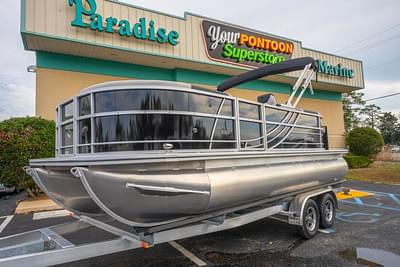
South Bay 220RS LE Rear Seating 275 2025
220RS LE Rear Seating 275 | N/A
$5,628 cash down
 Gulf Shores, AL
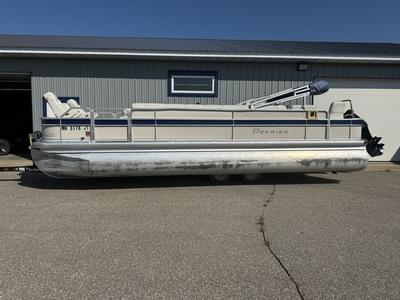

Monterey 278SS 2025
N/A
$13,999 cash down
Lancaster, KY

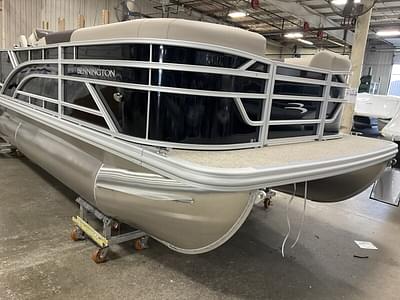
Bennington 20SL YAMAHA T50 2025
N/A
$3,690 cash down
Fergus Falls, MN


Copyright © 2026 Boatzon™. All Rights Reserved