
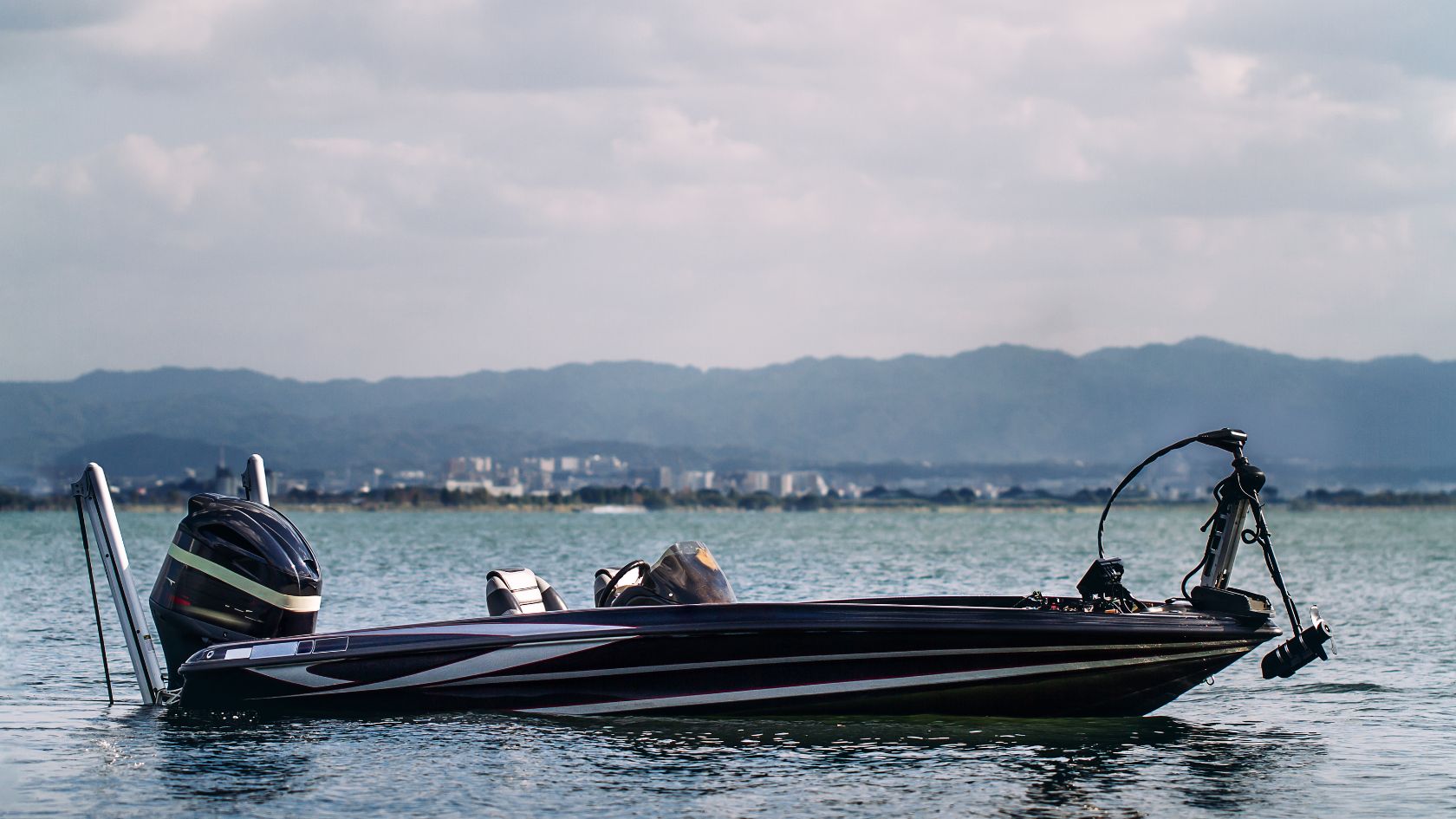
Bass fishing has evolved dramatically from the days when anglers launched simple aluminum johnboats from pickup truck beds to fish local ponds. Modern bass boats represent sophisticated fishing platforms incorporating advanced hull designs, powerful outboards, cutting-edge electronics, and tournament-proven layouts optimized for competitive angling. Today's bass boats achieve speeds exceeding 70 mph, feature livewells maintaining precise water conditions, and integrate fish-finding technology that would have seemed like science fiction to previous generations.
The bass boat market serves diverse buyer profiles from weekend recreational anglers to professional tournament competitors. Entry-level boats start around $20,000, while top-tier tournament rigs easily exceed $80,000 when fully equipped with premium electronics, high-horsepower engines, and custom trailers. Understanding which manufacturers excel at specific price points, construction methods, and fishing applications helps buyers identify boats matching their budgets and fishing styles.
This guide examines nine manufacturers whose bass boats represent different approaches to the category. Some builders focus on aluminum construction offering durability and value, while others specialize in high-performance fiberglass boats designed for tournament competition. A few manufacturers span both materials, providing options across price ranges. Understanding each company's philosophy, construction quality, and target customer creates the foundation for informed purchasing decisions.
Understanding Bass Boat Construction: Fiberglass vs. Aluminum
Before examining specific manufacturers, understanding the fundamental differences between fiberglass and aluminum construction helps buyers identify which material suits their fishing scenarios and priorities.
Fiberglass Bass Boats: Performance and Versatility
Fiberglass construction allows complex hull shapes incorporating aggressive deadrise angles, strakes, and running surfaces optimized for speed and rough-water performance. These design freedoms create boats that plane quickly, run efficiently at high speeds, and remain stable in choppy conditions common on large reservoirs. Fiberglass boats typically weigh more than comparable aluminum models, increasing draft but improving stability and providing a more planted feel at speed.
The material integrates storage compartments, livewells, and deck structures during manufacturing, creating clean installations without visible fasteners or seams. Fiberglass accepts virtually any gel coat color or custom graphics, enabling distinctive appearances that matter to anglers who view boats as expressions of personal style. Modern fiberglass bass boats incorporate composite stringers, foam flotation, and advanced resin systems producing strong, durable structures.
However, fiberglass costs more to manufacture, pushing purchase prices higher than aluminum alternatives. Impact damage requires professional repair using specialized materials and techniques, creating higher maintenance costs. Gelcoat maintenance demands regular waxing to prevent oxidation and maintain appearance. Despite these considerations, serious tournament anglers overwhelmingly choose fiberglass for its performance advantages.
Aluminum Bass Boats: Durability and Value
Aluminum construction delivers exceptional durability at lower price points, making these boats popular among recreational anglers and those fishing waters where durability outweighs ultimate performance. All-welded aluminum hulls withstand impacts that would damage fiberglass, suffering dents rather than catastrophic cracks. Repairs are typically straightforward and affordable, often requiring only hammer work or simple welding rather than expensive composite layups.
Lighter weight provides multiple advantages such as easier trailering, better fuel economy, and ability to navigate extremely shallow water where heavier fiberglass boats can’t venture. The reduced draft opens access to productive backwater areas and shallow coves that hold bass during certain seasons. Aluminum requires minimal maintenance beyond regular washing, as the material doesn’t oxidize or require waxing like gelcoat.
The tradeoffs include less refinement in rough water, with aluminum boats tending to slap and pound in chop where fiberglass hulls cut through more smoothly. Top speeds are typically lower, and the boats feel less stable at high velocity. For anglers fishing small to medium lakes, rivers, or protected waters where extreme performance isn’t necessary, aluminum delivers excellent value and decades of reliable service.
Ranger Boats: The Bass Boat Standard
Ranger Boats has dominated the bass boat market since 1968, building their reputation on innovation, quality construction, and tournament-proven performance. The company produces both fiberglass and aluminum models, providing options across price ranges while maintaining the fit and finish that made Ranger synonymous with premium bass boats. Professional anglers have won more major tournaments in Ranger boats than any other brand, validating the company’s performance credentials.
The fiberglass lineup includes eleven models ranging from 18’8″ to 21’9″, with the Z520 and Z521 representing flagship tournament boats used by professionals nationwide. These models feature composite construction, sophisticated hull designs delivering smooth rides and impressive speeds, and standard equipment packages that would be options on competitors’ boats. Ranger’s attention to detail shows in precise gelcoat work, quality hardware installations, and thoughtful deck layouts reflecting input from tournament anglers.
Ranger’s aluminum lineup includes six models with all-welded construction and foam-filled hulls providing positive flotation. These boats maintain Ranger’s quality standards while offering more accessible price points. The aluminum models work particularly well for anglers fishing rivers, smaller lakes, or waters where durability takes priority over ultimate speed. Construction quality in aluminum Ranger boats exceeds many competitors, with clean welds, proper drainage, and deck layouts rivaling fiberglass models.
Standard features across Ranger boats include quality Minn Kota trolling motors, Lowrance electronics, comfortable seating with ample storage, and well-designed livewells maintaining proper water conditions. The boats come with custom-matched trailers featuring smooth-riding torsion axles and convenient loading features. Ranger backs products with strong warranties and maintains extensive dealer networks providing parts and service support.
Pricing for Ranger boats reflects their premium positioning. Aluminum models start around $30,000, while fiberglass boats begin near $50,000 and climb past $85,000 for fully equipped tournament rigs with maximum horsepower and premium electronics. The investment buys proven performance, excellent resale values, and construction quality that stands up to years of hard use. For buyers prioritizing quality over lowest price, Ranger represents safe choices backed by decades of proven performance.
Shop Ranger Boats for sale on Boatzon
Skeeter Boats: Tournament-Proven Excellence
Skeeter Boats approaches its 75th anniversary with a reputation for building high-performance fiberglass bass boats favored by serious tournament anglers. The company has won the Excellence in Customer Satisfaction award for fiberglass outboard boats 22 consecutive years, reflecting commitment to quality and owner support. Skeeter focuses exclusively on fiberglass construction, offering models in the FXR, ZXR, and ZX series ranging from 18’6″ to 21’4″.
Construction quality represents Skeeter’s strongest selling point. The boats employ advanced composite materials, sophisticated manufacturing processes, and quality control that produces consistent results across production runs. Hull designs incorporate years of tournament feedback, creating running surfaces that balance speed with rough-water capability. The boats plane quickly, run efficiently at cruise speeds, and remain stable during aggressive maneuvering. Top speeds on high-horsepower models exceed 75 mph, though most anglers cruise at more moderate velocities.
Standard equipment on Skeeter boats includes premium components that competitors often charge extra to install. Minn Kota trolling motors, Lowrance electronics with preloaded maps, hydraulic jack plates, and quality sound systems come standard on most models. Seating is comfortable with proper back support, storage is abundant and well-organized, and deck layouts facilitate efficient fishing. The attention to detail extends to small touches like recessed tie-downs, integrated rod storage, and properly sized livewells.
The company’s focus on tournament fishing shows in features like multiple rod storage locations, conveniently positioned graph displays, and deck layouts allowing two anglers to fish simultaneously without interference. Many professional anglers run Skeeter boats, providing real-world validation of performance and durability claims. The boats hold up well under the punishment of 200+ days on the water annually, a testament to construction quality.
Pricing reflects Skeeter’s premium positioning, with boats starting around $55,000 and climbing past $90,000 when equipped with 250+ horsepower engines and full electronics packages. This investment level puts Skeeter in direct competition with Ranger, Triton, and other top-tier manufacturers. Buyers choosing Skeeter value the customer service reputation, proven tournament performance, and construction quality, justifying premium prices. Strong resale values help offset initial costs, as used Skeeters maintain value better than many competitors.
Shop Skeeter Boats for sale on Boatzon
Triton Boats: Innovation and Performance
Triton Boats builds high-end fiberglass bass boats from its Arkansas facility, focusing on tournament-class performance and innovative features. The company’s boats range from 18’6″ to 21′, with models designed specifically for competitive bass fishing. Triton’s newest offering, the 20XP Patriot, achieves speeds exceeding 70 mph, demonstrating the performance focus that defines the brand. The boats are available in fourteen different color and trim packages with custom-matched trailers.
Hull design represents Triton’s primary innovation focus. The company employs sophisticated computer modeling and extensive on-water testing to develop running surfaces optimizing speed, fuel efficiency, and rough-water handling. The hulls incorporate aggressive strakes, properly positioned lifting surfaces, and carefully tuned deadrise angles that work together producing impressive performance. Tritons are known for exceptional hole shots, stable high-speed handling, and comfortable rides in choppy conditions.
Construction quality matches the performance focus, with hand-laid fiberglass, composite stringers, and extensive foam flotation creating strong, durable structures. The company uses quality resins and proper lamination schedules, producing consistent strength throughout the hull. Gelcoat work is excellent, hardware installations are clean, and deck structures are properly reinforced. Triton boats hold up well under tournament use, maintaining structural integrity after years of hard running.
Standard equipment packages include quality fish finders, trolling motors, hydraulic jack plates, and comfortable seating. Storage is generous with multiple compartments sized for typical bass fishing gear. Livewells are properly designed with adequate capacity and circulation. The boats feel well thought out rather than having features added randomly without considering how anglers actually fish.
Triton’s position in the market sits alongside Ranger and Skeeter as premium tournament boats commanding premium prices. New Tritons start around $50,000 and climb past $85,000 for fully equipped models. The company maintains strong followings in specific regions, particularly the South and Midwest where bass tournament culture runs deep. Buyers choosing Triton appreciate the performance focus, innovative features, and construction quality justifying the investment.
Get pre-financing for Triton Boats on Boatzon
Bass Cat Boats: Custom-Quality Tournament Rigs
Bass Cat Boats has operated since 1971 as a low-volume manufacturer building custom-quality tournament bass boats for discriminating anglers. The company deliberately maintains limited production, creating boats that feel more like custom builds than mass-produced products. This approach results in higher prices but delivers exceptional quality and features not found on competitors’ standard equipment lists. Bass Cat offers boats in Premium, Advantage, and Vision lines, with lengths ranging from 17’7″ to 22′.
The custom-build approach means buyers can specify virtually every aspect of their boats, from hull colors and graphics to equipment selections and deck layouts. This flexibility appeals to professional anglers and serious hobbyists who want boats tailored to their specific fishing styles and preferences. Bass Cat accommodates special requests that larger manufacturers would refuse, creating truly personalized fishing platforms.
Construction quality exceeds most competitors through meticulous attention to detail and use of premium materials throughout. The boats employ hand-laid fiberglass with carefully controlled resin ratios, producing strong laminates without excess weight. Stringers are composite rather than wood, eliminating rot concerns. Foam flotation is extensive, and through-hull installations receive proper bedding and reinforcement. Gelcoat work is flawless, with sharp lines and consistent coverage free from the imperfections that plague lesser builders.
Standard equipment on Bass Cat boats includes features that competitors charge thousands extra to install. The boats come with premium electronics packages, high-end trolling motors, hydraulic jack plates, and sophisticated electrical systems. Seating is custom-upholstered with quality materials and comfortable designs. The deck layouts reflect years of tournament experience, positioning storage and features where they’re actually needed rather than where they fit conveniently during manufacturing.
Bass Cat backs boats with lifetime transferable structural warranties, demonstrating confidence in construction quality and providing peace of mind for buyers investing $60,000 to $100,000+ in tournament rigs. The lifetime warranty maintains value during resale, as buyers of used Bass Cats inherit the structural coverage. This represents substantial value compared to competitors offering three to five-year limited warranties.
The premium pricing and limited availability create somewhat exclusive reputations that appeal to anglers wanting boats that stand apart from the crowd. Bass Cat maintains devoted followings among professional anglers and serious tournament competitors who demand the absolute best and don’t mind paying for it. Resale values remain strong due to limited supply and excellent reputations.
Shop Bass Cat Boats for sale on Boatzon
Crestliner Boats: Aluminum Durability Leaders
Crestliner has earned a reputation as an industry leader in aluminum fishing boats through decades of building durable, well-designed boats for sportsmen. The company specializes in all-welded aluminum construction featuring interlocking designs, work-hardened sidewalls, double-welded all-metal transoms, and proprietary hull designs producing some of the most durable aluminum boats available. Crestliner offers several bass boat models ranging from 16 to 21 feet, with engine options from 20 to 250 horsepower.
Construction quality sets Crestliner apart in the aluminum category. The all-welded approach eliminates rivets that can loosen or leak over time, creating monolithic structures that withstand hard use and impacts. The interlocking construction technique increases strength while reducing weight compared to conventional methods. Work-hardened aluminum resists denting better than standard alloys, extending the boats’ service lives. Double-welded transoms handle high-horsepower engines without flex or failure.
Hull designs incorporate thoughtful features improving performance and fishability. The boats include proper drainage systems preventing water accumulation, multiple storage compartments sized for typical fishing gear, and deck layouts facilitating efficient angling. Casting decks are properly sized and positioned, seating is comfortable with adequate storage beneath, and livewells maintain proper water conditions. The boats feel well-engineered rather than generic aluminum fishing boats with bass boat features added as afterthoughts.
Crestliner backs products with lifetime limited warranties on main seam welds and three-year stem-to-stern manufacturer’s warranties, demonstrating confidence in construction quality. The warranty coverage provides peace of mind and maintains resale values, as buyers of used Crestliners benefit from remaining warranty coverage. This represents substantial value compared to competitors offering minimal warranty protection.
Pricing for Crestliner bass boats starts around $25,000 and ranges to $45,000 for larger models with higher horsepower options. This positions Crestliner competitively against other quality aluminum manufacturers while maintaining construction quality that justifies the investment. The boats appeal to anglers prioritizing durability and longevity over ultimate performance, particularly those fishing rivers, small lakes, or waters where aluminum’s toughness matters more than fiberglass’s speed advantages.
Shop Crestliner Boats for sale on Boatzon
Lund Boats: Proven Reliability Since 1948
Lund represents one of the oldest and most respected names in boat building, operating since 1948 and known for durable, reliable products emphasizing practical utility over flashy styling. The company manufactures both aluminum and fiberglass boats, with bass boat lines including the Pro-V Bass XS tournament series and the more affordable Renegade lineup. Sizes range from 17’9″ to 20’10”, providing options for different budgets and fishing applications.
The company’s longevity reflects a commitment to quality construction and conservative designs that prioritize reliability over cutting-edge innovation. Lund boats don’t typically lead the market in performance or styling trends, but they deliver dependable service over decades of use. This approach appeals to anglers who view boats as long-term tools rather than fashion statements or performance machines requiring constant upgrades.
Aluminum models feature all-welded construction with thoughtful engineering producing strong, leak-free hulls. The boats include proper flotation, drainage systems preventing water accumulation, and corrosion-resistant components extending service lives. Fiberglass models employ conventional construction methods proven over decades, avoiding experimental techniques that might create unknown long-term issues. The conservative approach may seem boring to some buyers but creates boats that consistently perform as expected without surprises.
Standard equipment emphasizes practicality over premium features, with functional electronics, adequate trolling motors, and comfortable seating without luxury appointments. Storage is generous and well-organized, livewells work reliably, and deck layouts facilitate efficient fishing. The boats feel utilitarian in the best sense, providing everything needed for successful fishing without unnecessary complexity or features that add cost without improving fish catching.
Pricing reflects Lund’s positioning in the middle market, with aluminum models starting around $28,000 and fiberglass boats beginning near $40,000. Top-end tournament models reach $65,000 when fully equipped. This pricing undercuts premium manufacturers while maintaining construction quality justifying the investment over budget brands. Lund appeals to practical buyers who want reliable boats that won’t depreciate rapidly or require constant repairs.
Shop Lund Boats for sale on Boatzon
Lowe Boats: Affordable Aluminum Excellence
Lowe builds exclusively aluminum boats across multiple product lines serving anglers, hunters, recreational boaters, and utility users. The bass boat lineup includes the economical Skorpion series with three models ranging from 16 to 17 feet, and the upgraded Stinger line featuring four models from 17’7″ to 19’9″. The company is known for delivering quality construction at accessible price points, making boat ownership possible for buyers who can’t afford premium brands.
The focus on affordability doesn’t mean compromised quality. Lowe uses all-welded aluminum construction, proper flotation, and thoughtful designs producing boats that perform well for their price points. The boats won’t match premium manufacturers in refinement or features, but they provide reliable fishing platforms serving recreational anglers effectively. Construction quality is adequate with clean welds, functional deck layouts, and components chosen for value rather than premium performance.
Skorpion models represent entry-level bass boats ideal for beginners or anglers with limited budgets. These boats include basic features supporting productive fishing without unnecessary complexity or cost. Stinger models step up with better equipment, more refined hulls, and features approaching mid-range competitors. The progression allows buyers to choose boats matching their experience levels and budgets without feeling forced into expensive models they don’t need.
Standard equipment on Lowe bass boats includes functional trolling motors, basic fish finders, comfortable seating, and adequate storage. The boats are reasonably equipped for fishing without premium features that dramatically increase costs. Buyers can add options improving capability, but base boats provide everything essential for catching bass. This approach keeps entry prices low while allowing customization for those wanting upgraded components.
Pricing represents Lowe’s strongest selling point, with Skorpion models starting around $18,000 and Stinger boats ranging from $22,000 to $35,000. These prices open bass boat ownership to buyers who would otherwise purchase used boats or settle for general-purpose fishing boats. The value proposition makes sense for weekend anglers, those new to bass fishing, or buyers who fish occasionally rather than obsessively. Lowe delivers honest boats at honest prices without pretending to compete with premium manufacturers.
Xpress Boats: All-Welded Aluminum Versatility
Xpress has built its reputation on all-welded aluminum boats serving multiple fishing specialties that include bass, crappie, and catfish, plus boats for hunting and general utility. The bass boat lineup includes the Xclusive Pro Bass Series and Hyper Lift lines ranging from entry-level to tournament-class models in lengths from 17 to 21 feet. The company offers properly equipped boats with attractive standard features and extensive option lists allowing customization without forcing buyers to accept packages they don’t want.
All-welded construction throughout the lineup creates durable, leak-free hulls handling hard use and impacts without catastrophic failures. The boats feature proper flotation, drainage systems, and corrosion-resistant components extending service lives beyond many competitors. Xpress uses quality aluminum alloys and proper welding techniques producing strong joints that won’t fail under normal use. Construction quality sits solidly in the middle of the aluminum market, exceeding budget brands while remaining below premium manufacturers.
Standard equipment represents good value with functional trolling motors, capable fish finders, comfortable seating, and adequate storage. The boats come reasonably equipped for fishing without requiring immediate upgrades or additions. Option lists include attractive features like blinker trim control, premium sound systems, upgraded electronics, and comfort features. This approach allows buyers to build boats matching their specific needs rather than accepting predetermined packages.
Hull designs deliver adequate performance for recreational fishing and entry-level tournament competition. The boats plane reasonably quickly, cruise efficiently, and handle moderate chop acceptably. They don’t match the refined performance of premium fiberglass boats but serve their intended purposes effectively. For anglers fishing small to medium lakes where extreme performance isn’t necessary, Xpress boats provide entirely adequate capability.
Pricing positions Xpress competitively in the aluminum market, with boats starting around $22,000 and ranging to $40,000 for tournament-equipped models. This creates good value for buyers wanting quality aluminum boats without paying premium prices. The boats appeal to practical anglers prioritizing durability and value over ultimate performance or luxury features.
Shop Xpress Boats for sale on Boatzon
Tracker Boats: Volume Leader in Affordable Bass Boats
Tracker has become the leading seller of all-welded aluminum bass boats nationally by offering extensive selection at very affordable prices with attractive standard features. The lineup includes six modified-V bass boats ranging from 16’8″ to 18’7″, all equipped with Minn Kota trolling motors, Lowrance color fish finders, and pedestal seats at bow and stern. Partnerships with Bass Pro Shops and Cabela’s Boating Centers provide extensive dealer networks and convenient access for buyers.
The volume-production approach keeps prices low through economies of scale and efficient manufacturing. Tracker builds boats in higher quantities than boutique manufacturers, spreading fixed costs across more units and negotiating better component pricing from suppliers. This efficiency translates to lower retail prices without necessarily compromising quality. The boats are adequately constructed using all-welded aluminum, proper flotation, and functional components.
Standard equipment represents excellent value for the price point. The included Minn Kota trolling motors, Lowrance electronics, and pedestal seating would cost thousands if purchased separately. Buyers get functional fishing platforms ready to use without immediate upgrades. The boats include adequate storage, properly sized livewells, and deck layouts supporting efficient fishing. They’re not fancy or loaded with premium features, but they provide everything essential for catching bass.
Construction quality is adequate for the price point without matching premium manufacturers. The boats feature clean welds, functional designs, and components chosen for value. They’re built to sell at specific price points rather than achieving ultimate quality or performance. For buyers prioritizing affordability over refinement, this represents an acceptable compromise. The boats serve recreational anglers effectively, particularly those fishing frequently enough to justify boat ownership but not competing in serious tournaments.
Pricing represents Tracker’s primary appeal, with boats starting around $16,000 and ranging to $28,000 for larger, better-equipped models. These prices make bass boat ownership accessible to buyers who couldn’t afford premium brands. The value proposition makes sense for beginners, casual anglers, or those on strict budgets. Tracker delivers functional fishing platforms at prices that won’t prevent owners from affording fuel, tackle, and tournament entry fees.
Choosing the Right Bass Boat and Manufacturer
Selecting among these manufacturers requires an honest assessment of your fishing style, budget, and priorities regarding performance versus value. Tournament anglers competing seriously should invest in boats from Ranger, Skeeter, Triton, or Bass Cat that provide the performance and features needed to compete effectively. These premium boats cost substantially more but deliver capabilities justifying the investment for serious competitors.
Recreational anglers fishing for enjoyment rather than competition have more flexibility. Fiberglass boats from mid-range manufacturers provide good performance and features without premium prices. Aluminum boats from Crestliner, Lund, or Xpress deliver excellent value and durability for anglers who don’t need maximum speed or sophisticated features. Budget-conscious buyers find Lowe and Tracker boats offering basic bass boat capability at accessible prices.
Geographic location and typical fishing waters influence material selection. Large reservoirs, bays, and big rivers favor fiberglass boats offering speed and rough-water capability. Small to medium lakes, rivers, and protected waters work well with aluminum boats providing durability and shallow-water access. Extreme shallow water and rocky rivers strongly favor aluminum’s ability to withstand impacts without catastrophic damage.
Frequently Asked Questions
What is the best bass boat brand?
No single manufacturer is “best” for all buyers, as different brands excel in specific areas. Ranger, Skeeter, and Triton represent the most popular premium fiberglass boats among tournament anglers, offering proven performance and quality construction. For aluminum boats, Crestliner and Lund provide excellent durability and value. Budget-conscious buyers find good options from Tracker and Lowe. Choose manufacturers aligning with your budget, fishing style, and priorities regarding performance versus value.
How much does a good bass boat cost?
Quality bass boats range from approximately $18,000 for entry-level aluminum models to over $100,000 for fully equipped tournament fiberglass rigs. Most recreational anglers find suitable boats between $25,000 and $50,000. Used bass boats offer more accessible entry points, with three to five-year-old boats from quality manufacturers available in the $15,000 to $35,000 range. Factor ongoing costs including fuel, maintenance, storage, insurance, and upgrades when budgeting for bass boat ownership.
Should I buy a fiberglass or aluminum bass boat?
Fiberglass boats provide better performance, higher speeds, smoother rides in rough water, and more refined features, but they cost more and require more maintenance. Aluminum boats offer exceptional durability, lower purchase prices, easier repairs, shallow-water access, and lower maintenance requirements, but they sacrifice ultimate performance and refinement. Choose fiberglass for large waters requiring speed and rough-water capability, or aluminum for durability, value, and shallow-water fishing.
What size bass boat should I buy?
Most bass anglers find 18 to 20-foot boats ideal for versatility, providing adequate fishing space and storage while remaining trailerable and manageable. Smaller 16 to 17-foot boats work well for solo anglers or those fishing small waters, while 21-foot models accommodate larger crews and provide more features. Consider your typical fishing scenarios, how many people usually fish together, and your towing vehicle’s capacity when selecting size.
How fast do bass boats go?
Bass boat speeds vary dramatically based on construction, hull design, and power. Entry-level aluminum boats typically achieve 35 to 45 mph, while mid-range models reach 50 to 60 mph. High-performance fiberglass tournament boats exceed 70 mph with maximum horsepower. However, most fishing occurs at slow speeds or while stationary, making top speed less important than hole shot, fuel efficiency, and rough-water handling for typical use.
Do I need a 250 hp engine on my bass boat?
Maximum horsepower isn’t necessary for all buyers. Smaller boats under 18 feet perform well with 150 to 200 hp, providing adequate speed while improving fuel economy. Larger boats benefit from 225 to 250 hp, particularly when running long distances or in rough conditions. Tournament anglers often choose maximum-rated horsepower for competitive advantages, but recreational anglers save money on purchase price and fuel costs with moderate power levels that still provide enjoyable performance.
What should I look for when buying a used bass boat?
Inspect transom and hull for soft spots indicating moisture intrusion or structural damage. Verify engine hours and service history, as bass boat engines often accumulate hours quickly. Check livewell systems for proper operation and leaks. Examine gelcoat or aluminum for damage requiring repair. Test all electronics, trolling motors, and accessories. Verify clean title without liens. Consider professional marine surveys on boats over $20,000 to identify hidden problems before purchase.
How much does it cost to maintain a bass boat?
Annual maintenance costs vary based on usage, storage method, and boat size. Budget approximately $1,500 to $3,000 annually for engine service, battery replacement, trolling motor maintenance, and repairs. Add storage costs if using marinas, insurance premiums averaging 1% to 2% of boat value, and fuel costs that easily exceed $1,000 for active anglers. Tournament anglers spend substantially more on upgrades, electronics, and increased fuel consumption. Total annual costs often range from $3,000 to $8,000+ depending on usage patterns.
Conclusion
The bass boat market offers exceptional variety serving anglers from budget-conscious beginners to professional tournament competitors. Each manufacturer brings distinct strengths. Ranger and Skeeter deliver premium tournament performance, Bass Cat provides custom quality, while Crestliner and Lund offer durable aluminum options. Lowe, Xpress, and Tracker create accessible entry points for buyers prioritizing value. Triton innovates with performance focus appealing to serious anglers.
For buyers ready to explore options, researching bass boats for sale through Boatzon provides access to inventory from multiple manufacturers. The platform simplifies the buying process through integrated boat financing options and delivery coordination. Whether targeting your first bass boat or upgrading from a previous model, these nine manufacturers represent the category’s strongest options for bass fishing in 2025.
Disclaimer: Pricing, specifications, and model availability mentioned in this article reflect information current as of publication and may change without notice. Buyers should verify details directly with manufacturers or authorized dealers before making purchase decisions.