
TL;DR: A wet slip usually posts the highest sticker price, but dry stack often wins once you add up bottom paint, cleanings, and mechanical wear you avoid by keeping the hull out of the water.
The choice between a wet slip and dry storage is really a math problem hiding behind a lifestyle question. A wet slip keeps your boat in the water, ready to go the moment you step aboard. Dry storage, whether that means a covered rack at a marina or a trailer in your driveway, keeps the hull out of the water between trips. Each option carries a monthly cost, but the sticker price only tells part of the story. The real number includes maintenance you either pay for or avoid, and that is where owners get surprised.
Most people compare the headline rent and stop there. That is a mistake, because the water itself generates costs that dry storage sidesteps entirely. Once you run the full comparison, the cheaper-looking option is not always the one that saves you money over a season.
The three storage options and what they cost
Storage comes in three broad forms, and the price gaps between them are significant. Understanding what each one actually includes helps you compare apples to apples instead of just staring at monthly rent.
Wet slips
A wet slip is the most convenient option because your boat floats in a marina berth and you simply untie and go. That convenience comes at a premium, and slip fees vary widely by region, amenities, and boat length. In desirable coastal markets, an annual slip can run into the thousands, and prime locations command waiting lists. You are paying for immediate access and a home base with power, water, and often a fuel dock nearby.
The catch is what sitting in the water does to a hull. Continuous immersion invites marine growth, which means antifouling bottom paint, periodic bottom cleanings, and more frequent attention to zincs and through-hull hardware. None of that shows up in the slip fee, but all of it lands on your maintenance bill.
Dry stack storage
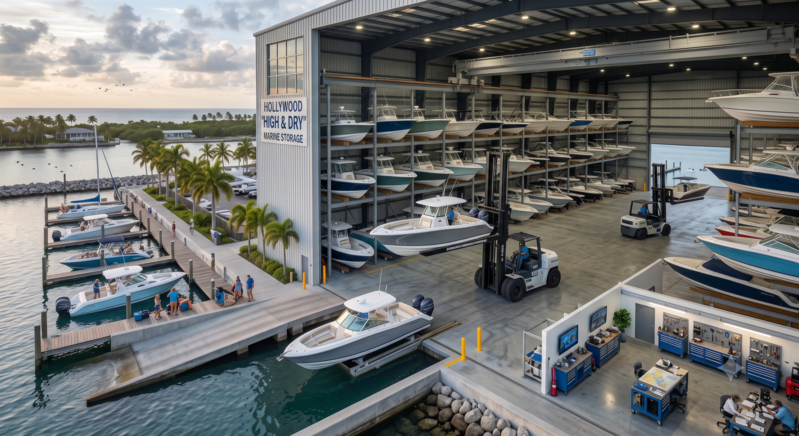
Dry stack storage keeps your boat on a rack inside or under a marina structure, and a forklift launches it when you call ahead. According to BoatUS, an increasing number of boats are stored ashore on dry storage racks, a solution marinas have used since the 1950s. The rent often lands in the same neighborhood as a wet slip, and sometimes below it, but the real advantage is what you stop paying for.
A boat that lives out of the water needs far less bottom work. You skip most bottom painting, you cut cleanings dramatically, and you reduce the slow mechanical wear that comes from constant immersion. Those savings are easy to overlook because they are spread across the year, but they add up to real money.
Trailer and home storage
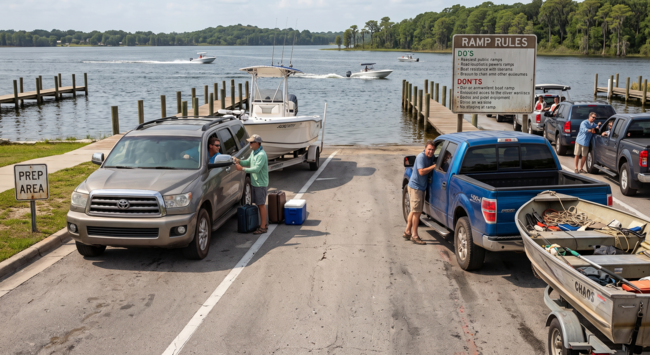
Keeping the boat on a trailer at home is the cheapest option by a wide margin, often a fraction of any marina fee or free if you already have the space. You trade convenience for savings, since every outing starts with hitching up and a trip to the ramp. For trailerable boats used a few times a month, this math is hard to beat, especially once you factor in the maintenance you avoid.
The tradeoff is time and effort, plus the need to keep your trailer and tow vehicle in good shape. Fresh bunk carpet, working lights, and a reliable winch make home storage practical, and you can find marine accessories and parts to keep the whole setup ready between trips.
The hidden numbers that flip the comparison
Here is where the decision gets interesting. Marina rent is the visible cost, but immersion-driven maintenance is the hidden one, and it can be substantial for a boat kept in a wet slip.
Antifouling bottom paint is not a one-time expense. Depending on your waters and the paint you choose, a full bottom job runs into the thousands and needs redoing on a cycle. Add regular diver cleanings during the season, more frequent zinc replacements, and the wear that immersion puts on running gear, and the wet-slip boat quietly accumulates costs the dry-stored boat never sees. A dry-stack or trailered boat skips almost all of it.
That is why the math often flips. A wet slip might cost about the same per month as a dry rack on paper, yet cost noticeably more once you fold in bottom maintenance. Over several seasons, the gap compounds. The convenience of stepping onto a floating, ready-to-go boat is real and worth something, but you should price that convenience honestly rather than pretend it is free.
A simple way to run your own numbers
To compare fairly, add up four categories for each option: monthly rent times twelve, annual bottom paint amortized across its lifespan, seasonal cleanings and zincs, and any launch or haul-out fees. Do that for a wet slip and a dry rack side by side and the winner usually becomes obvious for your specific boat and region. Bigger boats in warm saltwater tilt the math hard toward dry storage, because growth is aggressive and bottom jobs are expensive.
How your boat and habits change the answer
There is no universal winner, because the right choice depends on your boat and how you use it. A large cruiser that is impractical to trailer belongs in a slip or a dry stack, and for that owner the comparison is mostly slip versus rack. A trailerable runabout used on weekends is almost always cheapest at home, and the ramp trip is a minor tax on real savings.
Location matters too. Warm saltwater accelerates growth and corrosion, which raises the cost of keeping a boat wet and strengthens the case for dry storage. Cold freshwater is gentler on a hull, narrowing the gap. Your usage frequency is the other lever: if you boat several times a week, the convenience of a wet slip may justify the extra maintenance, while an occasional boater rarely gets their money’s worth from a floating berth.
Storage choice also touches insurance, since where and how you keep your boat factors into risk. It is worth taking a moment to compare boat insurance coverage against your actual storage plan, because a boat on a rack or trailer can carry a different risk profile than one exposed in an open slip during storm season.
Making the call
Run the full math before you sign a marina contract. The wet slip that looks comparable on rent can cost meaningfully more once bottom maintenance enters the picture, while dry stack quietly saves you money by keeping the hull clean and dry. Home storage wins on pure cost for anyone with a trailerable boat and the space to keep it.
Whatever you decide, factor storage into the buying decision itself. A boat you can trailer opens up the cheapest storage option, while a larger vessel locks you into marina fees for its whole life with you. If you are still shopping, weigh storage cost alongside purchase price as you browse boats for sale on Boatzon, because the sticker is only the beginning of what a boat costs to keep.
FAQ
Is a wet slip or dry storage cheaper?
On monthly rent alone, dry stack and wet slips are often comparable, with home trailer storage far cheaper than either. Once you add immersion-driven maintenance like bottom paint and cleanings, dry storage usually costs less overall because the hull stays out of the water and avoids marine growth.
Why does keeping a boat in the water cost more to maintain?
A hull sitting in water attracts marine growth, which requires antifouling bottom paint, regular cleanings, and more frequent zinc and hardware attention. These costs are separate from your slip fee, so a wet-slipped boat accumulates maintenance expenses that a dry-stored boat largely avoids.
What is dry stack storage?
Dry stack storage keeps your boat on a rack inside or under a marina structure, and staff use a forklift to launch and retrieve it when you call ahead. It combines much of the convenience of a marina with the maintenance savings of keeping the hull out of the water between uses.
Is home trailer storage worth the hassle?
For trailerable boats used a few times a month, home storage is usually the best value by a wide margin. You trade the convenience of a ready-to-go berth for significant savings, and you avoid most immersion-related maintenance. The main requirements are space and a well-maintained trailer.
Does storage type affect boat insurance?
Yes. Insurers consider where and how you store your boat when assessing risk, so a boat kept on a rack or trailer can carry a different premium than one left in an open slip, particularly in storm-prone regions. It is worth quoting your policy based on your actual storage plan.
Does saltwater change the storage math?
Significantly. Warm saltwater accelerates marine growth and corrosion, which raises the cost of keeping a boat wet and pushes the math toward dry storage. Cold freshwater is easier on a hull, so the savings from dry storage are smaller though still real.
How do I compare storage costs accurately?
Add four categories for each option: annual rent, bottom paint amortized over its lifespan, seasonal cleanings and zincs, and any launch or haul-out fees. Comparing these totals side by side, rather than just the monthly rent, reveals which option actually costs less for your boat and region.