




Pontoon Boat Financing Guide
Best Loan Options


Discover The Best Option For You
Financing a pontoon boat has never been more accessible, but the sheer number of options can overwhelm even experienced buyers. From promotional manufacturer rates to traditional marine loans, understanding which financing path works best for your situation saves money and simplifies the buying process.
The key lies in comparing multiple lenders simultaneously while understanding how pontoon-specific factors like depreciation rates, seasonal usage, and insurance requirements affect loan terms. Modern financing platforms make this comparison effortless, often delivering pre-approval in minutes rather than the weeks traditional boat loan shopping required.
Pontoon Boat Financing Guide
Quick Answer: Best Pontoon Financing Options
For New Pontoons:
- Manufacturer promotional financing (often 0-4.99% APR for qualified buyers)
- Marine specialist lenders offering competitive rates through comparison platforms
- Secured loans using the pontoon as collateral for lower rates and longer terms
For Used Pontoons:
- Marine lending specialists who understand pontoon value retention
- Credit union marine programs often offering member discounts
- Refinancing existing loans when better rates become available
Get pre-qualified for pontoon financing in 2 minutes →
How Modern Marine Financing Works
Gone are the days of visiting multiple banks to compare boat loan options. Today's marine financing platforms connect you with dozens of lenders simultaneously, comparing rates and terms to find the best match for your credit profile and pontoon purchase.
This technology-driven approach typically works through a simple process: you provide basic information about yourself and the pontoon you're considering, the platform instantly checks rates from multiple lenders without impacting your credit score, and within minutes you receive pre-approval offers to compare. The best platforms can often provide same-day approval and funding within 24 hours.
The advantage extends beyond convenience. Marine financing specialists understand pontoon values, seasonal usage patterns, and depreciation curves in ways that traditional banks often don't. This expertise translates into more competitive rates and terms specifically tailored for pontoon purchases.
Insurance bundling adds another layer of value. Many marine financing platforms coordinate insurance quotes alongside loan pre-approval, letting you see total monthly costs before committing to any purchase. This holistic approach prevents surprises and ensures you can afford both the loan payments and the ongoing ownership costs.
Understanding Marine Loan Types
Secured Marine Loans represent the most common financing option for pontoon purchases. Your new pontoon serves as collateral, which reduces lender risk and typically results in lower interest rates. These loans often feature extended terms up to 20 years, making monthly payments manageable even for premium pontoons.
The secured approach requires more documentation, including the pontoon's specifications, dealer information, and sometimes a marine survey for used boats. However, the lower interest rates and longer terms usually justify the additional paperwork, especially for purchases above $25,000.
Unsecured Personal Loans offer simplicity and speed for smaller pontoon purchases or buyers who prefer not to use their boat as collateral. These loans typically feature higher interest rates but require less documentation and can close faster. They work particularly well for used pontoon purchases under $30,000 or when buyers want to maintain full ownership flexibility.
Manufacturer Financing deserves special consideration for new pontoon purchases. Brands like Bennington, Harris, and Sun Tracker periodically offer promotional rates to stimulate sales, sometimes as low as 0% APR for qualified buyers. These programs usually require excellent credit and may have shorter terms, but the rate savings can be substantial.
Refinancing Options become attractive when interest rates drop or your credit improves after your original purchase. Many pontoon owners discover they can reduce monthly payments or pay off their loans faster by refinancing with better terms. The key is ensuring the savings exceed any refinancing costs and early payment penalties from your current loan.
Interest Rates and Terms Explained
Pontoon loan interest rates typically range from 4% to 15% depending on your credit score, the loan amount, and whether you choose secured or unsecured financing. The spread between best and worst rates can mean thousands of dollars over the life of your loan, making comparison shopping essential.
Credit Score Impact plays the largest role in determining your rate. Buyers with credit scores above 750 often qualify for the best promotional rates, while those between 650-749 receive competitive standard rates. Credit scores below 650 don't disqualify you from financing, but expect higher rates and possibly shorter terms.
Loan Amount Considerations create interesting dynamics in marine financing. Larger loans often qualify for better rates because they're more profitable for lenders, while smaller loans might receive higher rates or shorter terms. The sweet spot for pontoon financing typically falls between $25,000 and $150,000, where competition among lenders is strongest.
Term Length directly affects your monthly payment and total interest paid. While 20-year terms make monthly payments manageable, you'll pay significantly more interest over the loan's life. Shorter terms increase monthly payments but reduce total costs and build equity faster. Most pontoon buyers find 10-15 year terms provide the best balance.
APR vs Interest Rate confusion trips up many borrowers. The interest rate is what the lender charges for the money, while APR includes fees and other costs to show the true annual cost of the loan. Always compare APRs when evaluating different loan offers, as fees can add 1-2% to your effective borrowing cost.
Comparing Lenders and Finding the Best Rates
Traditional Banks often offer competitive rates for borrowers with existing relationships, but their marine lending expertise varies widely. Community banks in coastal or lake regions typically understand boat financing better than national institutions focused on auto loans and mortgages.
Credit Unions frequently provide excellent marine loan rates for members, sometimes 0.5-1% below bank rates. Their non-profit structure allows them to offer better terms, though membership requirements and loan amounts may be limited. If you're eligible for credit union membership, they're often worth investigating.
Marine Lending Specialists focus exclusively on boat financing and typically offer the most competitive rates and terms. These lenders understand pontoon values, seasonal payment patterns, and marine insurance requirements in ways that generalist lenders don't. Many now operate through online platforms that compare multiple specialist lenders simultaneously.
Manufacturer Finance Companies deserve consideration for new pontoon purchases, especially during promotional periods. These captive finance companies sometimes offer rates below market to stimulate sales, though terms may be shorter and credit requirements stricter.
Online Comparison Platforms revolutionize the marine lending landscape by connecting you with multiple lenders through a single application. The best platforms specialize in marine loans and can provide pre-approval from dozens of lenders within minutes, letting you compare actual offers rather than advertised rates.
When evaluating offers, look beyond the interest rate to consider total costs, prepayment penalties, and customer service quality. The lowest rate means nothing if the lender creates problems during the purchase process or afterwards.
Down Payments and Trade-Ins
Down Payment Requirements vary significantly between lenders and loan types. Secured marine loans often require 10-20% down, while unsecured loans might require no down payment but compensate with higher rates. Some lenders reduce rates for larger down payments, making the additional cash investment worthwhile.
Trade-In Considerations can complicate financing calculations. If your current boat has positive equity, that value can serve as your down payment on the new pontoon. However, if you owe more than your current boat's worth, you might need to roll negative equity into the new loan, increasing both the loan amount and monthly payments.
Cash vs Financing decisions depend on more than just the interest rate. Even with available cash, financing might make sense if promotional rates are very low or if you prefer to maintain liquid assets for other opportunities. The tax implications also vary by state and individual situation.
Seasonal Timing affects both down payment requirements and available rates. Late fall and winter often bring better financing incentives as lenders and dealers work to maintain loan volume during slower seasons. Spring brings more inventory but potentially higher rates as demand peaks.
The Pre-Approval Advantage
Getting pre-approved for pontoon financing before you start shopping provides numerous advantages that can save both money and frustration. Pre-approval gives you a clear budget, strengthens your negotiating position with dealers, and speeds up the purchase process once you find the right pontoon.
Budget Clarity prevents the disappointment of falling in love with a pontoon outside your financial reach. Knowing your approved loan amount and monthly payment lets you focus on boats within your range, making the shopping process more efficient and enjoyable.
Negotiating Power increases significantly when you arrive at the dealership as a pre-approved buyer. Dealers know you're serious and financially qualified, often leading to better pricing and more attention from sales staff. You're also not dependent on dealer financing arrangements, which sometimes include markup.
Purchase Speed becomes crucial in competitive markets or when dealing with popular pontoon models. Pre-approval lets you make immediate offers and complete purchases quickly, preventing other buyers from claiming your chosen pontoon while you arrange financing.
Rate Protection through pre-approval locks in your interest rate for a specified period, usually 30-45 days. This protection ensures that rising rates don't affect your purchase plans and gives you time to find the perfect pontoon without financial pressure.
Multiple Options result from working with comparison platforms that pre-approve you with several lenders simultaneously. This gives you backup options if your first choice falls through and lets you choose the best overall terms for your situation.
Insurance and Protection Integration
Modern pontoon financing often includes coordination with insurance and extended protection plans, creating a comprehensive ownership package that simplifies both purchase and ongoing management.
Insurance Requirements accompany virtually all secured pontoon loans, with lenders requiring comprehensive coverage that protects both your interests and theirs. Many financing platforms can provide insurance quotes alongside loan pre-approval, showing you total monthly costs upfront rather than discovering insurance requirements after loan approval.
Gap Coverage becomes important for new pontoon purchases where depreciation might temporarily exceed loan balances. This coverage protects you if the pontoon is stolen or totaled early in the loan term, preventing situations where insurance proceeds don't cover the remaining loan balance.
Extended Warranty Financing can often be rolled into your marine loan rather than paid separately. This approach spreads warranty costs over the loan term but increases both the loan amount and total interest paid. Compare the financing cost against paying warranty premiums separately to determine the best approach.
Bundling Benefits extend beyond convenience to include potential discounts when combining financing, insurance, and protection plans through integrated platforms. These packages often provide better total value than arranging each service separately, while simplifying ongoing management and claims processes.
Common Financing Mistakes to Avoid
Focusing Only on Monthly Payments leads many buyers to choose longer loan terms with higher total costs. While lower monthly payments make budgeting easier, they often result in paying thousands more in interest over the loan's life. Calculate total loan costs when comparing options.
Skipping Pre-Approval puts you at a disadvantage when shopping and limits your financing options to whatever dealers offer. Pre-approval takes minutes and provides leverage in negotiations while ensuring you have competitive financing arranged.
Ignoring Total Cost of Ownership beyond loan payments creates budget strain later. Factor in insurance, maintenance, storage, fuel, and depreciation when determining how much pontoon you can afford. A slightly less expensive pontoon might provide better long-term financial flexibility.
Not Reading Loan Terms carefully can lead to surprises about prepayment penalties, late fees, or balloon payments. Understanding all terms before signing prevents problems later and ensures the loan matches your expectations.
Choosing Convenience Over Savings by accepting the first loan offer or dealer financing without comparison shopping often costs hundreds or thousands in unnecessary interest. The few minutes required for comparison shopping typically provide substantial savings.
Seasonal Financing Strategies
Winter Financing often provides the best rates and terms as lenders compete for limited business during the off-season. Dealers may also offer additional incentives to move inventory, creating opportunities for buyers who can wait for spring delivery.
Spring Rush brings peak demand for both pontoons and financing, potentially leading to higher rates and slower approval processes. However, spring also brings the fullest inventory and latest model availability, creating trade-offs between selection and financing terms.
Fall Closeouts represent another strategic timing opportunity as dealers clear current-year inventory to make room for new models. Combining model-year-end pricing with potentially better financing creates maximum value opportunities.
Year-End Considerations affect both tax implications and lender portfolio needs. Some lenders offer special rates in November and December to meet annual lending goals, while tax considerations might favor completing purchases in specific calendar years.Spring Rush brings peak demand for both pontoons and financing, potentially leading to higher rates and slower approval processes. However, spring also brings the fullest inventory and latest model availability, creating trade-offs between selection and financing terms.
Fall Closeouts represent another strategic timing opportunity as dealers clear current-year inventory to make room for new models. Combining model-year-end pricing with potentially better financing creates maximum value opportunities.
Year-End Considerations affect both tax implications and lender portfolio needs. Some lenders offer special rates in November and December to meet annual lending goals, while tax considerations might favor completing purchases in specific calendar years.
Refinancing Your Pontoon Loan
Rate Improvements provide the most common reason for refinancing pontoon loans. When rates drop significantly or your credit improves, refinancing can reduce monthly payments or loan terms while maintaining the same payment level.
Term Modifications through refinancing let you adjust loan length based on changing financial circumstances. Extending terms reduces monthly payments during tight periods, while shortening terms when financially able reduces total interest costs.
Cash-Out Refinancing becomes possible when your pontoon's value exceeds the loan balance, letting you access equity for improvements, other purchases, or debt consolidation. However, this increases your loan balance and extends your pontoon financing commitment.
Timing Considerations for refinancing include current interest rate environments, remaining loan balances, and refinancing costs. Generally, refinancing makes sense when you can reduce your rate by at least 1% and plan to keep the pontoon for several more years.
Ready to Secure Your Pontoon Financing?
Understanding pontoon financing options puts you in control of one of the largest aspects of boat ownership costs. Whether you're drawn to manufacturer promotional rates, competitive marine specialist lending, or the convenience of comparison platforms, starting with pre-approval provides the foundation for smart financial decisions.
The modern financing landscape favors informed borrowers who compare multiple options and understand the total costs of boat ownership. Taking advantage of technology platforms that instantly compare dozens of lenders saves time while ensuring you receive competitive terms tailored to pontoon purchases.
When searching Pontoon Boats for sale, your financing choice affects not just monthly payments but your overall boating experience. The right loan terms provide financial flexibility that lets you focus on enjoying your pontoon rather than worrying about payments. Starting the financing process before you fall in love with a specific pontoon ensures emotion doesn't override smart financial planning.
Ready to explore your options? Smart pontoon buyers begin by getting pre-qualified through platforms that compare rates from multiple marine lenders simultaneously. This approach reveals your actual buying power while securing competitive terms before you start shopping for your dream pontoon.
About This Guide This financing guide reflects current market conditions and lending practices as of October 2025. Interest rates, terms, and lender requirements change frequently. Always verify current information with lenders before making financing decisions.
Frequently Asked Questions
What credit score do I need for pontoon financing?
-How much can I finance for a pontoon boat?
+What's the difference between secured and unsecured pontoon loans?
+Can I finance a used pontoon boat?
+How long can I finance a pontoon boat?
+Should I finance through the dealer or get my own financing?
+Can I refinance my pontoon loan?
+What insurance do I need for a financed pontoon?
+Pontoon Boats For Sale

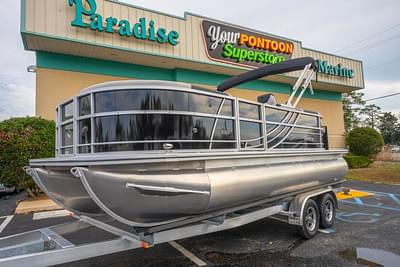
South Bay 220RS LE Rear Seating 275 2025
220RS LE Rear Seating 275 | N/A
$5,628 cash down
 Gulf Shores, AL
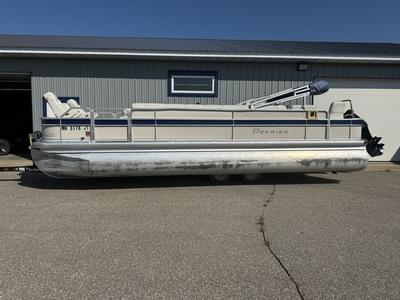

Monterey 278SS 2025
N/A
$13,999 cash down
Lancaster, KY

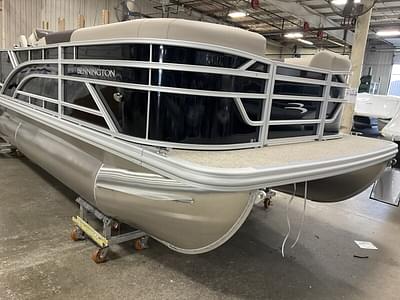
Bennington 20SL YAMAHA T50 2025
N/A
$3,690 cash down
Fergus Falls, MN


Copyright © 2026 Boatzon™. All Rights Reserved