



- Boats

- Shop
- Finance
- Boatability
- Shopping Tools
- Dealer


Marine Lenders vs Banks
Where to Get the Best Boat Loan

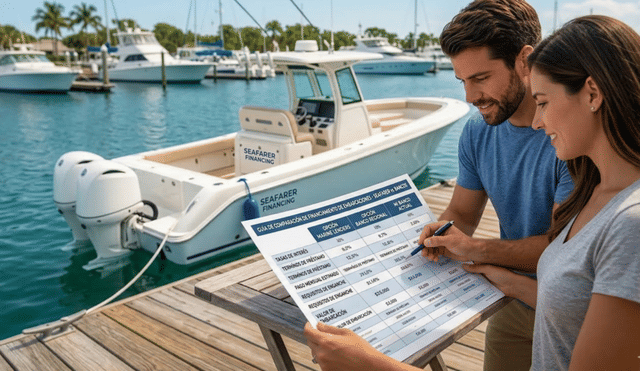
Finding the right lender matters as much as finding the right boat. Interest rates can vary by 2-3 percentage points for identical borrowers depending on which institution they choose, translating to thousands of dollars in savings over a typical 15-year loan. Understanding the differences between marine-specific lenders, traditional banks, and credit unions helps you make informed decisions about where to shop for financing.
The boat financing landscape has changed significantly over the past decade. Marine lending used to be dominated by a handful of specialized lenders who understood boat values and seasonal markets. Now, traditional banks, credit unions, and online lenders compete aggressively for boat loan business, creating opportunities for savvy borrowers to find competitive rates through strategic shopping.
Where to Get the Best Boat Loan
Marine Lenders: Specialists in Boat Financing
Marine lenders focus exclusively on boat loans, which gives them expertise traditional banks can't match. They understand boat depreciation curves by manufacturer, know which models hold value, and can evaluate older or unusual boats that big banks might decline automatically. This specialization often translates to more flexible underwriting and willingness to finance boats that don't fit standard lending boxes.
Interest rates from marine lenders typically fall in the middle of the range; not the absolute lowest but competitive enough to consider when their other advantages matter. A marine lender might charge 7.5% where a credit union offers 6.8%, but they'll finance a 20-year-old boat the credit union won't touch or approve a loan for a custom build that traditional banks don't understand how to value.
Marine lenders often provide faster approval and funding because they process boat loans constantly rather than treating them as occasional unusual requests. Turnaround times of 24-48 hours aren't uncommon, compared to 1-2 weeks at traditional banks where loan officers need multiple approvals for anything outside standard parameters. When you're competing with other buyers for a desirable boat, speed matters.
The downside is that some marine lenders charge higher fees than traditional institutions. Origination fees of 1-2% aren't unusual, where credit unions might charge nothing. On a $50,000 loan, a 1.5% origination fee adds $750 upfront. Factor these costs into total loan comparison rather than focusing solely on interest rates.
Traditional Banks: Relationship Banking Benefits
Traditional banks offer boat loans as part of broader banking relationships, which creates opportunities for existing customers with strong banking history. If you've maintained accounts, mortgages, or other loans with a bank for years, they may extend preferential rates or waive certain fees based on that relationship. Some banks offer rate discounts of 0.25-0.5% for setting up automatic payments from their checking accounts.
Approval criteria at traditional banks tend to be more rigid than marine lenders. They follow standardized lending guidelines based on credit scores, debt-to-income ratios, and boat age/value parameters that don't account for nuances marine lenders understand. A 15-year-old boat from a premium manufacturer might get declined automatically even though it's worth more than a 5-year-old mass-market boat that fits their age criteria.
Interest rates can be very competitive for borrowers who fit their ideal profile: excellent credit, stable employment, low debt-to-income ratios, and newer boats from mainstream manufacturers. Banks often have access to cheaper funding sources than smaller lenders, allowing them to offer attractive rates when competing for qualified borrowers. Rates of 6.5-7.5% for well-qualified buyers aren't unusual.
The application and approval process typically takes longer at traditional banks. Boat loans represent a tiny fraction of their overall lending, so they don't have dedicated marine lending teams processing applications continuously. Expect 1-2 weeks for approval and another week for funding, which can be problematic when timing matters.
Credit Unions: Member-Focused Lending
Credit unions consistently offer the most competitive boat loan rates, often 0.5-1.5 percentage points below banks and marine lenders for comparable borrowers. Their nonprofit structure and member-focused mission means lower operating costs and willingness to pass savings to members through better rates. Finding credit union rates of 6-7% when banks quote 7.5-8% is common.
Membership requirements vary widely. Some credit unions serve specific employers or industries, while others have geographic restrictions or require membership in associated organizations. Many have relaxed restrictions significantly; paying a small fee to join a qualifying organization or opening a savings account with a minimal deposit often satisfies membership criteria.
Credit unions typically provide excellent member service and transparent lending processes. Loan officers have authority to consider circumstances beyond rigid formulas, which helps when your financial situation has complexity that standardized criteria miss. They're also more willing to work with members who experience temporary financial difficulties rather than immediately pursuing aggressive collection.
The tradeoff is that credit unions often have more conservative lending limits and restrictions. Maximum loan amounts might cap at $100,000-250,000 rather than the $500,000+ that larger lenders offer. Boats over certain ages might not qualify, and exotic or unusual vessels could face automatic decline. If you're buying a high-value boat or something outside mainstream categories, credit unions might not work.
Online Lenders: Convenience and Speed
Online lenders have entered boat financing aggressively in recent years, offering streamlined application processes and quick decisions. Many provide instant pre-qualification with soft credit checks, letting you compare offers without impacting your credit score. The entire process from application to funding can happen in days rather than weeks.
Interest rates from online lenders vary dramatically based on the specific company and your credit profile. Some match or beat traditional institutions, while others charge premium rates for the convenience of fast processing. The key is shopping multiple online lenders alongside traditional options rather than assuming online automatically means better rates.
Be cautious with online lenders claiming to guarantee approval or offering unusually high loan amounts relative to boat values. Legitimate lenders have underwriting standards; anyone promising approval before reviewing your financial situation probably charges predatory rates or has hidden fees that make the loan expensive despite advertised rates.
Rate Shopping Strategy
Apply with at least three different lender types to understand your options. Start with a credit union if you have access, add a marine lender for comparison, and include either a traditional bank or online lender as a third option. Most lenders allow soft credit pulls for initial quotes, saving hard inquiries for formal applications.
Timing matters when shopping for boat loans. Multiple inquiries for the same type of loan within 14-45 days typically count as a single credit inquiry for scoring purposes, but spread applications across months and each hits your score separately. Concentrate your shopping into a short window once you're serious about buying.
Focus on annual percentage rate (APR) rather than interest rate alone. APR includes fees and costs, providing better comparison between lenders with different fee structures. A lender advertising 7% with 2% in fees has a higher APR than one charging 7.5% with no fees, making the higher-rate loan cheaper overall.
Understanding marine loan options before you start shopping helps you ask informed questions and recognize when lenders aren't offering competitive terms. Know standard loan terms for boats in your price range, typical down payment requirements, and what interest rates qualified borrowers receive in current market conditions.
Questions to Ask Every Lender
Request detailed information about all fees before committing. Origination fees, documentation fees, and prepayment penalties vary dramatically between lenders. Some charge nothing beyond interest; others add 2-3% in various fees that significantly increase total cost.
Ask about rate discounts for automatic payments, existing customer relationships, or larger down payments. Many lenders offer 0.25% rate reductions for setting up auto-pay or maintaining other accounts with them. These discounts compound over 15-20 year loans into substantial savings.
Clarify whether rates are fixed or variable. Fixed rates provide payment stability over the entire loan term. Variable rates might start lower but carry risk of increasing over time. Given boat loans already run higher than auto loans, the modest initial savings from variable rates rarely justify the uncertainty for most borrowers.
Frequently Asked Questions
What's the difference between marine lenders and regular banks?
-Do credit unions really offer better rates?
+Can I get a boat loan from my regular bank?
+How many lenders should I apply with?
+What credit score do different lenders require?
+Should I finance through the boat dealer?
+Can online lenders match traditional lender rates?
+How quickly can I get approved and funded?
+Finding Your Best Option
The best boat loan lender depends on your specific situation: credit profile, boat type and age, timeline, and how much you value relationship banking versus purely competitive rates. Excellent credit and a newer mainstream boat opens all options. Marginal credit or an unusual boat narrows choices to lenders who specialize in those scenarios.
Disclaimer: This article provides general information about boat loan lenders for educational purposes. Rates, terms, fees, and lending criteria vary by institution and change frequently based on market conditions. Individual circumstances affect which lenders will approve applications and what rates they'll offer. Always compare current offers from multiple lenders, review all loan documents carefully, and verify membership requirements for credit unions before assuming eligibility. Information about rates and lending practices is subject to change.
Boats for Sale

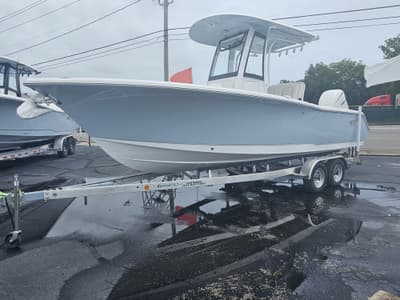
Sea Hunt 245 SE 2027
N/A
$14,537 cash down
 Fort Walton Beach, FL
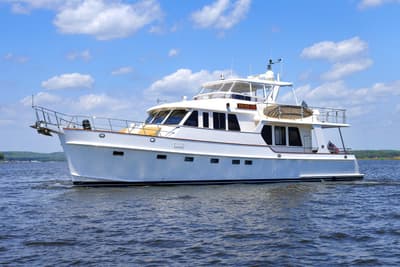
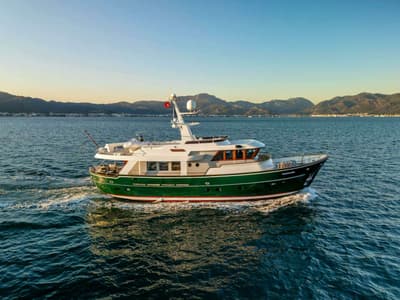
Grand Banks 59 Aleutian RP 2007
59 Aleutian RP | 3343 Hours
$159,900 cash down
Juno Beach, FL
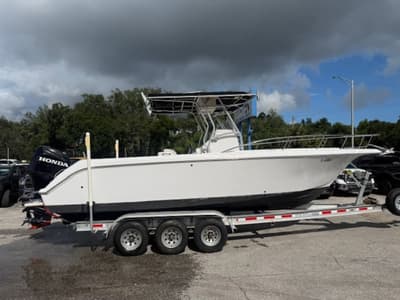

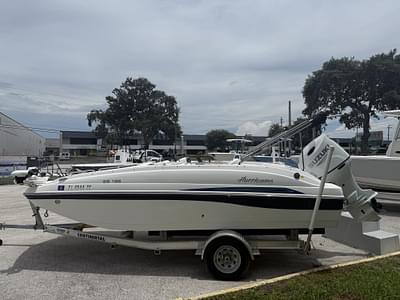
2022 Hurricane SS188
355 Hours
$4,150 cash down
tampa, FL


Copyright © 2026 Boatzon™. All Rights Reserved