




How to Buy a Boat
Total Cost of Ownership

Boats For Sale

 Hollywood, FL

How to Buy a Boat: Total Cost of Ownership
The sticker price on a boat represents the beginning of ownership costs, not the complete picture. Buyers who budget only for the purchase and financing often discover within the first season that ongoing expenses consume more cash than they'd anticipated, creating financial pressure that turns recreational ownership into a source of stress rather than enjoyment. Understanding the complete cost structure before committing helps you buy a boat you can genuinely afford to own rather than one that looks affordable until the bills start arriving.
Purchase Price and Financing Costs
The boat's purchase price is the most visible cost, but financing transforms that one-time expense into an extended obligation that includes substantial interest costs. A $50,000 boat financed at 7% over 15 years doesn't cost you $50,000; it costs approximately $81,000 once interest is included. That $31,000 difference represents real money leaving your account over the loan's life.
Down payment requirements, typically 10-20% of the purchase price, represent immediate cash outlay that buyers need available before financing even begins. On that $50,000 boat, expect to provide $5,000-10,000 upfront, which means you're financing $40,000-45,000. Budget for monthly payments around $360-405 at 7% over 15 years, though your actual payment will vary based on your down payment amount, credit-driven rate, and chosen term length.
Buyers sometimes focus exclusively on whether the monthly payment fits their budget without considering total interest paid or how long they'll be making those payments. A 20-year loan feels more manageable monthly than a 10-year term, but it costs substantially more in total interest and extends your financial obligation into a future where your circumstances may have changed dramatically.
Insurance Runs Higher Than Most Buyers Expect
Boat insurance isn't optional if you're financing; lenders require comprehensive coverage that protects their collateral interest. Even for cash buyers, operating an uninsured boat creates liability exposure that most people can't afford to self-insure against. Annual premiums vary widely based on boat value, type, usage, and location, but budget $500-1,500 annually for typical recreational boats in the 20-30 foot range.
Financed boats often require higher coverage levels than lenders mandate, including agreed value policies that pay a predetermined amount in total loss scenarios rather than depreciated actual cash value. That additional coverage costs more than basic policies but protects you from situations where insurance settlements don't cover your outstanding loan balance.
Geographic location affects premiums substantially. Boats kept in hurricane-prone coastal areas carry higher insurance costs than identical vessels in inland states with lower weather risk. Marina storage versus trailer storage, saltwater versus freshwater use, and your own boating experience and claims history all influence what insurers charge for coverage.
Deductibles matter too. Lower deductibles mean higher premiums, while higher deductibles reduce annual costs but increase your out-of-pocket exposure if you file a claim. Most boat owners choose deductibles in the $500-2,500 range, balancing premium savings against the risk of manageable self-insured losses.
Storage and Dockage Consume Cash Year-Round
Where you keep your boat when you're not using it represents one of the largest ongoing ownership expenses, and it's one that surprises buyers who haven't researched local storage options before purchasing. Marina slip fees in desirable locations can run $200-800 monthly, with premium locations and larger slips commanding even higher rates. That's $2,400-9,600 annually just for a place to park your boat.
Dry storage, where the marina stores your boat on land and launches it when you want to use it, typically costs less than wet slips but still runs $100-400 monthly depending on location and boat size. The convenience of wet slip storage, where your boat is always ready to use, justifies the premium for frequent boaters but represents wasted expense for those who use their boats occasionally.
Home storage on a trailer is the most economical option where zoning permits it, but it requires suitable space, proper trailer maintenance, and the physical capability to tow your boat to the launch ramp each time you use it. Many neighborhoods restrict boat storage through HOA rules or local ordinances, so verify you can actually store a boat at home before assuming this option is available.
Winterization and seasonal storage in cold climates add another layer of costs. Professional winterization services run $300-600 annually, and indoor winter storage can add $500-2,000 depending on location and boat size. Some owners winterize their boats themselves, but mistakes during the process can cause expensive freeze damage that far exceeds the cost of professional service.
Maintenance and Repairs Are Inevitable
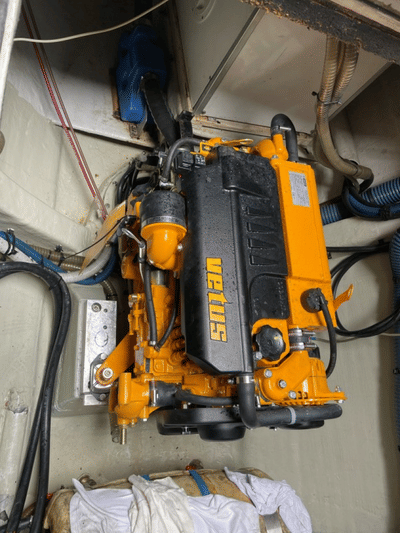
Even new boats require regular maintenance, and costs accumulate faster than most first-time owners anticipate. Engine maintenance alone, including oil changes, filter replacements, and lower unit service, typically runs $200-500 annually for outboard-powered boats. Inboard engines and larger powerplants cost more to maintain, and any problem beyond routine service escalates expenses quickly.
Bottom paint and hull cleaning for boats in saltwater or freshwater with significant growth requires annual attention. Professional bottom painting costs $15-35 per foot depending on paint quality and labor rates, meaning a 25-foot boat can easily run $400-900 for this single maintenance item. Some owners DIY this work, but it's physically demanding and requires proper equipment and disposal of hazardous materials.
Anodes, zincs, impellers, and other sacrificial or wear components need periodic replacement as part of normal maintenance. Canvas, upholstery, and carpeting degrade from sun and weather exposure, requiring eventual replacement or repair. Electronics fail, bilge pumps burn out, and plumbing develops leaks. These aren't catastrophic failures; they're normal ownership costs that accumulate over time.
Budget 2-3% of your boat's value annually for routine maintenance on newer boats, and 4-6% on older vessels as components age and require more frequent attention. A $40,000 boat should have $800-1,200 annually set aside for maintenance on the low end, with the understanding that some years will exceed that amount substantially when larger repairs or replacements become necessary.
Fuel and Operating Costs Add Up Quickly
Fuel consumption varies enormously across boat types, engines, and how you operate them, but it represents one of the most visible ongoing costs every time you use your boat. A typical 25-foot center console with a 250 HP outboard might burn 15-25 gallons during a four-hour fishing trip depending on cruising speed and how much time you spend running versus drifting. At $4-5 per gallon for marine fuel, that's $60-125 per trip, or $600-1,250 for ten outings per season.
Larger boats with twin engines or bigger powerplants consume fuel proportionally faster. Smaller boats with more efficient engines cost less to operate. The only certainty is that fuel costs matter, and they tend to exceed what buyers budget based on their experience with automotive fuel consumption. Boats burn fuel significantly faster than cars, and marine fuel costs more than pump prices at gas stations.
Oil, filters, and other consumables required for engine operation add smaller but regular expenses throughout the season. Two-stroke engines require oil mixed with fuel or injected separately, adding per-gallon costs beyond fuel alone. Four-stroke engines need regular oil changes using marine-grade oil that costs more than automotive equivalents.
Registration, Taxes, and Documentation
Initial registration and title transfer fees vary by state but typically run $100-500 for most recreational boats. Annual registration renewals are lower but still represent an ongoing expense that many buyers overlook when calculating ownership costs. Some states assess personal property taxes on boats based on their value, adding annual bills that can reach into four figures for expensive vessels in high-tax jurisdictions.
Sales tax at purchase, where applicable, represents a one-time but substantial expense that buyers often fail to include in their budget calculations. States charging 6-8% sales tax on a $50,000 boat add $3,000-4,000 to the transaction cost, which either comes from savings or gets rolled into financing where it accrues interest over the loan term.
USCG documentation for boats over a certain size or used in specific ways costs roughly $100 initially plus annual renewal fees. While not required for all boats, documented vessels gain advantages in financing and international travel that make the expense worthwhile for some owners.
The Budget Reality Check
Adding these categories together produces the real annual cost of boat ownership. A $50,000 boat might break down something like this:
- Loan payment (7% over 15 years): $5,400 annually
- Insurance: $800 annually
- Slip/storage: $3,600 annually (modest marina)
- Maintenance: $1,200 annually (2.4% of value)
- Fuel and operations: $1,000 annually (moderate use)
- Registration and misc: $300 annually
Total first-year cost: approximately $12,300, or $1,025 monthly, on a boat with a $450 loan payment. This doesn't include the initial down payment of $5,000-10,000 you'll need upfront. Subsequent years continue at roughly the same annual cost, though maintenance expenses typically increase as the boat ages.
That math explains why the old boating saying exists: the two happiest days in a boat owner's life are the day they buy it and the day they sell it. Buyers who understand and budget for complete ownership costs enjoy their boats without financial stress. Those who don't often discover they can't actually afford to own what they were approved to finance.
Running realistic cost scenarios before committing helps establish whether a specific boat fits your complete financial picture. The Boatzon marine financing calculator handles the loan payment calculation, but total ownership requires adding every other expense category to create an honest monthly budget that includes the complete cost structure rather than just the financing piece.
Making Informed Decisions
Boat ownership delivers genuine enjoyment and creates experiences that justify the expense for millions of owners who budget appropriately and use their boats regularly. The key is matching boat purchase decisions to your complete financial capacity, including both the purchase financing and the ongoing costs that continue every month regardless of whether you're actively using the boat.
Buyers who run these numbers honestly before purchasing make better decisions about which boat to buy, how to finance it, and whether boat ownership makes sense at this point in their financial life. Those who discover the complete cost exceeds their budget have the opportunity to adjust their target purchase price, increase their down payment to reduce financing costs, or delay the purchase until their financial position improves.
The worst outcome is buying a boat you can't afford to own, because it transforms what should be an enjoyable recreational investment into a financial burden that either forces an expensive early sale or simply sits unused while continuing to consume money through storage, insurance, and loan payments. Understanding total ownership costs prevents that outcome by ensuring your purchase decision reflects reality rather than optimism.
Boats For Sale


Copyright © 2026 Boatzon™. All Rights Reserved