




Documentation Needed for Boat Loans
Complete Application Checklist

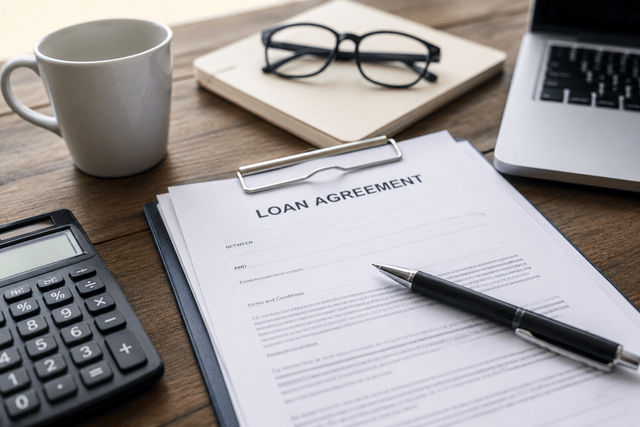
Boat loan applications require proof of income, credit authorization, boat identification details, and down payment verification. Most lenders need 2-3 recent pay stubs or two years of tax returns for self-employed applicants, bank statements showing down payment funds, and the boat's hull identification number along with purchase agreement. Gathering these documents before you start shopping speeds approval from weeks to days and prevents deals from falling through while you scramble to find paperwork.
The documentation process feels overwhelming when you're focused on finding the right boat, but lenders have legitimate reasons for every form they request. They're evaluating two fundamental questions: can you afford the monthly payment, and does the boat's value justify the loan amount? Your income documents answer the first question. The boat's identification, condition reports, and purchase price answer the second.
Understanding what lenders need and why helps you prepare efficiently rather than treating document requests as bureaucratic obstacles. The difference between smooth, quick approvals and frustrating delays often comes down to having complete, organized paperwork ready when you submit your application. Incomplete submissions sit in queues waiting for missing documents while complete applications move through underwriting and reach approval within days**.**
Complete Application Checklist
Income Verification Documents
Lenders verify income to calculate your debt-to-income ratio and confirm you can afford monthly payments. The specific documents required depend on your employment type and income structure, with W-2 employees facing simpler requirements than self-employed borrowers or those with complex income sources.
Salaried employees with straightforward W-2 income need recent pay stubs covering at least 30 days. Two consecutive pay stubs from the same employer usually satisfy this requirement, showing year-to-date earnings that lenders use to calculate monthly income. If you're paid weekly, provide four consecutive stubs. Biweekly pay cycles require two stubs. Monthly pay needs two months of documentation.
The pay stubs must show gross income before deductions, not just net take-home pay. Lenders calculate affordability based on gross income, then subtract your reported debts and expenses to determine what you can reasonably afford for boat payments. Year-to-date totals help lenders verify that your recent pay represents typical earnings rather than anomalies from bonuses or overtime.
Self-employed borrowers face more extensive documentation requirements. Most lenders require two years of complete tax returns including all schedules, particularly Schedule C showing business income and expenses. Personal tax returns alone don't suffice; lenders need to see your business financials to understand income stability and trends. A borrower showing declining income over two years faces tougher approval than someone with steady or growing earnings.
Recent bank statements supplement tax returns for self-employed applicants. Lenders review three to six months of business and personal account statements to verify that deposits match reported income and that your financial situation remains stable. Large unexplained deposits raise questions; be prepared to document any significant transfers or one-time deposits that don't represent normal income.
Commission-based income requires special handling. Real estate agents, sales professionals, and others earning primarily through commissions typically need two years of tax returns plus recent pay stubs showing year-to-date commission income. Lenders average commission earnings over the documented period rather than relying on recent months that might not represent typical income. If your income varies seasonally, expect lenders to use conservative estimates when calculating what you can afford.
Retired applicants living on Social Security, pensions, or investment income need different documentation. Social Security award letters showing monthly benefit amounts satisfy that portion of income verification. Pension statements or distribution records from retirement accounts document those income sources. Investment income requires recent brokerage statements and potentially tax returns showing dividend and interest income.
Credit Authorization and Reports
Every boat loan application requires signed authorization allowing lenders to pull your credit report. This authorization protects lenders legally while giving them access to your complete credit history, existing debts, payment patterns, and credit scores that determine approval and rates.
The credit authorization form includes your Social Security number, current address, and previous addresses covering the past two years. Lenders use this information to ensure they're pulling the correct credit file and capturing your complete credit history even if you've moved recently. Errors in address information can delay applications while lenders verify identity and locate proper credit records.
Understanding hard versus soft credit inquiries helps you manage the application process strategically. Hard inquiries occur when you formally apply for credit and appear on your credit report, potentially lowering your score by a few points. Soft inquiries happen during pre-qualification and don't affect your score. Multiple hard inquiries for the same type of loan within 14-45 days typically count as a single inquiry, letting you shop rates without excessive score damage.
Some lenders offer pre-qualification using only soft pulls, allowing you to compare offers before committing to formal applications. This approach lets you explore options, understand likely approval and rates, and choose the best lender before submitting a full application with hard inquiry. If pre-qualification is available, use it before applying to multiple lenders.
Credit report disputes require documentation. If your credit report contains errors you've disputed, provide evidence of the dispute and any resolution. Lenders can't ignore legitimate errors, but they also can't approve loans based on credit histories you claim are inaccurate without supporting documentation. Letters from creditors confirming resolved issues or credit bureau dispute resolution forms help your case.
Explanation letters address credit issues proactively. Late payments, collections, bankruptcies, or other negative marks need context. A letter explaining that late payments resulted from a one-time medical emergency carries more weight than unexplained delinquencies. Lenders want to see that credit problems resulted from specific circumstances you've resolved rather than ongoing financial mismanagement.
Boat Identification and Information
Lenders need detailed boat information to verify that their collateral justifies the loan amount. This documentation confirms the boat exists, matches the purchase agreement, and has sufficient value to secure the loan.
The hull identification number (HIN) serves as the boat's unique identifier, similar to a vehicle VIN. Every boat manufactured after 1972 has a 12-character HIN stamped on the transom. Lenders use this number to verify the boat's age, manufacturer, and specifications. Recording the HIN accurately prevents delays; transposed digits can make boats appear different ages or values than reality.
The purchase agreement or sales contract must include the boat's complete description: year, make, model, length, engine details, and agreed purchase price. Vague descriptions like "2020 center console" don't satisfy lender requirements. The agreement should specify "2020 Contender 28 Sport with twin Yamaha F300 outboards" along with HIN and any notable equipment or options affecting value.
New boat purchases require manufacturer's certificates of origin (MCO) showing the boat has never been titled. Dealers handle MCO paperwork, but ensure your purchase agreement references the MCO and confirms it will transfer to you at closing. Missing or delayed MCOs can hold up financing for weeks while manufacturers issue duplicates.
Used boat purchases typically require current registration or title documentation showing the seller owns the boat free of liens. Boats with outstanding loans need lien releases before closing. Your purchase agreement should make clear title delivery a condition of sale, protecting you from buying boats the seller can't legally transfer.
Marine surveys become required for higher-value used boats, typically those exceeding $50,000-75,000 depending on lender. Professional marine surveyors inspect the boat's condition, test systems, and provide detailed reports on any issues affecting value or safety. Lenders review surveys before approving loans, sometimes requiring repairs before funding or reducing loan amounts if surveys reveal problems. Budget $20-30 per foot for survey costs and schedule them early in the buying process.
Down Payment Verification
Lenders require proof that your down payment funds exist and are accessible. This verification prevents loan applications from buyers who can't actually close deals, wasting everyone's time with doomed transactions.
Bank statements covering 60 days typically satisfy down payment verification. The statements must show consistent balances meeting or exceeding your planned down payment amount. A checking account with $2,000 doesn't verify a $15,000 down payment even if you claim you're moving funds from elsewhere. Show the actual account holding down payment money.
Large recent deposits require explanation. If your bank statement shows a $20,000 deposit from last week, lenders assume it's borrowed money unless you document otherwise. Gift letters from family members, documentation of asset sales, or proof the deposit represents transferred savings from another account prevents lenders from treating these deposits as additional debt.
Gift funds for down payments need specific documentation. The gift letter must state that funds are gifts with no repayment expectation, identify the donor's relationship to you, and specify the gift amount. Donors typically need to provide bank statements proving they have the funds to gift. Parents gifting down payment money can't simply transfer funds; the paper trail documenting the gift must satisfy lender requirements.
Down payment source matters for loan qualification. Money from your savings accounts counts fully toward down payment. Borrowed funds typically don't qualify; lenders add the debt service to your obligations, affecting debt-to-income calculations. Some buyers attempt to hide borrowed down payments, but lenders review credit reports showing new debt and bank statements revealing unexplained deposits.
Additional Financial Documentation
Beyond income and down payment verification, lenders may request additional financial documents depending on your situation and the loan amount.
Asset statements show reserves beyond your down payment. Lenders want to see that you can handle several months of boat payments even if income interruptions occur. Higher loan amounts typically require larger reserves. A $25,000 loan might need minimal reserves, while a $150,000 loan could require showing liquid assets covering six months of payments.
Debt documentation helps lenders calculate accurate debt-to-income ratios. Recent statements for mortgages, car loans, student loans, and credit cards show current balances and minimum payments. If you're paying off debts before closing to improve your debt-to-income ratio, provide payoff statements and proof of payment showing these obligations are eliminated. Using the boat loan calculator before applying helps you understand what monthly payment fits your budget alongside your existing debt obligations.
Employment verification sometimes goes beyond pay stubs. Lenders may contact employers directly to confirm you're currently employed, verify your position and salary, and ensure your employment status hasn't changed since you submitted pay stubs. Self-employed borrowers might face requests for business licenses, client contracts, or other documentation proving business legitimacy.
Divorce decrees or separation agreements matter when alimony or child support affects your income or obligations. Income from these sources can help you qualify if properly documented. Obligations to pay support reduce your qualifying income since they represent fixed monthly expenses. Complete documentation showing amounts, duration, and payment history helps lenders calculate affordability accurately.
Application Timeline and Process
Understanding the typical timeline from application submission to funding helps you plan boat purchases and set realistic expectations about when you'll actually own your boat.
Initial application submission happens quickly once you've gathered documents. Online applications take 15-30 minutes to complete. Adding document uploads might require another 30 minutes. Some lenders accept applications and documents by email or through secure portals. The submission method doesn't matter as much as completeness; missing documents delay everything regardless of how you submit.
Initial review and follow-up requests typically occur within 1-3 business days. Lenders verify your application is complete and request any missing documents. Quick response to these requests keeps your application moving. Every day you delay providing requested documentation adds another day to approval time.
Underwriting review takes 3-7 business days for straightforward applications with complete documentation. Underwriters verify income, review credit reports, assess debt-to-income ratios, and evaluate boat value against loan amount. Complex situations like self-employment income, recent credit issues, or unusual boat types extend this timeline.
Conditional approval happens when underwriters approve your loan subject to specific requirements. Common conditions include updated pay stubs showing recent earnings, proof that you've paid off specific debts, or marine surveys on used boats. Satisfying conditions quickly moves you toward final approval. Ignoring conditions or delaying responses stalls everything.
Final approval and closing documents arrive once all conditions are satisfied. Review closing documents carefully before signing, verifying that interest rates, terms, and fees match what you agreed to. Last-minute changes to loan terms should raise questions; legitimate lenders don't significantly alter deal terms at closing.
Funding typically occurs 1-3 business days after signed documents return to the lender. The lender pays the seller directly or wires funds to your account depending on the purchase structure. Ensure your seller, dealer, or closing agent understands the funding timeline to coordinate title transfer and boat delivery.
Total timeline from application to funding ranges from 7-21 days for most transactions. Clean applications with complete documentation, good credit, and straightforward income hit the shorter end. Complex situations, documentation delays, or problems uncovered during underwriting extend the process. Plan for three weeks when timing boat purchases, allowing buffer time for unexpected delays.
How to Prepare Your Documentation
Organizing documents before starting applications prevents delays and demonstrates financial responsibility that lenders appreciate.
Create a loan document folder, either physical or digital, collecting everything in one location. Chasing scattered pay stubs or tax returns when lenders request documents creates stress and delays. Having everything organized lets you respond to requests within hours rather than days.
Make copies of everything rather than submitting originals. Tax returns, bank statements, and employment documents should all be copies or digital files. If mailing documents, send copies via certified mail with tracking. Digital submissions through secure lender portals work well if you've scanned documents clearly and completely.
Update documents before applying. Pay stubs from three months ago don't satisfy lenders wanting recent income verification. Request current bank statements showing the most recent balances. If you're self-employed, ensure tax returns are filed and you have copies of the complete returns including all schedules.
Highlight or annotate relevant sections to help lenders review documents efficiently. Circle year-to-date income on pay stubs. Note the account balance on bank statements. These small touches speed review and reduce questions about where lenders should focus attention.
Prepare explanation letters proactively for anything requiring context. Recent job changes, gaps in employment, credit issues, large deposits, or unusual income sources all benefit from written explanations attached to your application. Addressing questions before lenders ask demonstrates preparedness and financial sophistication.
Understanding marine loan options and requirements before you start gathering documents helps you focus on what matters most for your specific situation and loan type.
Frequently Asked Questions
How long does boat loan approval take with complete documentation?
-Do I need a marine survey for all boat purchases?
+Can I use tax returns from two years ago?
+What if I just started a new job?
+Do lenders verify employment directly with employers?
+What counts as acceptable proof of down payment?
+Can I apply without all documents ready?
+How long are documents considered current?
+Preparing for Success
Boat loan approval becomes straightforward when you understand what lenders need and why they need it. The documentation requirements might seem extensive, but each item serves the specific purpose of verifying your ability to repay the loan or confirming the boat's value as collateral.
Approaching documentation proactively rather than reactively changes the entire approval experience. Buyers who gather everything before applying and respond immediately to additional requests move through approval in days. Those who treat document requests as inconvenient interruptions face delays that can cost them their desired boats when other buyers with complete applications move faster.
The investment in organizing your financial documentation pays dividends beyond the immediate loan approval. The process helps you understand your own financial position more clearly, potentially revealing opportunities to improve credit, reduce debt, or adjust down payment amounts before applying. Taking control of documentation takes control of the timeline, letting you close deals on your schedule rather than waiting for approval.
Disclaimer: This article provides general information about boat loan documentation requirements for educational purposes. Specific documentation needs vary between lenders based on their underwriting guidelines, loan amounts, borrower situations, and boat characteristics. Requirements described represent common practices but may not reflect all lenders' policies. Some lenders may require additional documentation not mentioned here, while others might have less extensive requirements. Approval timelines vary based on application completeness, complexity of financial situations, and lender workload. Always verify specific documentation requirements directly with your chosen lender before beginning the application process. Information about documentation requirements and approval processes is subject to change based on lender policies and regulatory requirements.
Explore Boats for Loans

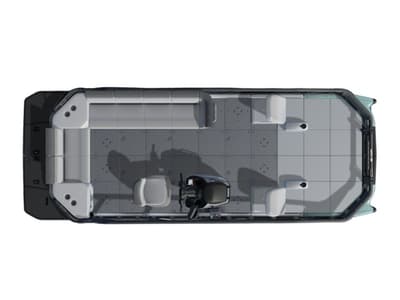
Sea-Doo Switch Sport 21 300 hp Galvanized 2026
Switch Sport 21 300 hp Galvanized | N/A
$4,735 cash down
 Hollywood, FL


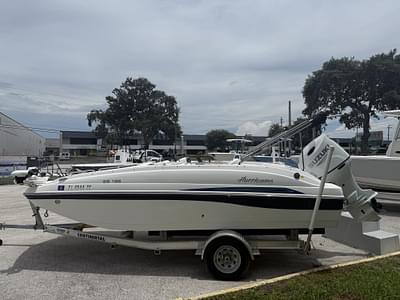
2022 Hurricane SS188
355 Hours
$4,150 cash down
tampa, FL

Sanlorenzo SL96A 2021
SL96A | 653 Hours
$785,000 cash down
Miami Beach, FL
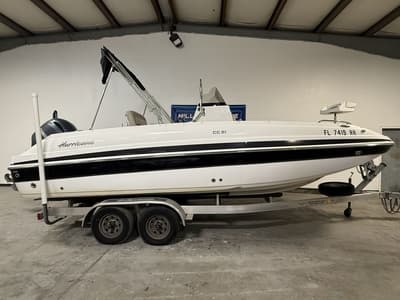
Hurricane CC 21 OB 2018
CC 21 OB | N/A
$3,600 cash down
Ocala, FL


Copyright © 2026 Boatzon™. All Rights Reserved