



- Boats

- Shop
- Finance
- Boatability
- Shopping Tools
- Dealer


Center Console Boat Insurance
Coverage for Fishing Vessels

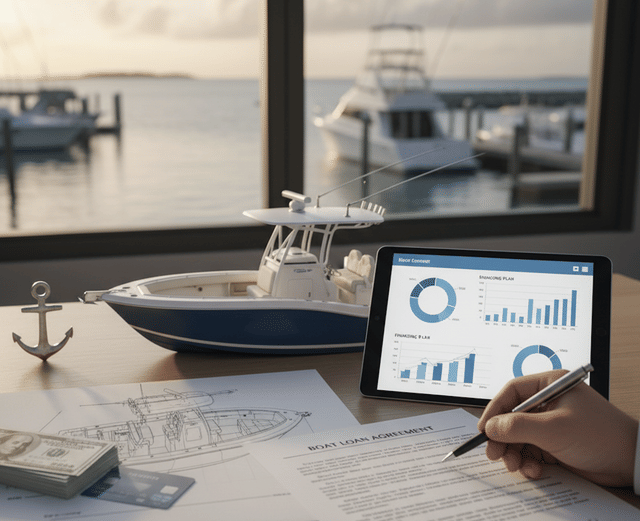
Center Console Boat Insurance
Protecting your center console boat investment requires specialized marine insurance that addresses the unique risks of fishing vessels. Unlike standard boat policies, fishing boat insurance must account for expensive electronics, tournament equipment, and the increased liability exposure that comes with offshore operations. Understanding coverage options, exclusions, and cost factors ensures adequate protection without overpaying for unnecessary features.
The insurance landscape for center console boats has evolved significantly as values have increased and fishing has become more sophisticated. Modern center consoles carrying $30,000 in electronics and $500,000 in hull value require different coverage approaches than simple bay boats from decades past. Navigating these options while managing costs demands understanding both what insurance covers and, equally important, what it doesn't.
Coverage for Fishing Vessels
Essential Coverage Components for Center Consoles
Hull coverage forms the foundation of center console boat insurance, protecting against physical damage from accidents, weather, theft, and vandalism. Agreed value policies guarantee a specific payout regardless of depreciation, while actual cash value policies adjust for age and condition. For newer boats and those with substantial modifications, agreed value coverage prevents disputes during claims.
Liability coverage protects against claims from injured passengers or damage to other vessels and property. Minimum coverage of $300,000 is standard, but serious offshore anglers should consider $500,000 to $1 million given the catastrophic potential of high-speed collisions or fuel dock accidents. Umbrella policies can extend liability protection beyond primary marine coverage.
Medical payments coverage handles immediate treatment costs for injured passengers regardless of fault, typically ranging from $5,000 to $25,000 per person. This no-fault coverage speeds treatment and can prevent lawsuits by addressing injuries promptly. Higher limits prove valuable for boats carrying multiple passengers to fishing grounds.
Uninsured boater coverage protects against collisions with vessels lacking adequate insurance, an increasingly common scenario. This coverage mirrors your liability limits and proves essential given that many boaters carry state minimums or no insurance at all. The modest premium increase justifies the protection against potentially devastating losses.
Specialized Fishing Equipment Coverage
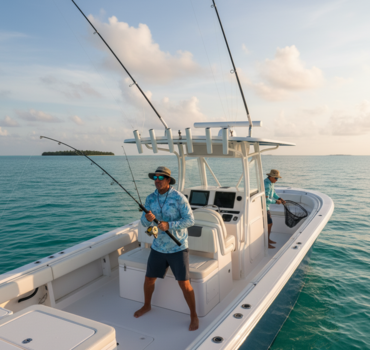
Standard policies often limit coverage for fishing equipment and electronics, typically capping at $2,500 unless specifically scheduled. Modern center consoles with multiple GPS units, radar, sonar, and autopilot systems require additional coverage. Itemizing high-value electronics ensures full replacement coverage following theft or damage.
Tournament equipment including outriggers, downriggers, electric reels, and specialized tackle requires separate consideration. Many policies exclude or severely limit coverage for equipment used in competitive fishing. Tournament anglers need specific endorsements covering gear during competition use, often requiring additional premiums.
Personal effects coverage for rods, reels, and tackle varies significantly between insurers. Some policies provide automatic coverage to specified limits while others require scheduling valuable items. Document equipment with photos and receipts to expedite claims, particularly for custom rods or vintage reels with difficult-to-establish values.
Towing and assistance coverage reimburses emergency towing costs, with typical limits ranging from $500 to unlimited towing. Given center console vulnerability to fuel exhaustion, mechanical failure, or grounding, comprehensive towing coverage proves invaluable. Some insurers partner with towing services for direct billing rather than reimbursement.
Navigation Territory and Coverage Restrictions
Insurance policies define specific navigation territories where coverage applies, with broader areas commanding higher premiums. Coastal policies typically cover waters within 75-125 miles of the US coastline, sufficient for most recreational fishing. International coverage for Bahamas or Mexican waters requires endorsements with significant premium increases.
Offshore fishing beyond standard territorial limits necessitates specific discussion with insurers. Many policies exclude coverage beyond certain distances from shore or in specific weather conditions. Tournament fishing or canyon runs might require temporary extensions of navigation territory, available for additional premiums.
Named storm coverage often includes restrictive conditions about boat location and preparation. Policies might exclude damage if boats aren't hauled out or moved to approved hurricane holes before storms. Understanding these requirements before hurricane season prevents claim denials when storms threaten.
Lay-up periods reduce premiums by suspending coverage during months when boats aren't used, common in northern climates. However, policies vary regarding what activities remain covered during lay-up. Some allow maintenance and local sea trials while others prohibit any operation, affecting winter project plans.
Claims Scenarios Specific to Fishing Boats
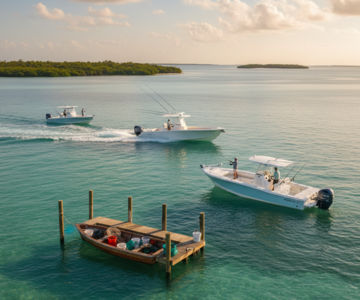
Grounding claims frequently affect center console boats operating in shallow waters while pursuing fish. Coverage depends on whether grounding resulted from navigational error versus mechanical failure or weather. Salvage costs can exceed hull values quickly, making salvage coverage limits critically important for shallow-water anglers.
Lightning strikes represent significant risks for center consoles with tall outriggers and electronics arrays. Comprehensive policies cover both direct damage and electronic components damaged by electromagnetic pulses. However, proving lightning damage to electronics can be challenging without proper documentation of the strike.
Theft claims for fishing equipment and electronics have increased as values have risen. Insurers might require specific security measures like locked storage or alarm systems for coverage to apply. Partial theft, such as electronics stolen while boats remain, might face different deductibles than total theft claims.
Collision with submerged objects while running to fishing spots triggers complex claims scenarios. Coverage depends on whether objects were charted, marked, or truly unforeseeable. Bent props and damaged lower units from striking objects might fall under different deductibles than hull damage.
Premium Factors and Cost Management
Hull value drives the largest portion of center console insurance premiums, typically running 1-2% annually for coastal fishing boats. A $150,000 center console might cost $1,500-3,000 yearly, while a $500,000 offshore machine could require $7,000-10,000 in annual premiums. Agreed value coverage costs more but provides certainty.
Operating experience significantly impacts premiums, with new boaters paying substantially more than experienced operators. Insurance companies favor operators with documented training, particularly for high-performance or large center consoles. Coast Guard licensing or Power Squadron courses can reduce premiums 10-15%.
Claims history affects future premiums more than any other controllable factor. Multiple claims, particularly for operator error, can double premiums or trigger non-renewal. Maintaining higher deductibles and self-insuring minor damage preserves claims-free discounts for major losses.
Geographic location influences rates based on hurricane exposure, theft statistics, and typical boating conditions. Florida and Gulf Coast boats face higher premiums than those in protected northern waters. Boats in high-theft areas might require additional security measures to obtain coverage.
Deductible Strategies for Fishing Boats
Standard deductibles typically equal 1-2% of hull value, though options range from fixed amounts to higher percentages. Higher deductibles reduce premiums significantly but require financial preparedness for repairs. Consider your risk tolerance and repair fund availability when selecting deductibles.
Named storm deductibles often differ from standard deductibles, commonly set at 5-10% of hull value. A $200,000 boat might carry a $2,000 standard deductible but face $10,000-20,000 for hurricane damage. Understanding these differences prevents surprises after storm damage.
Separate deductibles might apply to different coverage components, with electronics or fishing equipment carrying independent deductibles. Some policies waive deductibles for total losses, while others apply them regardless. Review all deductible structures to understand total exposure.
Disappearing deductibles reward claims-free years by reducing deductibles over time. These programs can eliminate deductibles entirely after 3-5 years without claims. While premiums run slightly higher, the benefit during claims can be substantial for careful operators.
Tournament Fishing Insurance Considerations
Tournament participation introduces unique insurance challenges beyond recreational fishing. Standard policies might exclude coverage during competitive events or require specific endorsements. Tournament liability waivers rarely protect boat owners from claims by injured crew members or damage to other vessels.
Prize money coverage protects against losing catches to equipment failure or disqualification, though premiums reflect the speculative nature of tournament success. Some policies cover entry fees following mechanical breakdowns preventing participation. Evaluate whether potential payouts justify premium costs.
Charter or guide operations, even occasional, typically void standard recreational policies. Any exchange of money for fishing trips triggers commercial insurance requirements with substantially higher premiums. Splitting fuel costs or accepting tips might constitute commercial activity in insurers' views.
Sponsorship complications arise when boats display logos or receive equipment in exchange for promotion. These arrangements might trigger commercial classification even without paying passengers. Discuss sponsorship impacts with insurers before accepting deals that could void coverage.
Storage and Hurricane Preparation Requirements
Marina storage agreements often require specific insurance minimums and additional insured endorsements. Marinas might demand $500,000-1 million liability coverage naming them as additional insured. These requirements can limit insurance options and increase costs beyond basic coverage needs.
Hurricane haul-out requirements vary significantly between insurers and regions. Some mandate hauling before named storms while others accept secured in-water storage in approved locations. Understanding requirements before storm season prevents last-minute scrambles for compliance that could void coverage.
Trailer storage generally reduces premiums and provides better storm protection than in-water storage. However, policies might exclude damage during transport or require specific trailer coverage. Ensure both boat and trailer have adequate coverage for their combined value.
Off-season storage conditions affect coverage continuity, with some policies requiring specific winterization procedures or indoor storage. Failure to properly prepare boats for storage can void coverage for freeze damage or deterioration. Document compliance with storage requirements to prevent claim disputes.
Frequently Asked Questions
How much does center console boat insurance cost?
-What does boat insurance not cover?
+Is boat insurance required for center console boats?
+Does homeowners insurance cover boats?
+What happens if I fish outside my navigation territory?
+Can I suspend insurance during winter months?
+Protecting Your Investment
Proper insurance coverage for center console boats extends beyond meeting legal requirements or lender mandates. The right policy protects against financial catastrophe while enabling confident enjoyment of fishing adventures. Understanding coverage nuances helps balance protection with affordability.
Regular insurance reviews ensure coverage keeps pace with equipment additions and value changes. As boats age and equipment accumulates, policies require adjustment to maintain adequate protection. Annual reviews with marine insurance specialists identify coverage gaps before losses occur.
Use our platform to explore available center console boats for sale and factor insurance costs into your total ownership budget from the start.
About This Guide
This insurance guide reflects marine coverage options and requirements as of November 2025. Insurance regulations, coverage availability, and pricing vary by state and insurer. Always consult with licensed marine insurance agents for specific coverage recommendations based on individual circumstances.
Center Console Boats for Sale

Sea Hunt 245 SE 2027
N/A
$14,537 cash down
 Fort Walton Beach, FL
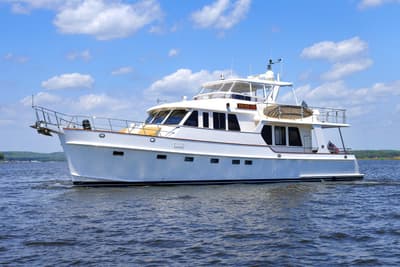
Grand Banks 59 Aleutian RP 2007
59 Aleutian RP | 3343 Hours
$159,900 cash down
Juno Beach, FL



Copyright © 2026 Boatzon™. All Rights Reserved