




Center Console Boat Financing
Complete Loan Options Guide for Smart Buyers

Center Console Boat Financing
Securing the right boat financing for a center console purchase can mean the difference between years of enjoyable ownership and financial strain. With boat loans now extending up to 20 years and rates varying by several percentage points between lenders, understanding your financing options becomes as important as choosing the right vessel. Whether purchasing new or used, the structure of your marine loan significantly impacts both monthly payments and total ownership costs.
Center console boats represent a substantial investment, with popular models ranging from $30,000 for entry-level options to over $500,000 for premium offshore vessels. The good news is that specialized marine lenders understand these boats' value proposition and offer tailored boat financing programs that make ownership accessible to qualified buyers. Understanding how to navigate these options, compare rates, and structure your loan optimally ensures you maximize buying power while maintaining comfortable payment levels.
Complete Loan Options Guide for Smart Buyers
Understanding Marine Loan Basics for Center Console Purchases
Boat loans differ from auto loans in several fundamental ways that benefit boat buyers. Loan terms can extend significantly longer, with 15-20 year financing available for newer, higher-value vessels. This extended timeline reduces monthly payments, though buyers should carefully consider the total interest paid over these longer periods.
Down payment requirements for boat loans typically range from 10-20% depending on credit profile and loan amount. First-time boat buyers might face higher down payment requirements, while established customers with strong marine lending history could qualify for minimal down options. Some lenders offer special programs during boat shows with reduced down payment requirements.
Interest rates for boat financing vary based on multiple factors including credit score, loan term, down payment, and whether the vessel is new or used. Current market rates for well-qualified buyers range from 4.99% to 7.99% for new boats, with used boat rates typically running 1-2 percentage points higher. Shopping multiple lenders often reveals rate variations of 1% or more for identical loan scenarios.
The loan-to-value ratio affects both approval likelihood and interest rates. Most marine lenders finance 80-90% of purchase price for new boats, while used boats might be limited to 75-85% depending on age and condition. Understanding these ratios helps buyers plan appropriate down payments and avoid financing delays.
Credit Score Requirements and Rate Tiers
Credit scores significantly impact boat loan approval and pricing, with most marine lenders establishing clear tiers that determine rates and terms. Scores above 750 typically qualify for best-rate programs, while scores between 650-750 still access competitive financing with slightly higher rates.
Buyers with credit scores between 600-650 can often obtain boat financing, though options become more limited and expensive. Specialized subprime marine lenders serve this market, though interest rates might reach 10-15% and require larger down payments. These buyers benefit most from pre-qualification to understand their options before shopping.
Credit history depth matters alongside scores. Marine lenders prefer seeing previous installment loan history, particularly boat or RV loans that demonstrate ability to manage recreational asset financing. First-time buyers without this history might face additional documentation requirements or slightly higher rates despite strong credit scores.
Joint applications often strengthen loan packages, particularly when combining incomes to improve debt-to-income ratios. Marine lenders typically use the lower credit score for pricing but consider combined income for qualification. This strategy helps younger buyers or those rebuilding credit access better loan terms.
New vs Used Center Console Financing Differences
Financing new center console boats offers several advantages including lower interest rates, longer terms, and higher loan-to-value ratios. Manufacturer financing programs occasionally provide promotional rates below market, particularly during model year closeouts or boat shows. These incentives can save thousands over the loan term.
Used center console financing typically carries restrictions based on boat age. Most lenders finance boats up to 20 years old, though terms shorten and rates increase for older vessels. A 5-year-old boat might qualify for 15-year terms, while a 15-year-old boat might be limited to 7-10 year financing.
Documentation requirements differ between new and used purchases. New boats require only manufacturer's statement of origin and invoice, while used boats need surveys, sea trials, and detailed mechanical inspections. These additional requirements can add $1,000-2,000 to closing costs but protect both buyer and lender.
Private party used boat purchases complicate financing as many lenders require dealer involvement or limit loan amounts. Buyers pursuing private sales should confirm lender policies early, as some require the seller to pay off existing loans before closing while others accommodate simultaneous transactions.
Marine Lender Types and Selection Strategies
National marine lenders like SunTrust (now Truist), Wells Fargo, and Bank of America offer standardized programs with competitive rates for well-qualified buyers. These lenders provide streamlined online applications and fast approvals but might lack flexibility for unique situations.
Regional banks and credit unions often provide more personalized service and competitive rates for local buyers. Credit union membership can unlock rates 0.5-1% below market, though loan amounts might be capped lower than specialized marine lenders. These institutions excel at relationship-based lending for repeat customers.
Specialized marine finance companies like MarineMax Finance, Trident Funding, and Essex Credit focus exclusively on boat loans. Their expertise in marine lending enables creative structuring for complex purchases, though rates might run slightly higher than banks for standard transactions.
Dealer-arranged financing streamlines the purchase process but requires careful comparison shopping. While convenient, dealer rates often include markup that benefits the dealership. Securing independent financing pre-approval provides negotiating leverage and ensures competitive rates.
Boat Loan Calculator Strategies for Payment Planning
Using a boat loan calculator helps buyers understand how loan variables affect monthly payments and total interest costs. Adjusting term length by just a few years can dramatically impact both payment amounts and total interest paid over the loan lifetime.
Down payment variations significantly affect loan economics. Increasing down payment from 10% to 20% not only reduces monthly payments but might unlock better interest rates by improving loan-to-value ratios. Calculate multiple scenarios to find the optimal balance between initial investment and ongoing payments.
Consider seasonal payment structures that some marine lenders offer. These programs feature lower payments during winter months and higher payments during peak boating season, aligning cash flow with usage patterns. While not reducing total cost, these structures improve payment manageability for some buyers.
Factor in total ownership costs beyond loan payments when using calculators. Insurance, storage, maintenance, and fuel can add 20-30% to monthly loan payments. Realistic budgeting prevents financial stress and ensures sustainable boat ownership.
Pre-Qualification Benefits and Process
Pre-qualification for center console boat loans provides crucial advantages when shopping. Knowing your approved amount, rate, and terms enables confident negotiation and prevents disappointment from falling in love with unaffordable boats.
The pre-qualification process typically requires basic financial information including income, employment history, and existing debts. Most lenders perform soft credit pulls that don't impact credit scores, though some might require hard inquiries for formal pre-approval letters.
Pre-qualified buyers often receive better prices from sellers who recognize serious, capable purchasers. This advantage proves particularly valuable in competitive markets where desirable boats sell quickly. Sellers prefer working with pre-qualified buyers to avoid failed transactions.
Multiple pre-qualifications help compare lender offerings, though buyers should complete these within a short timeframe to minimize credit score impact. Federal credit scoring models typically treat multiple marine loan inquiries within 14-45 days as single events for scoring purposes.
Loan Structure Optimization Techniques
Choosing between simple interest and pre-computed interest loans affects total cost and payment flexibility. Simple interest loans, standard in marine financing, calculate interest on outstanding principal, rewarding early payment. Pre-computed loans front-load interest, eliminating early payment benefits.
Consider shorter terms if cash flow allows higher payments. While 20-year terms minimize payments, the total interest paid can exceed the boat's purchase price. A 10-year term might increase payments 40% but reduce total interest by 60%, saving tens of thousands on expensive center consoles.
Balloon payment structures reduce monthly payments by deferring a portion of principal to loan maturity. While enabling purchases of more expensive boats, these structures require refinancing or large final payments. Only consider balloons with clear exit strategies.
Adjustable rate marine loans start with lower rates that change periodically based on market indexes. While initial savings can be substantial, payment uncertainty makes these suitable only for buyers planning shorter ownership periods or expecting income increases.
The average boat loan rate currently lies between 7-10%, though borrowers with excellent credit can secure rates starting around 6.99% APR, making the difference between good and excellent credit worth thousands in interest savings over the loan term.
Insurance Requirements and Loan Protection
Marine lenders require comprehensive boat insurance with specific coverage levels protecting their collateral. Typical requirements include agreed-value hull coverage, $300,000-500,000 liability limits, and named lender as loss payee. Insurance costs should factor into affordability calculations.
Gap insurance protects borrowers when insurance settlements fall short of loan balances after total losses. This coverage proves valuable during early loan years when depreciation might exceed principal reduction. Costs typically run $200-400 annually or can be financed into the loan.
Some lenders offer payment protection insurance covering loan payments during unemployment, disability, or other qualifying events. While expensive, this coverage provides peace of mind for buyers with variable income or limited emergency funds.
Extended warranty requirements might accompany financing for used boats beyond manufacturer coverage. Lenders view warranties as protecting collateral value, though buyers should evaluate cost versus benefit carefully. Third-party warranties can add $2,000-5,000 to loan amounts.
Documentation and Closing Process

Marine loan documentation requirements vary by transaction type but generally include proof of income, employment verification, and identification. Self-employed buyers need two years of tax returns, while W-2 employees might only provide recent pay stubs.
Purchase agreements must detail all terms including price, included equipment, contingencies, and closing timeline. Lenders review these carefully to ensure terms align with their requirements. Sea trial and survey contingencies protect buyers while satisfying lender due diligence needs.
Coast Guard documentation or state registration affects closing procedures and costs. Documented vessels require additional paperwork and fees but facilitate financing for expensive boats. Lenders often prefer documentation for loans exceeding $100,000.
Closing costs for marine loans typically total 1-3% of loan amount, including origination fees, documentation charges, title work, and insurance. Some lenders offer no-fee loans with slightly higher rates, beneficial for buyers minimizing upfront costs.
Refinancing Opportunities and Strategies
Refinancing existing center console boat loans can reduce rates, adjust terms, or access equity for upgrades. Market rate decreases of 1% or more generally justify refinancing costs, particularly early in loan terms when interest comprises most payments.
Cash-out refinancing enables owners to access equity for improvements or debt consolidation. Lenders typically limit cash-out to maintaining 80% loan-to-value ratios. This strategy works well for funding major repowers or electronics upgrades that enhance boat value.
Term adjustment through refinancing helps owners facing payment challenges or wanting faster payoff. Extending terms reduces payments but increases total interest, while shortening terms accomplishes the opposite. Consider overall financial goals when restructuring.
Timing refinances strategically maximizes benefits. Many lenders waive prepayment penalties after 12-24 months, while boat values stabilize after initial depreciation. Monitor rate environments and personal credit improvement for optimal refinancing opportunities.
Common Financing Mistakes to Avoid
Focusing solely on monthly payments without considering total loan cost leads to poor financial decisions. Low payments achieved through extended terms might seem attractive but can result in paying double the boat's value in interest over time.
Financing accessories and upgrades separately from the hull purchase often results in higher overall rates. Including reasonable equipment in the initial loan secures better rates than credit cards or personal loans used for later additions.
Skipping surveys on used boats to save money creates massive risk. Surveys costing $500-1,500 can reveal issues worth tens of thousands, protecting both buyer and lender. Never waive survey contingencies regardless of seller pressure or boat appearance.
Accepting dealer financing without comparison shopping frequently costs thousands in excessive interest. Even if planning to use dealer financing for convenience, obtain independent quotes for negotiating leverage.
Frequently Asked Questions
What credit score do I need for center console boat financing?
-How much should I put down on a center console boat?
+Can I finance a 15-year-old used center console?
+What's the longest boat loan term available?
+Do marine lenders require boat surveys?
+Can I get boat financing with a recent bankruptcy?
+Maximizing Your Financing Package
The path to optimal center console boat financing starts with understanding your credit position and getting pre-qualified with multiple lenders. This knowledge empowers confident negotiation and ensures you secure the best available terms for your situation.
Smart buyers view boat financing as a tool enabling enjoyment of the boating lifestyle while preserving capital for other investments. Structure your loan to balance comfortable payments with reasonable total costs, considering your ownership timeline and financial goals.
Ready to explore financing options for your next center console? Browse available center console boats for sale and start your pre-qualification process today. With the right financing structure, your dream center console becomes an achievable reality.
About This Guide
This financing guide reflects marine lending conditions and rates as of November 2025. Interest rates, terms, and requirements vary by lender and market conditions. Always compare multiple offers and read all loan documents carefully before committing to financing.
Center Console Boats for Sale

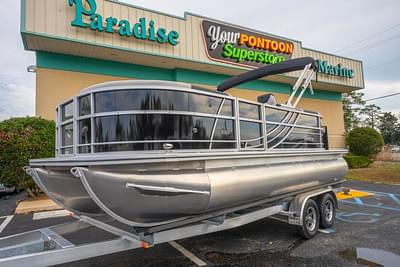
South Bay 220RS LE Rear Seating 275 2025
220RS LE Rear Seating 275 | N/A
$5,628 cash down
 Gulf Shores, AL
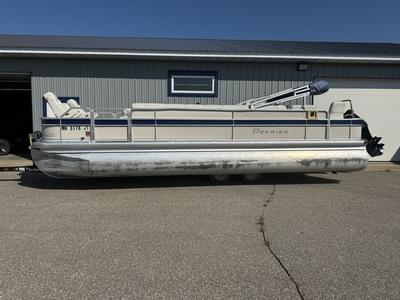

Monterey 278SS 2025
N/A
$13,999 cash down
Lancaster, KY

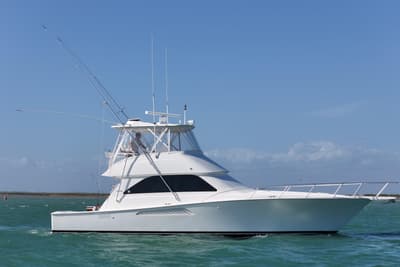
Viking Convertible 2008
Convertible | 3090 Hours
$69,900 cash down
Port Aransas, TX


Copyright © 2026 Boatzon™. All Rights Reserved