




Center Console Boat Features Guide
What to Look For

Center Console Boat Features Guide
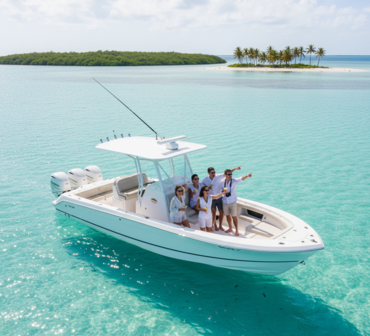
Shopping for a center console boat requires understanding which features truly matter for your boating style. Whether you're planning inshore fishing trips or offshore adventures, knowing the essential center console features will help you make a confident buying decision. This comprehensive center console buying guide breaks down what to look for in center console boats, from hull design to fishing amenities.
Hull Design and Construction
The foundation of any quality center console starts with its hull. What makes a good center console boat begins with how it's built and how it performs on the water.
Hull Material and Build Quality
Modern center consoles typically feature fiberglass construction, though materials and building techniques vary significantly between manufacturers. Look for hand-laid fiberglass with proper resin-to-glass ratios, as this creates a stronger, more durable hull. Many premium builders use vacuum-infused construction, which produces lighter hulls with better strength-to-weight ratios while maintaining structural integrity.
The stringer system provides critical structural support throughout the hull and deserves careful attention during your evaluation. Quality center consoles use fiberglass-encapsulated stringers rather than wood, preventing rot and maintaining structural integrity over decades of use. This construction method costs more initially but pays dividends in longevity and resale value.
Hull Shape and Performance
Center console specifications should include details about the hull's deadrise angle, measured at the transom. This measurement directly impacts how your boat handles different conditions. Deeper V-hulls with 20-24 degrees of deadrise deliver smoother rides in choppy conditions, making them ideal for offshore use where you'll encounter larger swells and confused seas. The sharper entry cuts through waves rather than pounding over them, keeping you and your crew more comfortable during long runs to distant fishing grounds.
Shallower deadrise angles of less than 20 degrees provide better stability at rest and allow access to skinny water, which makes them perfect for inshore fishing. These hulls float in less water and provide a more stable platform for sight fishing or working shorelines. However, they do sacrifice some rough-water capability, so consider where you'll spend most of your time on the water.
The entry angle at the bow works in conjunction with deadrise to determine overall ride quality. A sharp entry cuts through waves more efficiently, reducing pounding and keeping you drier in rough seas. Some manufacturers combine moderate deadrise with aggressive bow entries to balance rough-water performance with shallow-draft capability.
Console Design and Helm Features
The console itself serves as the boat's command center and should offer both functionality and protection for extended time on the water.
Console Size and Configuration
What to look for in center console design starts with adequate space for electronics while maintaining clear sightlines in all directions. You need room for multiple displays without creating blind spots that compromise safety. T-tops or hardtops provide essential sun and weather protection, particularly important for extended trips where exposure can lead to fatigue and decreased alertness. Some models offer forward-facing seating within the console, creating a comfortable social area that transforms the boat from purely fishing-focused to family-friendly.
Storage within the console represents valuable real estate that separates well-designed boats from mediocre ones. Look for dedicated rod storage that keeps expensive gear secure and protected, tackle compartments that organize your fishing essentials, and space for required safety equipment. Premium consoles often include head compartments, which dramatically improve comfort on longer runs and make the boat more appealing to family members who might otherwise resist spending entire days on the water.
Electronics Integration
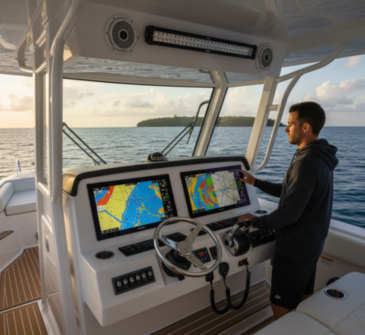
Modern center console fishing amenities include pre-wired electronics packages with flush-mounted displays that create clean, professional-looking helms. What features should a center console have for navigation? At minimum, you'll want space for a chartplotter/fishfinder combo unit that handles both navigation and fish-finding duties, a VHF radio for safety communications, and switches for controlling accessories like pumps and lights.
Many newer models feature integrated digital switching systems that allow you to control lights, pumps, and other accessories through touchscreen displays rather than arrays of traditional switches. These systems simplify operation and create cleaner helm layouts while providing diagnostic information about each circuit. Pre-run wiring harnesses simplify electronics upgrades and reduce installation costs, allowing you to add equipment as your budget allows without expensive rewiring projects.
Power and Fuel Systems
Engine choice and fuel capacity significantly impact your boating experience, operating range, and long-term costs.
Engine Configuration
Center consoles accommodate single, twin, or even triple outboard configurations, each offering distinct advantages. Single engines offer simplicity and lower operating costs through reduced fuel consumption and maintenance requirements, making them ideal for casual anglers or those operating primarily in protected waters. Multiple engines provide redundancy for offshore safety since mechanical issues with one engine still leave you with power to return home. Twin engines also offer better handling in following seas where steering becomes challenging, and they provide more overall power for larger, heavier boats.
What is most important in center console boat power depends entirely on your intended use and comfort level. For offshore applications venturing 30 miles or more from inlet, many boaters prefer twin engines for peace of mind even though they cost more to purchase, maintain, and operate. Coastal and bay boats often perform excellently with single power, especially given the fuel efficiency advantages that allow longer range from smaller tanks.
Fuel Capacity and Range
Fuel tank size for center console boats varies dramatically by model and intended use, ranging from 50 gallons on smaller bay boats to 400+ gallons on offshore machines designed for multi-day trips or distant fishing grounds. Calculate your typical run distances and match fuel capacity accordingly, always planning for your destination plus a 30% reserve for changing conditions, longer-than-expected searches for fish, or route changes.
Essential center console features for extended offshore trips include adequate fuel capacity for your destination with substantial reserves, fuel flow monitoring systems that track consumption in real-time and help you manage range, separate reserve tanks on some models that provide emergency fuel when main tanks run dry, and accessible fuel fills with spill-free collars that speed refueling while protecting the environment. Modern fuel management systems display range estimates based on current consumption, taking guesswork out of offshore trips.
Fishing Features and Amenities
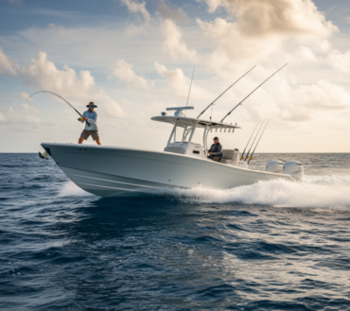
For anglers, fishing functionality often tops the priority list of center console must-haves, and these features separate fishing machines from general-purpose boats.
Deck Layout and Storage
Unobstructed deck space allows multiple anglers to fight fish simultaneously without tangling lines or interfering with each other's movements. Look for flush-mounted hatches that maintain clean deck surfaces when closed, eliminating trip hazards while providing access to storage below. Dedicated storage should accommodate rods, tackle, and catch without creating obstacles during the chaos of multiple hookups or when landing large fish.
Fishboxes require adequate insulation to maintain ice throughout long days and proper drainage to prevent water accumulation that dilutes ice and shortens holding time. Transom fishboxes work well for larger catches since they position weight at the stern where it helps maintain proper running trim, while in-deck boxes keep weight centered for better handling in rough conditions. Many serious fishing boats include both configurations along with dedicated livewell systems featuring robust circulation that keeps baitfish healthy even in warm weather.
Rod Storage and Rigging
The best center console features for serious anglers include multiple rod storage options that protect expensive tackle while keeping it accessible. Gunnel rod holders position rods at the perfect angle for trolling, allowing you to cover water while running between spots. Rocket launchers mounted on T-tops keep rods secure during travel, preventing damage from wave impacts while storing numerous outfits within easy reach. In-gunnel rod storage protects expensive tackle from sun exposure that weakens line and damages rod finishes, while keeping rods out of the way during other activities.
Raw water washdowns help clean the deck and gear after fishing, removing fish slime, bait residue, and salt that would otherwise create slippery surfaces and corrode equipment. Multiple strategically-placed outlets throughout the boat provide maximum utility, allowing you to rinse from bow to stern without dragging hoses across the deck.
Seating and Comfort
Long days on the water demand comfortable accommodations for captain and crew, as fatigue leads to poor decisions and diminished enjoyment.
Helm Seating
The captain's chair represents your command post for potentially hours of continuous operation and deserves careful evaluation. It should offer adjustable height to accommodate different operators and varying sea conditions, lumbar support that prevents back fatigue during extended runs, and bolstered sides for rough water that help you maintain position when waves throw the boat around. Flip-up bolsters allow you to lean while standing, reducing leg fatigue during extended runs while maintaining good visibility over the bow. Some high-end models feature suspension seats that actively absorb wave impacts, dramatically reducing the physical punishment of offshore running in rough conditions.
Passenger Seating
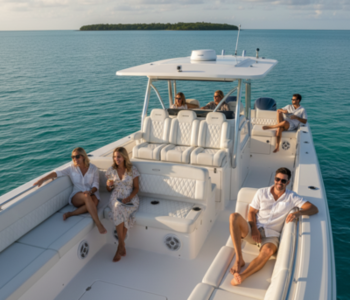
Best features for offshore center console boats include adequate seating for your typical crew size, as uncomfortable passengers make for short trips and reluctant future crew members. Forward seating often integrates cleverly with bow coolers or storage compartments, providing comfortable positions for passengers while maximizing use of available space. Aft jump seats or fold-down transom seating maximize capacity for social outings without cluttering valuable deck space when serious fishing time arrives.
Look for cushions constructed with marine-grade vinyl that resists sun, salt, and mildew far better than automotive-grade materials that quickly deteriorate in the harsh marine environment. Drainage holes in seating bases prevent water accumulation that leaves passengers sitting in puddles, and UV-resistant thread prevents premature deterioration of seams that would otherwise fail after a few seasons of sun exposure.
Safety and Convenience Features
What to check when buying center console boats extends well beyond fishing features to essential safety equipment that could save lives during emergencies.
Lighting Systems
Navigation lights meeting USCG requirements are mandatory for legal operation, but additional lighting enhances both safety and functionality in ways that justify the added cost. LED spreader lights illuminate the deck for night fishing or late returns to the dock, preventing injuries from trips and falls in darkness. Underwater lights attract bait fish and add visibility for swimmers, while creating an attractive aesthetic for evening entertainment. Courtesy lighting throughout the boat helps passengers move safely after dark without destroying night vision needed for navigation.
Pumping Systems
Multiple bilge pumps with automatic float switches provide redundancy if you take on water from rough seas, leaking fittings, or other sources. The main pump handles normal accumulation while backup pumps provide emergency capacity during serious situations. Livewell and washdown pumps should offer adequate flow rates for their intended purposes, with higher capacities performing better in all conditions. High-capacity pumps for livewells exceeding 500 gallons per hour maintain healthier baitfish by ensuring adequate oxygen levels and temperature control even during hot weather.
Boarding and Access
Transom doors or gates simplify boarding from docks or retrieving swimmers without dangerous gymnastics over gunnels. Integrated swim ladders deploy easily when needed and stow securely during operation, preventing drag and potential damage. For serious offshore anglers targeting large pelagics, transom doors that open wide facilitate landing tuna, wahoo, and other substantial fish that would be difficult to maneuver over high gunnels.
Non-skid surfaces throughout the boat prevent dangerous slips on wet decks, particularly important when landing fish or moving around in rough conditions. Molded-in texture patterns often outlast adhesive non-skid products that peel and degrade over time, maintaining their effectiveness for the life of the boat.
Electronics and Technology
Modern center console specifications often emphasize advanced technology integration that enhances both safety and fishing success.
Display Integration
Glass helm designs with multiple large-format displays provide comprehensive information at a glance, eliminating the need to scroll through menus during critical moments. Integration between systems allows your chartplotter to interface seamlessly with radar, autopilot, and engine monitors, sharing information that provides better situational awareness than standalone systems ever could.
Touchscreen displays work well in calm conditions for detailed menu navigation and chart work, but physical buttons and knobs remain easier to operate in rough seas when boat motion makes precise touch inputs challenging. Many experienced boaters prefer hybrid systems offering both control methods, using touchscreens for detailed work at the dock and physical controls when conditions deteriorate offshore.
Communication and Connectivity
VHF radio remains essential for marine communication and safety, providing reliable contact with other vessels, marinas, and emergency services when cellular service fails offshore. AIS (Automatic Identification System) adds another layer of safety by displaying nearby vessel traffic directly on your chartplotter, showing not just position but also course, speed, and closest point of approach for commercial traffic that might not see small recreational vessels.
Many newer models include stereo systems with Bluetooth connectivity that allow passengers to stream music from phones, multiple zone controls that let you adjust volume in different areas independently, and weatherproof speakers throughout the boat that survive the marine environment. While not essential for fishing, quality audio systems make social outings more enjoyable and increase the boat's versatility.
Storage Solutions
Adequate storage keeps gear organized and the deck clear for fishing or cruising, transforming chaos into efficiency.
Dry Storage
Center console fishing amenities should include weathertight storage for electronics, documents, and items requiring complete protection from moisture. Console storage often provides the most protected space aboard, ideal for items like handheld GPS units, first aid supplies, and boat documentation that must stay dry.
Anchor lockers need sufficient volume for your complete ground tackle system including anchor, chain, and adequate rode for your typical anchoring depths, plus adequate ventilation and drainage. Self-bailing designs prevent water accumulation that adds unnecessary weight forward and creates maintenance issues from standing water that promotes corrosion.
Cooler and Live Storage
Insulated coolers maintain ice for extended trips, keeping food fresh and drinks cold even during long days under brutal sun. Some integrate cleverly into seating areas, serving double duty as both storage and seating surfaces that maximize limited space. Sizes range from 30-quart day coolers suitable for afternoon trips to 200+ quart offshore models that hold provisions and catch from multi-day adventures.
Livewells require adequate volume for your target species, with 20-30 gallons minimum for inshore applications keeping shrimp or finger mullet and 50+ gallons for offshore bait tanks housing larger baits like blue runners or goggle eyes. Circulation systems should provide adequate flow without creating currents so strong they injure delicate baits, with the ability to adjust flow rates for different bait types and water temperatures.
Offshore-Specific Features
What features should a center console have for serious offshore work goes beyond basic fishing capabilities to address the unique demands of bluewater operation.
T-Top and Hardtop Options
Sun protection becomes critical on extended offshore runs where hours of exposure can lead to dangerous burns and heat exhaustion that impair judgment. Aluminum T-tops offer lightweight shade that improves comfort without significantly impacting performance or fuel economy, while fiberglass hardtops provide superior weather protection from rain and spray that allows fishing in conditions that would otherwise send you running for port. Some hardtops include forward-opening sections for ventilation during slow trolling or stationary fishing, plus electronics boxes that protect expensive gear from the elements.
Hardtops support additional features like rocket launchers for rod storage, electronics boxes for radar and backup displays, spreader lights that illuminate the entire deck, and outriggers that extend your trolling spread. Modern hardtops use powder-coated aluminum that resists corrosion far better than painted steel alternatives that eventually rust despite best maintenance efforts.
Tackle and Equipment Storage
Offshore center console equipment requires dedicated, organized storage for safety gear including life jackets, flares, and EPIRB units that could save lives during emergencies, fishing tackle and rigging supplies for addressing any situation that arises, anchor and complete ground tackle for emergency anchoring, dock lines and fenders for marina stops, and tools plus spare parts for addressing mechanical issues that could otherwise end trips prematurely.
The best features for offshore center console boats include organization systems that keep equipment accessible but secured during rough passages when loose items become dangerous projectiles. Dedicated compartments for specific equipment types help you find what you need quickly during emergencies when every second counts.
Selecting the Right Features for Your Needs
What you need to look for in center console boats ultimately depends on your specific boating style, priorities, and the waters you'll navigate most frequently.
Inshore and Bay Boats
Shallow-water operation prioritizes different features than offshore work. Moderate deadrise angles provide stability at rest for sight fishing and comfortable running in protected waters. Adequate deck space allows sight casting without obstructions blocking your vision or backcast. Poling platform options extend your sight fishing capabilities in ultra-shallow water. Shallow-draft hull design allows access to backcountry areas larger boats cannot reach. Protected electronics and storage prevent damage from rain and spray while maintaining accessibility.
Offshore and Bluewater Boats
Deep-water capability demands more robust features. Deep-V hulls with 20-24 degrees of deadrise handle rough water safely and comfortably during long runs to distant grounds. Substantial fuel capacity provides range for extended trips with adequate reserves for emergencies. Multiple high-capacity livewells keep various bait types healthy throughout long days. Robust rigging and rod storage protect expensive tackle during punishing offshore conditions. Advanced navigation electronics provide redundant systems for safe return in any conditions. Comprehensive weather protection allows operation in marginal conditions while maintaining crew comfort and safety.
Frequently Asked Questions
What is the most important feature in a center console boat?
-What size center console is best for offshore fishing?
+How much fuel capacity do I need in a center console?
+Are T-tops necessary on center console boats?
+What's better for center consoles: single or twin engines?
+Do I need a livewell in my center console?
+How important is deadrise angle in center console boats?
+What electronics should I prioritize on a center console?
+Making Your Decision
Understanding essential center console features helps you identify boats that match your requirements and budget, transforming what seems like an overwhelming decision into a logical process of matching features to your needs.
When evaluating specific models, consider not just whether features are present but how well they're executed and integrated into the overall design. A boat with thoughtfully designed systems that work together seamlessly will provide far better long-term satisfaction than one offering every available feature poorly executed or awkwardly positioned. Pay attention to details like hatch fit and finish, quality of hardware and components, and whether storage spaces actually accommodate equipment as designed rather than just existing on paper.
Visit a center console dealer to compare models hands-on, as what looks impressive in photos or specifications might not feel right when you're actually aboard. Sit in the helm seat and verify you can reach all controls comfortably. Check sightlines to ensure you can see around the console in all directions. Open every hatch and storage compartment to evaluate whether advertised capacities work for your gear. If possible, arrange sea trials to experience how boats handle in real conditions, as on-water performance often differs dramatically from dock-side impressions.
Take your time with this decision, ask detailed questions about anything you don't understand, and choose the boat that best fits your boating lifestyle and budget rather than stretching for features you don't actually need. The right center console boat combines the features you'll actually use with quality construction and thoughtful design that makes every trip more enjoyable. By understanding what to look for in center console boats, you'll make an informed decision that provides years of reliable service and memorable days on the water.
About This Guide
This center console features guide reflects current boat design and equipment standards as of October 2025. Boat features, specifications, and available options vary significantly between manufacturers and model years. Always inspect boats in person and conduct thorough sea trials before purchasing. Consult with experienced dealers and marine professionals for specific recommendations based on your intended use and local boating conditions.
Center Console Boats for Sale


Sea Ray 210 Select 2010
210 Select | 712 Hours
$1,990 cash down
 Seattle, WA
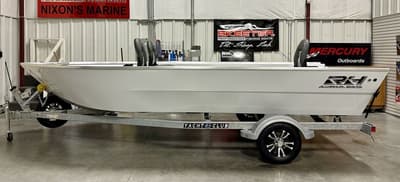
River Hawk Pro V 18 2026
Pro V 18 | N/A
$2,600 cash down
Pasco, WA
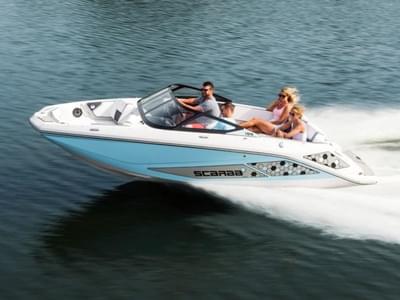
Scarab 195 ID 2020
195 ID | N/A
$3,900 cash down
Prosser, WA



Copyright © 2026 Boatzon™. All Rights Reserved